

In the ever-changing world of architecture and interior design, surface treatments have become more than just functional finishes. The use of walls, ceilings, and façades is now perceived as the creative power of the space to determine spatial identity, impact the user experience, and even help the environment in various ways. Allusion Panels have surfaced as a unique way of combining the many features of the modern surface, such as their stunning visual appeal, structural soundness, and environmental sustainability, making them a versatile choice for both interior and exterior applications.
Understanding Allusion Panels
Allusion panels are decorative architectural panels designed to visually convey the depth, rhythm, and interest of the interior or exterior surfaces. These panels differ from regular claddings or traditional panels in that allusion panels employ themes, textures, and reliefs for suggesting a story or making a visual reference - be it the depiction of the ocean, repetitive geometrics, natural flows, or abstract motifs.
The word ‘allusion’ here indicates that these panels evoke an emotion or a conceptual idea rather than presenting a direct image. To illustrate, a panel may allude to a natural material like stone through its texture, mimic fabric through soft waves, or represent digital design by means of parametric geometry. This attribute makes them very versatile palette cross design styles, ranging from minimal and contemporary to loud and avant-garde.
Materials Used in Allusion Panels
One major advantage of allusion panels is that they can be made from a variety of different materials.
1. Wood and Engineered Wood
Wood-derived allusion panels such as MDF, plywood, and wood-based composites are popular choices for interior designs. They bring warmth, a natural look, and good machinability which allows for very detailed patterns and raised designs. Moreover, the visual appeal of wood-veneered or laminated panels can be further improved while their lifespan extended by the protective layer applied.
2. Metal
Mostly aluminium, steel, and occasionally brass or copper are used to make allusion panels either for interiors or façades. Metal surfaces have a slick, modern appearance and are highly praised for their robustness, resistance to fire, and durability. Among the different kinds of metal panels, those with perforations or laser-cut designs are gaining popularity due to the easy and effective realization of the dramatic interplay of light and shadow.
3. Gypsum and Cementitious Panels
Gypsum-based allusion panels are typical of ceilings and feature walls in interior designs of commercial buildings. The likes of cement fiber and GRC (Glass Reinforced Concrete) panels are chosen for outdoor areas as they provide not only protection from the elements but also allow for the addition of artistic features.
4. Polymer and Composite Materials
The use of PVC, HDPE, and other composite materials in the manufacture of allusion panels enables the production of lightweight, water-resistant panels suitable for high-humidity areas. Additionally, these materials are perfect for intricate shapes and the repetition of modular designs usually done through molding or CNC processes.
5. Sustainable and Recycled Materials
Designing in a sustainable way is what mainly influences the design decisions and the producers are therefore answering with a range of illusion panels that are manufactured from recycled wood fibers, reclaimed plastics, or carbon-neutral composites. These alternatives are in line with the requirements of green-building standards and they also look great.
Design Characteristics and Visual Impact
The significantly three-dimensional or textured pattern of the allusion panels, which creates visual depth and the interaction with light, is the main feature that these panels have. When sunlight or artificial light is directed to the panels, it is thought that the shadows move, thus increasing the feeling of the space and giving an appearance of movement. Other functional benefits include:
- Repeated geometric patterns
- Nature-inspired forms of organic
- Parametric or algorithmic designs
- Linear or wave-like reliefs
- Abstract motifs that suit contemporary interiors
Allusion panels can either be used as the main focus of the space or as a subtle background texture depending on the size, color, and location.
Acoustic and Functional Benefits
In addition to their aesthetic appeal, allusion panels provide substantial functional benefits, especially in terms of acoustic management. The application of textured panels with absorptive materials makes the sound treatment complete, as it reduces the echo and improves the sound quality in a variety of places such as offices, auditoriums, restaurants, and homes.
Some of the other functional benefits are:
- The concealment of wiring or ducting
- The protection of the wall surface against wear and tear
- Better thermal comfort if used together with insulation layers
- Fire-rating options for improved safety regulation compliance
Such characteristics turn allusion panels into a smart, not only decorative, solution.
Applications Across Sectors
1. Residential Spaces
In homes, allusion panels are popular choices for feature walls in living rooms, bedrooms, and dining areas. They have been rung in place of traditional wall finishes such as wallpaper or paint thus providing a more tactile and long-lasting solution. Softly detailed ceiling panels are also becoming fashionable as they can add charm without making the ceiling look significantly lower.
2. Commercial and Office Interiors
In corporate settings, reception areas, conference rooms, and breakout spaces are visually emphasized through the use of allusion panels. Alongside contributing to brand identity, the panels also help create the desired acoustic comfort when equipped with sound-absorbing backing. Being modular, they can also be easily incorporated into dynamically changing office layouts.
3. Hospitality and Retail
Hotels, restaurants, and retail spaces are mostly relying on the concept of the visual appeal to make unique experiences for their customers. The different uses of allusion panels in such places consist of decorating lobbies, accenting dining areas, and elevating store interiors. Moreover, their power to construct deep environments is what makes them extremely valuable in the two fields of luxury and experiential design.
4. Institutional and Public Buildings
Airports, museums, auditoriums, and educational institutions invest in allusion panels both for their looks and functionality. Sound absorption, ease of maintenance, and sturdiness are a few good reasons why they are chosen for places with heavy footfall.
Installation and Customisation
Generally, allusion panels are created for module installation, which allows a quicker performance and an easy change. Depending on the material and the use, one can install them through mechanical fasteners, adhesives, or hidden mounting systems.
Major customisation is one of the benefits. Designers can specify:
- Size and thickness of the panel
- The depth and the repetition of the pattern
- Colour, finish, and texture
- The integration of lighting or acoustics
Highly precise and repeatable even complex designs can be made by advanced methods like CNC routing, laser-cutting, and 3D moulding.
Allusion Panels in India
Possibly, one of the major reasons aluminum-based surface systems have become the favored choice in modern architectural design is because they are durable, light in weight and versatile in nature. Two products, which represent two different product categories available in the Indian market, namely ALUSION™ stabilized aluminum foam panels and ALLUSION design panels, have been mentioned to cater to different aesthetic and architectural needs of a project.
ALUSION™ Stabilized Aluminum Foam Panels
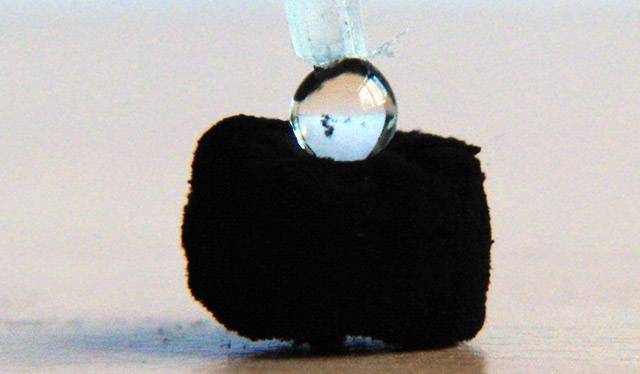
Basically, ALUSION™ panels are considered worldwide to be the most innovative in their category of metal cellular structures. These panels are the product of the manufacture Cymat Technologies, which is an advanced material company located in Canada. The company has earned its reputation by providing the most dominant cellular metal structure for the visually most attractive and the most functionally optimal combination aspect.
Aarka Technology is the only Pan-India reseller of ALUSION™ panels. The product is essentially utilized and specified for the architectural design of building facades, feature walls, ceilings, screens, and the like with sculptures. Besides this, ALUSION™ panels also represent very light, very silencing, very vibration damping, very fire resistant, and very sustainable construction as they are made from recycled aluminum and are recyclable under normal conditions.
ALLUSION Series by Europratik Intex
The ALLUSION series by Europratik Intex consists of parametric and geometric modular design patterns with the use of architectural panels of pure aluminum only. These metal-faced surfaces were made in India and they are the precision-edge that is needed by design projects or architecture for that kind of final treatment.
The ALLUSION Series offers the best solutions for internal and external wall cladding, building facades, feature screens, and architectural trims. These panels, especially characterised by their innovative parametric aethestetcs, provide architects with the possibility of designing custom patterns, obtain controlled transparency, and creating a wide variety of light-and-shadow effects, thus, they are used in commercial, residential, and institutional architectural projects.
Sustainability and Green Building Integration
With the move of the construction industry towards environmentally friendly practices, allusion panels are getting more and more in line with green building certifications like IGBC, LEED, and GRIHA. By the panel:
-The first sustainable step of the panels is the use of the recycled or rapidly renewable materials
-The second step is the low-VOC finishes and adhesives
-The durability and long lifecycle, thus, less replacement needs
-The compatibility with energy-efficient building envelopes
Maintenance and Longevity
The maintenance of different materials varies; for allusion panels, it is generally low. The majority of allusion panels are maintained by a periodic dusting or wiping with mild cleaning agents. Materials used for the outer side of panels are weathering, UV exposure, and pollution resistant; these guarantee the product will serve for the long term. Due to the fact that these panels are very resilient, they become a good and safe plan for the following periods of time especially if we compare them to those finishing which need frequent repainting or replacement.
The Future of Allusion Panels
The next step for allusion panels is basically at the meeting point of tech, environment-friendly principles, and experiential design. The use of parametric modelling, AI-driven design tools, and digital fabrication are allowing the creation of more and more complex patterns which can be customized according to space and performance requirements. We are witnessing the birth of smart panels that have the potential of integrated lighting, sensors, or even adaptive acoustic properties thus, they can be a great help to architects as they become active architectural elements.
Conclusion
The advent of allusion panels in the field of surface design of structures can be considered as the major paradigm shift. One of the benefits that arise from the combination of visual depth, material innovation, and functional performance is that the architect and designer receive the powerful tool to shape the contemporary space. No matter if it is a subtle texture or a bold visual statement effected by allusion panels- the primary concern that they have to meet is that they are adaptable, sustainable, and experiential quality demanded by the present times. As the society, through architecture, keeps on emphasizing its need for identity, comfort, and environmental responsibility, the allusion panels will be the one that the designers will keep on using to define their concept of the future- form, function, and the next built environments are their silent features.
Images- avantall.com, alusion.com




.png)