Delhi-NCR’s real estate story is entering a distinctly new chapter. For years, the region’s growth map was largely defined by housing demand and established commercial centres. Today, a more complex set of forces is at work. Airports, expressways, emerging business districts and Global Capability Centres (GCCs) are collectively redrawing the geography of opportunity across the National Capital Region.
The change is particularly visible along corridors such as the Dwarka Expressway, Noida - Greater Noida Expressway and Yamuna Expressway. What were once primarily viewed as infrastructure links are increasingly evolving into self-sustaining economic ecosystems, where residential development is being accompanied by offices, retail, hospitality and social infrastructure.
At the core of this transformation is connectivity. The Noida International Airport at Jewar is expected to add another significant aviation and economic node to the NCR, while the Dwarka Expressway is strengthening the connection between Delhi and Gurugram’s established employment centres. Together with the existing expressway network, these infrastructure investments are expanding the region’s development footprint.

Harpreet Singh Hora, Director, Reach Group, says, “The Dwarka Expressway is no longer simply a connectivity corridor; it is evolving into a mature micro-market with its own residential, commercial and social ecosystem. Improved access to Delhi, the airport and established Gurugram business districts is attracting a more discerning end-user profile. What makes the corridor particularly significant is that infrastructure is influencing not only capital values, but also the quality, scale and diversity of development taking shape across the Dwarka Expressway micro-market.”
A similar transformation is underway along the Noida–Greater Noida Expressway, where a deepening employment base of GCCs, MNC campuses and knowledge-sector businesses is bringing a growing pool of skilled professionals to the corridor. As this ecosystem expands, demand is moving beyond housing, creating greater scope for organised retail, hospitality and commercial destinations that can cater to an increasingly affluent and consumption-driven workforce.
At the same time, the Yamuna Expressway is emerging as another important development axis. The airport at Jewar is adding a new layer of economic activity to an already well-connected corridor, while strengthening its appeal for commercial, retail and mixed-use development.

Azad Ahmed Lone, President, Biigtech, says, "The Noida-Greater Noida Expressway and Yamuna Expressway are moving from being primarily transit corridors to becoming destinations in their own right. The airport is creating a wider economic catchment, while rising residential density strengthens the case for organised commercial and retail development. The next phase will be about creating complete destinations where people can work, shop, dine and access everyday services within an integrated ecosystem.”
Moreover, Noida - Greater Noida, in particular, is becoming an increasingly important destination for technology, corporate and global businesses. This is significant because GCC expansion does more than absorb office space; it creates a wider economic multiplier, supporting retail, hospitality, residential and ancillary services.
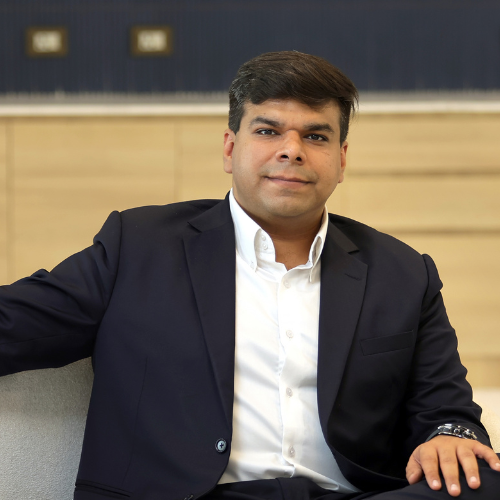
Sanchit Bhutani, Managing Director, Group 108, says, “The growing presence of GCCs and global businesses is strengthening demand for quality office and commercial spaces across Noida–Greater Noida. Today, companies are looking beyond the office space itself when choosing a location for the long term. The quality of infrastructure, surrounding development, access to essential services and the availability of well-planned Grade A offices are all important considerations. As more businesses expand their presence in the corridor, the availability of quality commercial spaces will become increasingly important in meeting this demand.”
As these corridors mature, the nature of real estate demand is also becoming more nuanced. Infrastructure is no longer working in isolation; it is being reinforced by employment generation, commercial activity and the emergence of integrated urban ecosystems.

Karan Malik, Regional Director, Realistic Realtors, says, “The defining change across NCR is the convergence of connectivity, employment and consumption. Expressways and airport infrastructure are opening up new development corridors, while GCCs and expanding commercial activity are giving these locations a stronger economic foundation. As these ecosystems mature, the opportunity is increasingly about creating well-integrated destinations that bring together residential, commercial, retail and social infrastructure rather than viewing each asset category in isolation.”
Further, as infrastructure shortens distances, GCCs deepen employment catchments and commercial development follows population and purchasing power, NCR’s real estate map is becoming increasingly interconnected. The next phase of growth will be defined not simply by where people live but by where they work, how they travel and where they spend their time. Airports, expressways and GCCs are not merely supporting NCR’s real estate growth but they are becoming the architecture around which its next generation of urban development is being built.