

The long-awaited Delhi–Dehradun Expressway has officially been inaugurated by Prime Minister Narendra Modi, marking a major milestone in India’s highway infrastructure expansion. Built at an estimated cost of around ₹12,000 crore, the 213-km expressway is expected to dramatically reduce travel time between the national capital and Uttarakhand’s capital city, reshaping both tourism and regional mobility.
Major Reduction in Travel Time
One of the most significant outcomes of the new expressway is the drastic cut in travel duration. The journey between Delhi and Dehradun, which earlier took about 5.5 to 6 hours by road, is now expected to take only around 2.5 hours under normal conditions. Similarly, travel between Delhi and Haridwar is expected to drop to nearly 2 hours, significantly improving access to religious and tourist destinations in Uttarakhand.
The expressway is designed for high-speed vehicular movement with a speed limit of up to 100 kmph, ensuring smoother and faster travel compared to existing highways.
Route and Connectivity Impact
The expressway begins near Akshardham Temple and stretches all the way to Dehradun, passing through key regions of western Uttar Pradesh, including Baghpat, Baraut, Muzaffarnagar, Shamli, and Saharanpur.
It also includes a strategic spur toward Haridwar and integrates with the Char Dham highway network, strengthening connectivity to major pilgrimage destinations such as Kedarnath, Badrinath, Gangotri, and Yamunotri.
This integration is expected to boost tourism, reduce congestion on older highways, and improve freight movement between Delhi-NCR and Uttarakhand.
Comparison with Rail and Air Travel
Despite the expressway’s speed improvements, rail and air travel remain important alternatives.
The fastest train service on this route is the Anand Vihar–Dehradun Vande Bharat Express, operated via Indian Railway Catering and Tourism Corporation booking services. It takes approximately 4 hours 45 minutes to cover the route.
Other trains such as the Shatabdi Express take around 6 hours, while the Jan Shatabdi completes the journey in roughly 5 hours 45 minutes.
By comparison:
- Expressway: ~2.5 hours
- Fastest train: ~4.5 hours
- Flight time: ~1 hour 10 minutes (excluding airport transfers and security time)
Air travel remains the fastest in terms of flight duration, but road connectivity via the expressway significantly reduces the gap, especially for travellers preferring direct city-to-city transport.
Cost Comparison and Travel Choices
Cost remains a major factor influencing travel decisions. Cab fares between Delhi and Dehradun typically range from ₹2,700 to ₹7,400 depending on vehicle type. Train fares on the Vande Bharat Express vary from approximately ₹1,075 for AC Chair Car to around ₹1,900 for Executive Class.
Flights are generally more expensive, with ticket prices often starting above ₹4,000 depending on demand and booking time.
For solo travellers, trains remain the most economical option, while groups of three or four may find road travel more cost-effective.
Industry Expert Opinions

Mr. Anupam Rastogi - Co-founder & CBO, Square Yards
“The Delhi-Dehradun Expressway will be instrumental in real estate transformation. The travel time is expected to be reduced by nearly 50%. Dehradun will witness a surge in second-home demand, plotted developments, and villa communities. On the other hand, micro-markets across NCR and western Uttar Pradesh will see rising interest from both end-users and investors, with property prices expected to appreciate by 15 to 25% in key stretches. This corridor will effectively expand the NCR influence zone deeper into Uttarakhand”.

Mr. Dikshu C. Kukreja, Managing Principal, CP Kukreja Architects
“The Delhi-Dehradun Expressway is more than a mobility upgrade; it will begin to reshape how we perceive distance between the NCR and the Himalayan foothills. As travel times reduce, we will see a measured appreciation in land values across East and North-East NCR, with growing interest in plotted developments, logistics, and second homes. At the same time, such transitions call for a more informed and balanced approach. These are ecologically sensitive landscapes, and when development moves ahead without aligning with natural systems, it can strain water resources, alter drainage patterns, and gradually erode the very character that draws people to these regions. Yet, if guided with foresight, this corridor can set a different precedent—where growth is integrated with ecological understanding, supports local economies, and enhances the landscape rather than diminishing it.”

Mr. Vimal Nadar, National Director & Head, Research, Colliers India
“The Delhi-Saharanpur-Dehradun Expressway is likely to transform regional connectivity and stimulate real estate activity along the corridor, particularly industrial & warehousing demand in key micro markets of Delhi NCR. The expressway connects prominent industrial & warehousing markets of Delhi NCR such as Ghaziabad, Noida, Greater Noida and Meerut to other key industrial hubs & cities such as Muzaffarnagar, Saharanpur and Dehradun.
With improvements in connectivity driven by the expressway, we anticipate 1-2 million sq.ft. of Grade A supply infusion in these Delhi NCR micro markets over the course of next few years. On a similar note, the expressway will lead to demand traction and annual leasing can potentially touch 1-1.5 million sq.ft. Additionally, connectivity enhancement is likely to support the hospitality & second homes market in and around Haridwar, Rishikesh & Dehradun.”

Mr. Ashish Agarwal, Director, AU Real Estate
“The Delhi–Dehradun Expressway is set to redraw the real estate map in the Delhi-NCR region and in the emerging corridors around the project. Parts of Ghaziabad, which fall on the route are set to witness better connectivity. By reducing travel time and making well-planned communities more accessible for homebuyers and investors the expressway will enhance their appeal. At AU Real Estate we see the project as an opportunity to create thoughtfully designed spaces that align with evolving aspirations. Infrastructure of this scale brings long-term confidence to the market and contributes meaningfully to sustainable urban growth.” -
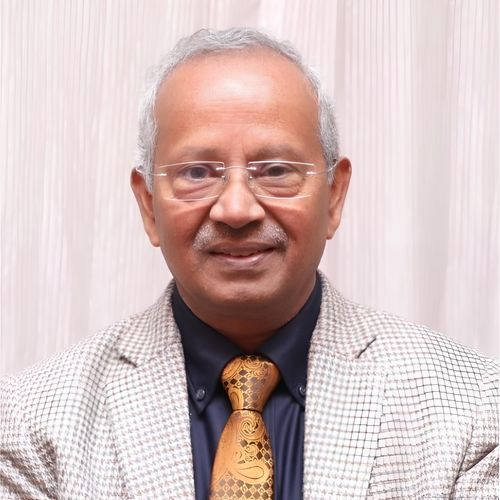
Mr. Nagendra Nath Sinha, MD, Rodic Digital & Advisory
“The inauguration of the Delhi–Dehradun Expressway is an important milestone in India’s infrastructure development journey. By improving connectivity and reducing travel time, such projects strengthen regional access, support economic activity, and create long-term value beyond transport efficiency alone. At Rodic, this reflects India’s infrastructure journey to a future of developed India and thinking big and out of the box. Rodic sees this as a positive step for the sector and for India’s broader development ambitions. Such a journey needs best in breed expertise and Rodic is in the forefront of providing these services”.

Mr. Santosh Agarwal, Executive Director & CFO, Alpha Corp Development Limited
"The inauguration of the Delhi–Dehradun Expressway, set to reduce travel time to just 2.5 hours, marks a transformative shift in regional connectivity and real estate dynamics. Enhanced accessibility will not only boost tourism but also unlock significant residential and second-home investment opportunities along the corridor. Improved infrastructure typically drives demand for plotted developments and integrated townships in emerging micro-markets. For developers, this presents a strategic opportunity to cater to evolving lifestyle preferences, where buyers increasingly seek well-connected, nature-linked destinations that offer both convenience and long-term value appreciation."

Mr. Mohit Jandu, Managing Director, J Infratech Limited
"The launching of the Delhi–Dehradun Expressway represents an iconic step towards development of India’s transport infrastructure. The project will be a game-changer as travel time will substantially decrease and regional economic growth and logistics efficiency in North India will greatly increase. It is a testament to the power of visionary planning, engineering excellence and public-private partnership. We believe it will serve as a catalyst for the unlocking of opportunities in real estate, tourism and industry while enhancing livability."

Mr. Ashish Sharma, AVP Operations, Brahma Group
"The inauguration of the Delhi–Dehradun Expressway is definitely an important milestone in improving the connection of the city of Delhi in the broader context of the North India region. The reduction in time as well as the connection with other important expressways not only reinforces Delhi as attractive destination, but makes it a residential and investment hub. Moreover, such infra developments play a significant role in increasing demand and supporting long-term capital appreciation for the real estate market.
Economic and Regional Significance
The expressway is expected to have a wide-ranging economic impact. By improving access between Delhi-NCR and Uttarakhand, it will:
- Boost tourism to hill stations such as Mussoorie and Dehradun
- Improve logistics efficiency for freight movement
- Enhance real estate and commercial development along the corridor
- Reduce congestion on older highways passing through densely populated towns
Infrastructure planners believe the project will also decongest traditional routes and redistribute traffic across a modern, high-capacity corridor.
The Delhi–Dehradun Expressway marks a transformative upgrade in North India’s transport infrastructure. By cutting travel time by nearly half or more compared to existing road routes, it brings Dehradun significantly closer to the national capital. While trains and flights will continue to serve key travel needs, the expressway introduces a faster, more flexible, and highly efficient road alternative that is expected to reshape travel patterns across the region.
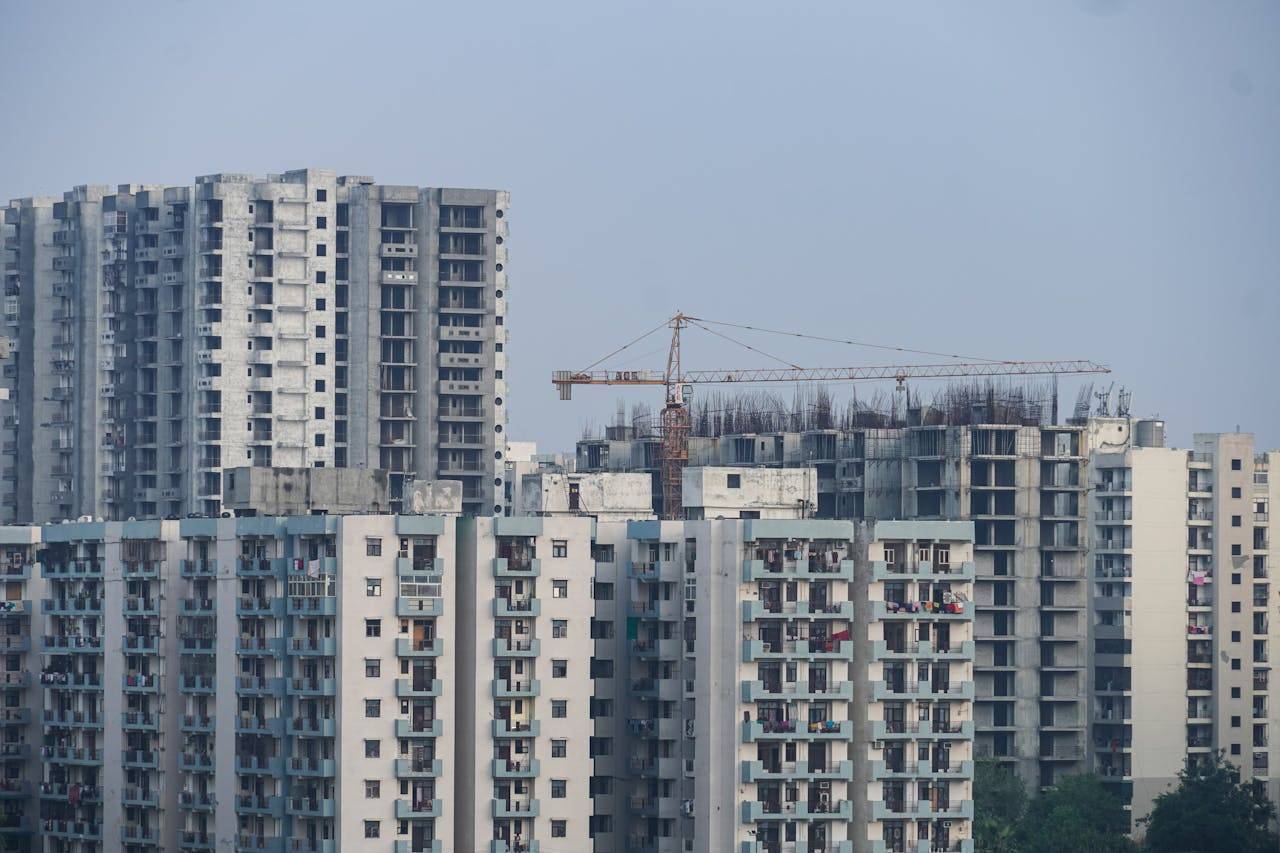
Cover Image- msn.com






.png)