
Luxury housing is no longer the only indicator of where India’s wealth is concentrating. Across several urban micro-markets, organised retail, destination dining and mixed-use developments are taking shape alongside new residential projects, reflecting a growing preference for neighbourhoods that combine living, shopping and leisure.
The pattern is visible across Mumbai, Bengaluru, Hyderabad and Pune, but Delhi-NCR stands out because multiple micro-markets are expanding simultaneously. Rather than a single luxury district, the region now has distinct residential clusters where retailers and investors are moving in alongside homebuyers, encouraged by improving infrastructure and a steadily expanding affluent population.
That momentum is evident in both demand and new supply. Luxury home sales across India's top seven cities rose 85% year-on-year during January-June 2025, with Delhi-NCR accounting for nearly 4,000 of the almost 7,000 units sold during the period, according to a joint CBRE and ASSOCHAM report. The confidence among developers has continued into 2026. ANAROCK estimates that NCR recorded around 16,000 residential launches in the first quarter of 2026, a 44% year-on-year increase, with Gurugram contributing the largest share of new supply.
Gurugram continues to anchor NCR’s luxury housing market, but activity has spread beyond Golf Course Road to Golf Course Extension Road, Southern Peripheral Road and the Dwarka Expressway corridor. As these residential clusters mature, retail developers are introducing high streets, lifestyle centres and food and beverage destinations designed to serve local communities.
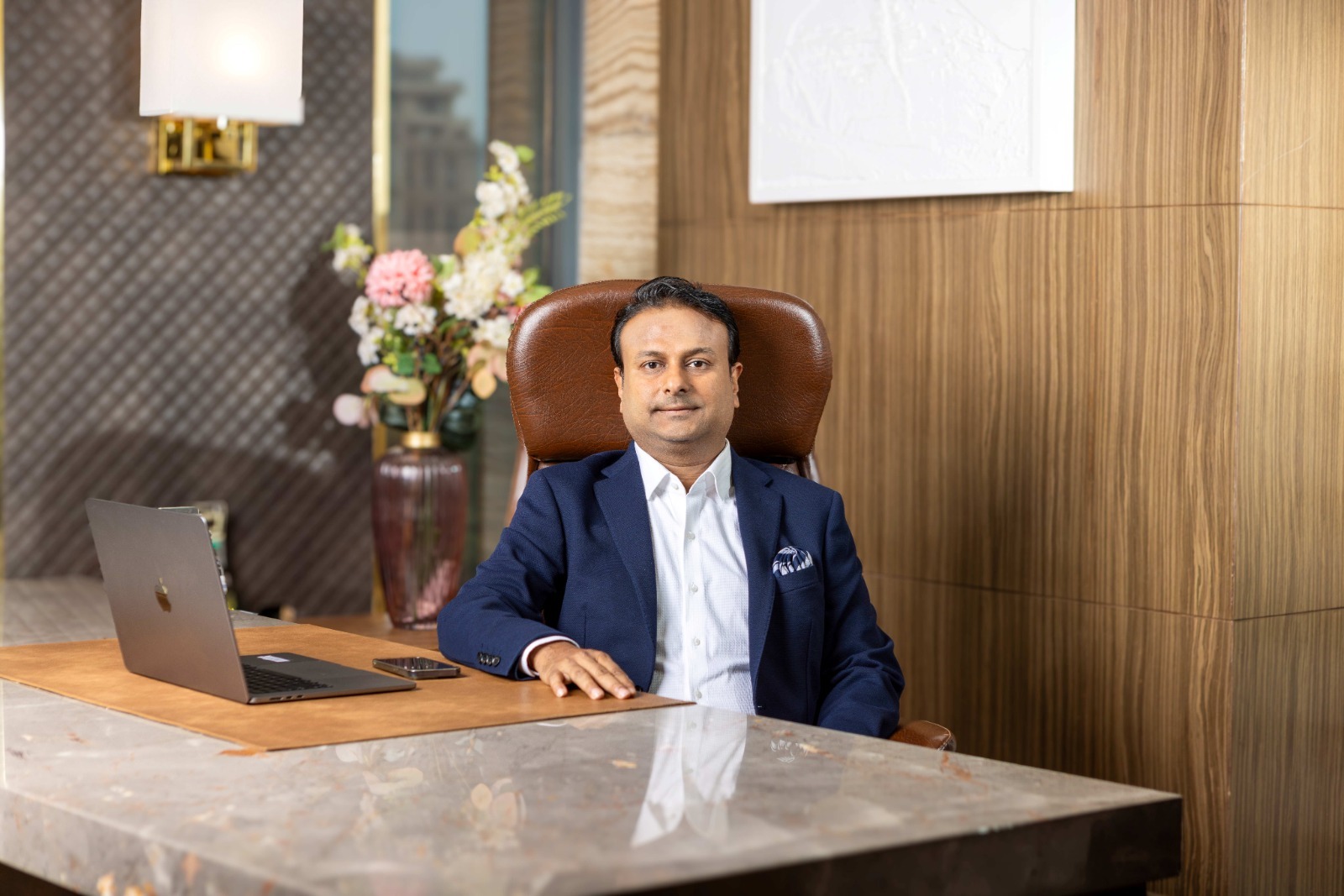
Dr. Gautam Kanodia, Founder, KREEVA and Kanodia Group, said, “South Delhi and Gurugram show how different luxury micro-markets can evolve at varying stages while collectively strengthening the region's real estate landscape. In Gurugram, established and emerging corridors such as Golf Course Road, Golf Course Extension Road, Southern Peripheral Road (SPR) and Dwarka Expressway are each developing with distinct buyer profiles, lifestyle offerings and infrastructure advantages. Meanwhile, South Delhi continues to attract discerning homebuyers seeking larger residences, exclusivity and established social infrastructure. This diversification of luxury demand is expanding the region’s residential depth while further reinforcing Delhi-NCR’s positioning as the largest and most future-ready premium housing market."
The residential momentum is being matched by retail demand. Delhi-NCR recorded 0.7 million sq. ft. of retail leasing in Q2 2026, up 13% over the previous quarter, with Gurugram, Delhi and Noida leading activity, according to Cushman & Wakefield.
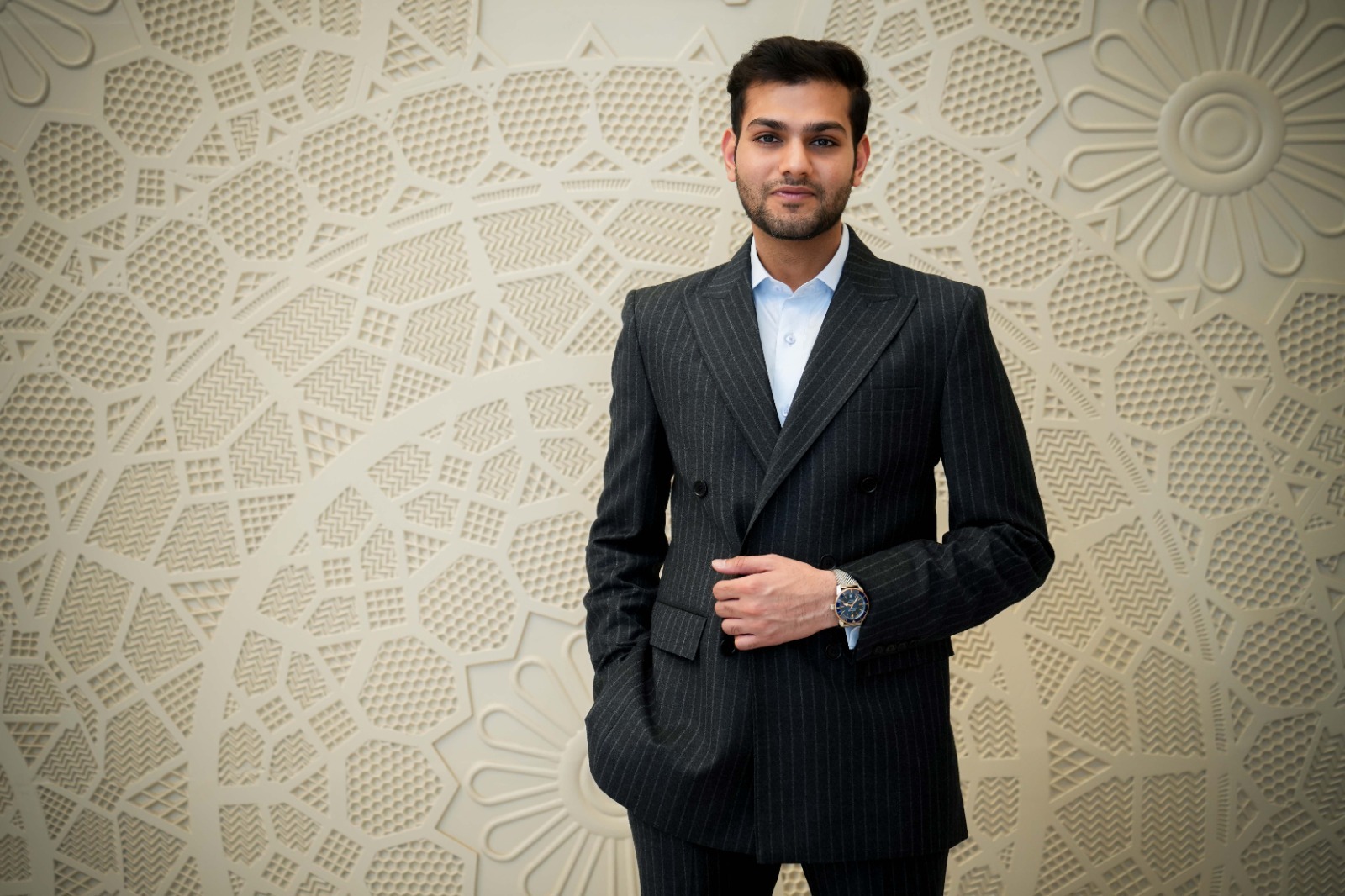
Mitul Jain, MD, SPJ Group, said, “Luxury homebuyers are placing greater emphasis on the overall character of a neighbourhood rather than the residence alone. This is encouraging developers to think beyond standalone residential projects and create destinations that support everyday living. As these communities mature, retail demand strengthens because it is backed by sustained purchasing power. Established locations such as Old Gurugram, particularly Sector 14, are witnessing renewed interest as their strong residential catchments, social infrastructure and central connectivity continue to support high-quality retail and mixed-use development.”
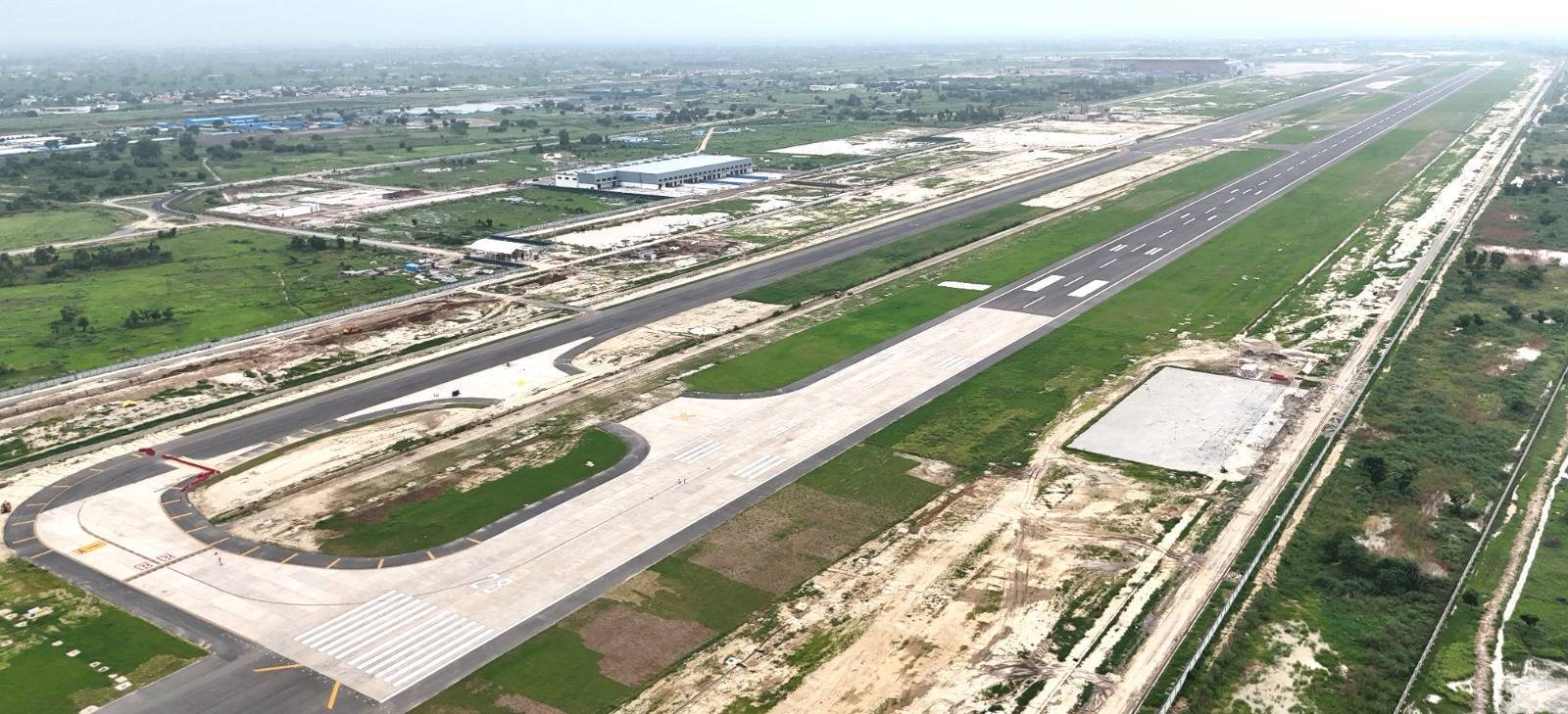
Noida is witnessing a similar trend, although the drivers are different. The Noida Expressway corridor and the catchment areas of the Noida International Airport are witnessing an increase in demand for high-end residential projects, which, along with office growth and infrastructure developments, are leading to the rise of organised retail. Faridabad is also drawing greater attention as connectivity improves and higher-income residential pockets expand.
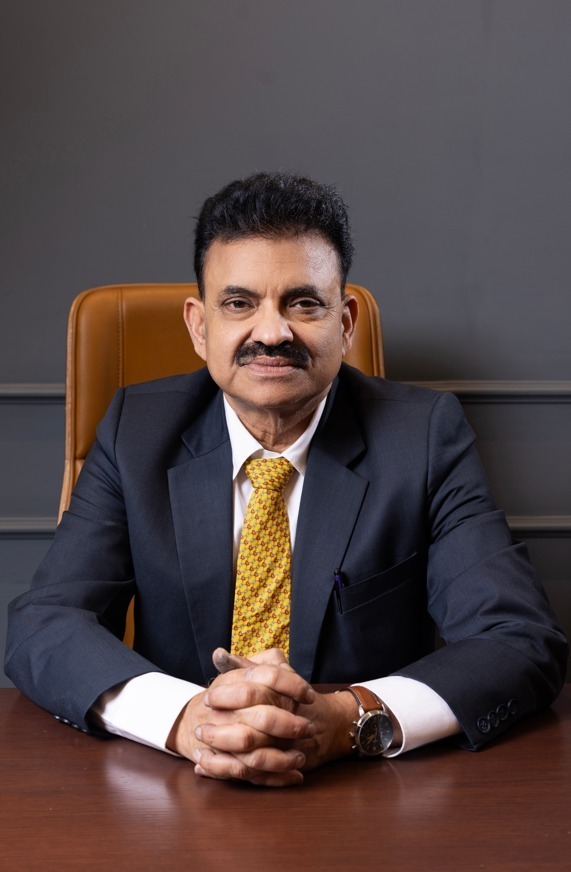
Salil Kumar, Director, Marketing & Business Management, CRC Group, said, “NCR is witnessing the convergence of infrastructure, luxury housing and organised retail, creating a fruitful impact on its realty market’s growth trajectory. Amongst high value micro-markets, we see Noida as one of its strongest beneficiaries with infrastructure, luxury housing and organised retail evolve parallely. Infrastructure certainly creates accessibility, but it is the concentration of affluent residents that ultimately sustains premium retail. With the constant transition in the consumer’s lifestyle and aspirations, high-end development is rapidly gaining a strong hold in Noida's market, making it a compelling example of how infrastructure, luxury homes and organised retail together are shaping the next generation of integrated urban destinations.”
At the same time, the relationship between housing and retail is becoming increasingly interdependent. Buyers now consider access to shopping, dining and recreation alongside the home itself, while retailers seek locations backed by a stable residential population rather than relying largely on office footfall.
Not every emerging corridor will progress at the same pace, and infrastructure delivery will continue to influence how these markets develop. Even so, the overlap between luxury housing and organised retail is becoming increasingly visible. Across Delhi-NCR in particular, these sectors are shaping the same urban locations, offering a clearer picture of where the region’s next consumption centres are taking form.