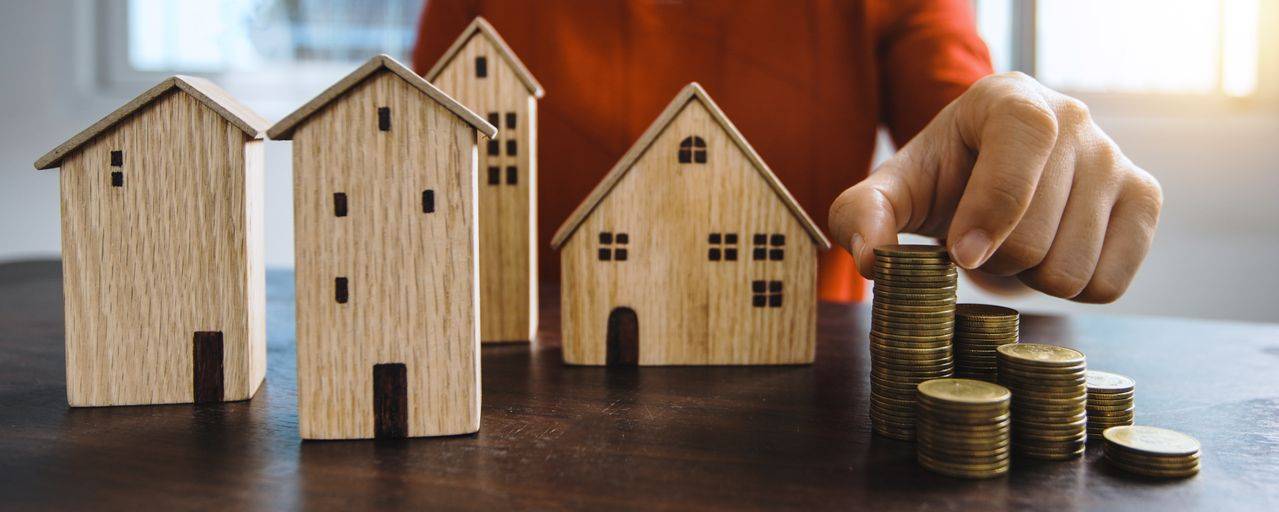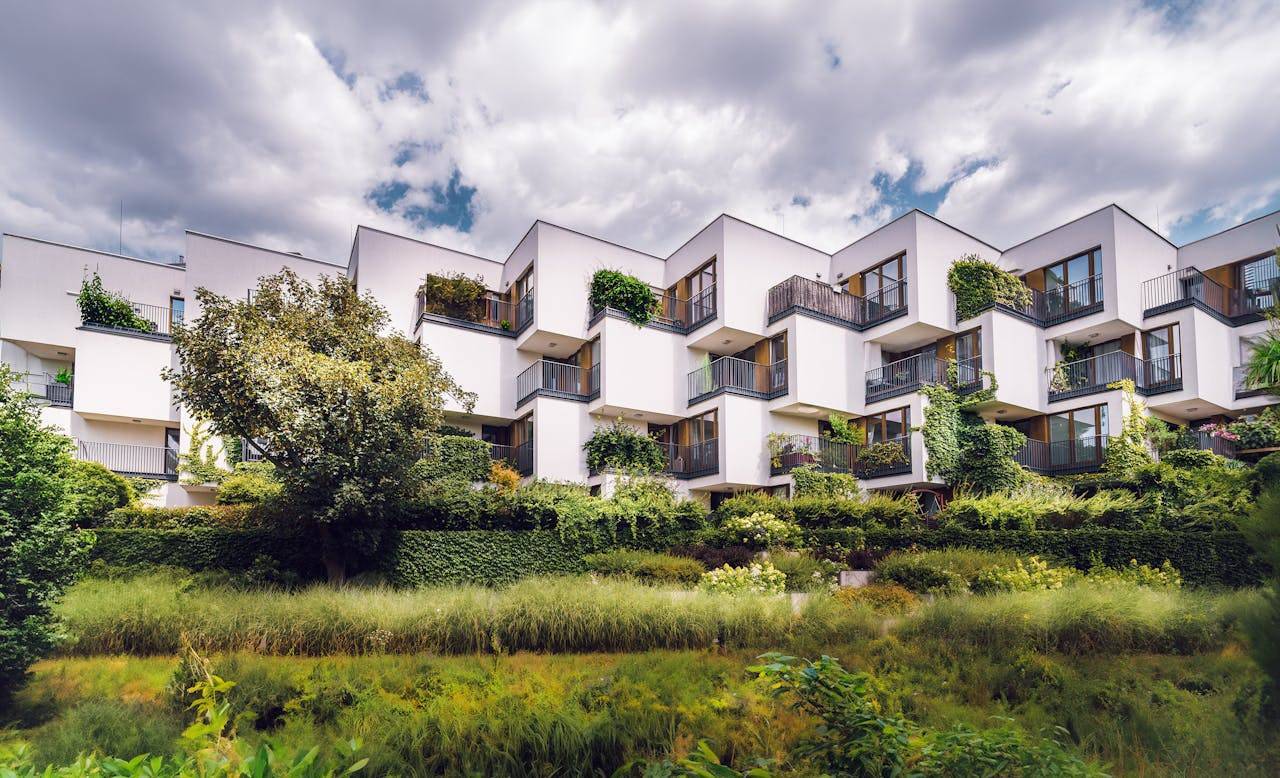

For years, sustainable living was talked about as a sort of moral choice. But now, being a real estate professional i see it more like a market mandate… you know that practical kind. Homebuyers, investors, and tenants aren’t really asking anymore if a property is green, they want proof. On World Environment Day 2026 the message is pretty clear: sustainable living isn’t some passing fad. It’s the new normal for value, wellbeing, and long-haul returns.
Green buildings are starting to command premium value
In 2026, energy-efficient homes with solar rooftops rainwater harvesting and waste segregation systems move faster and also fetch higher prices. Data from major Indian cities points out that certified green properties show about 15–20% lower maintenance costs and around 10–12% higher resale value. The reason feels simple: people are doing lifetime math. A home that reduces electricity and water bills isn’t a fancy add-on anymore—it’s a shrewder investment.
Location, Lifestyle and Sustainability Are starting to Blend
For ages the old real estate idea was “location, location, location.” Now people are saying “location, lifestyle, and low carbon” like it’s one breath. Homeowners look for neighbourhoods that have EV charging points, shared green pocket spaces, layouts that feel walkable, and decent access to public transport. If a project kind of skips these things, it becomes old news long before it’s even finished. If you are a developer or a buyer and you ignore sustainability, your kind of ignoring where the market is moving.
Retrofitting Existing Homes Is becoming the next big move
You don’t have to wait for a brand-new build to live more sustainably. In 2026, smart retrofitting—double glazed windows, cool roofs, lighting with sensors, and composting units—can deliver value pretty fast. I’ve personally seen apartment buildings lift rental returns by 8–10% after straightforward green upgrades. For homeowners, each rupee you spend on energy efficiency is a rupee that usually comes back in about 2–3 years.
What Every Homeowner Should do This Environment Day?
Kick things off with a home energy audit, then glide into five-star rated appliances, keep your usage lean. Toss in a drip irrigation setup for your balcony garden so water doesn’t go wandering about. If you’re buying a property, ask for the project’s Environmental Impact Assessment and also check whether there are IGBC or GRIHA ratings. Most importantly, treat sustainability like a must-have not a “nice to have” feature, the way you would treat a roof or foundation, no questions.
The Bottom Line
World Environment Day 2026 is kind of a nudge, to the real estate industry and to every homeowner too: sustainable living is no longer optional, because the price of ignoring it, higher bills, lower property values and more unliveable cities just keep adding up. The most eco-friendly home isn’t only kinder to the planet; it’s also a wiser investment you’ll end up making.
Authored By :

Keshav Mangla,GM Business Development, Forteasia Realty. He eceived Student degree from Pathways School Gurgaon and a Bachelor of Business Administration - Bachelor of Business Administration from Indian School of Business and Finance.