
For decades, landscaping in urban real estate was often viewed as an aesthetic add-on — a finishing touch applied after the “real” development work was complete. Today, that perception has fundamentally changed. In rapidly urbanizing cities, landscaping has evolved into a strategic asset that influences property value, buyer sentiment, environmental performance, and long-term livability.
As Indian cities become denser and more infrastructure-oriented, open green spaces are no longer luxuries. Developers, architects, hospitality brands, and commercial asset owners are increasingly recognizing that landscape design directly impacts how people experience a space — emotionally, socially, and even psychologically.
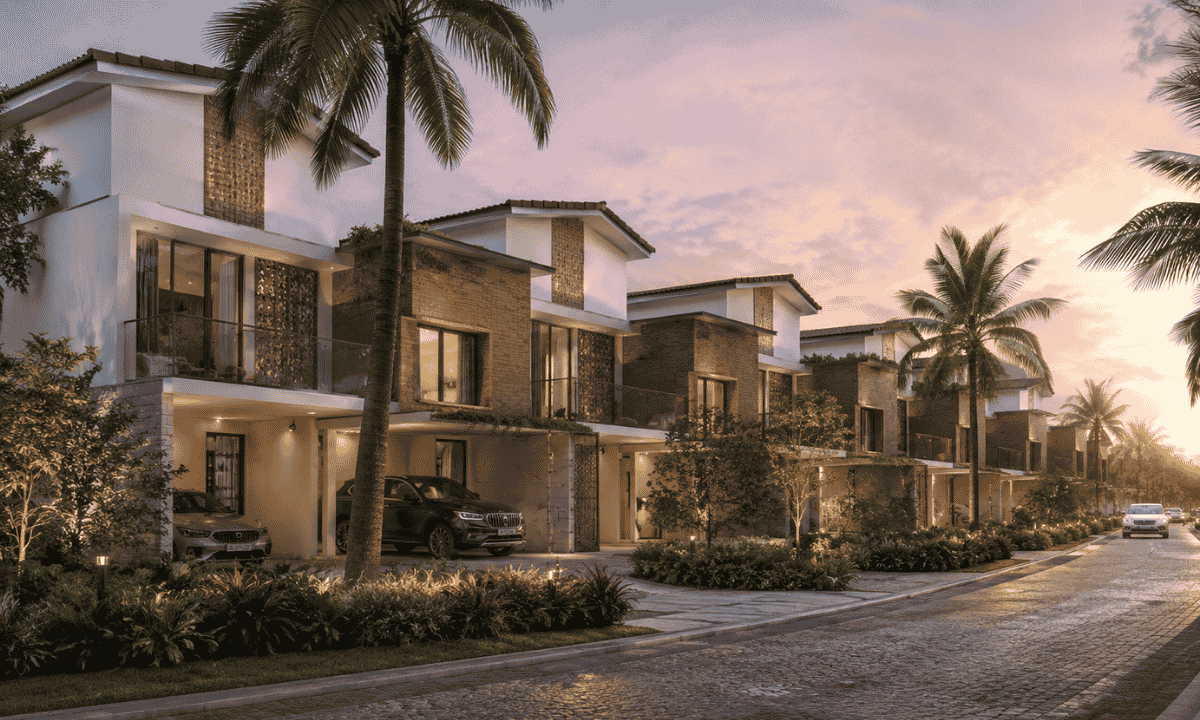
Modern real estate is no longer only about built-up areas; it is about creating environments that people genuinely want to live, work, and spend time in. Landscaping plays a central role in shaping that experience. A thoughtfully designed landscape can soften dense urban structures, improve microclimates, reduce heat absorption, manage stormwater, and create healthier ecosystems within cities. In many projects today, landscaped spaces have become the defining identity of the development itself.
One of the biggest shifts in recent years has been the growing demand for wellness-oriented environments. Post-pandemic lifestyles have significantly altered buyer and tenant expectations. Residents now value walkability, shaded outdoor areas, biodiversity, sensory gardens, and community interaction zones as much as apartment layouts or clubhouse amenities. In commercial developments too, companies are prioritizing greener campuses because outdoor environments are directly linked to employee productivity, well-being, and retention.
From an investment perspective, landscaped developments often command stronger long-term value perception. Green environments contribute to higher occupancy, stronger customer retention, and enhanced brand recall. Hospitality projects, tech parks, premium residences, and mixed-use developments increasingly use landscape architecture not merely for beautification, but as a business and experience strategy.
Additionally, climate realities are forcing cities to rethink the role of ecological design. Heatwaves, urban flooding, air pollution, and loss of biodiversity have made sustainability an urgent concern rather than a branding exercise. Landscaping now contributes directly to environmental resilience through rainwater integration, native plantations, carbon absorption, soil stabilization, and reduction of urban heat island effects.
In many ways, landscaping has become the invisible layer that determines how successful a project feels over time. Architecture may define structures, but landscapes define human experience. As cities continue to expand vertically and densities increase, the projects that will stand out are the ones that create meaningful connections between people, ecology, and urban living. Urban real estate is entering an era where green spaces are no longer secondary. They are becoming central to the identity, sustainability, and long-term value of modern developments.