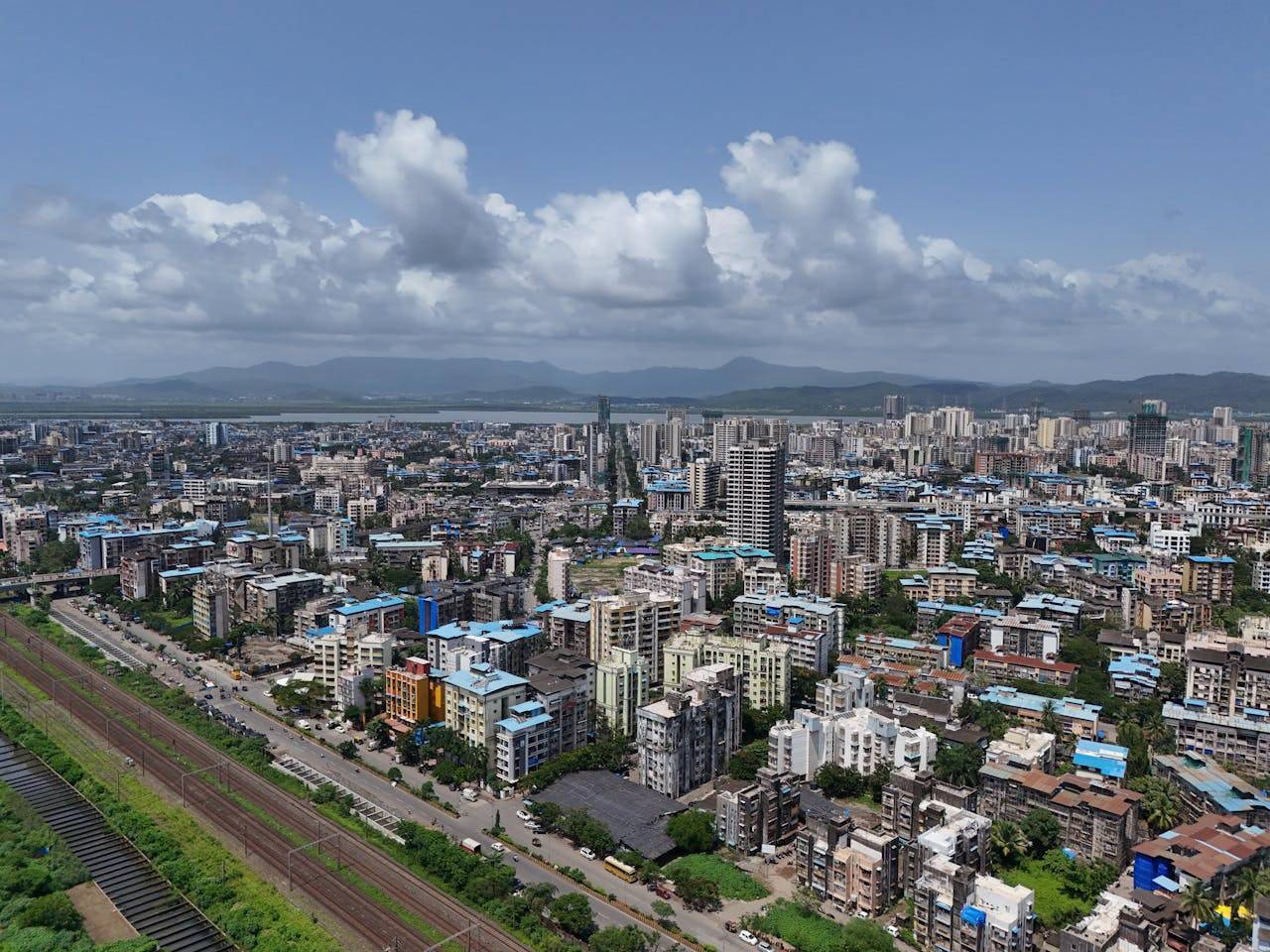

India’s urban story is at a turning point. The World Bank predicts that nearly 600 million people will reside in India’s cities and towns by 2036. Urban areas in India will create close to three quarters of the country’s total Gross Domestic Product (GDP) compared to just over 63% today. These predictions show a fundamental shift in how Indians choose to live, build their wealth, and create their futures within the next 10 years.
In order to generate substantial returns on investment in urban expansion, the growth and development of urban space cannot only be measured in square footage. Improvements to daily life, including shortened travel times to work, healthier neighbourhoods, improved infrastructure, and cities capable of weathering environmental and economic shocks, must accompany the expansion of cities in India. Major Indian cities are facing a range of issues from traffic to availability of housing to the increased burden on basic urban public service systems. Due to this, many existing megacity residents are locating to areas outside urban centers in peri-urban regions, satellite towns, or smaller cities, which will provide better opportunities for accepting and acclimating all new residential demand.
These emerging growth centres offer something India’s largest cities can no longer promise easily: space to plan well. With lower density pressure and more room for infrastructure, they allow cities to grow in a more orderly and sustainable manner. And this shift is reshaping housing choices as well. The changing needs as India expands Developers in Bengaluru, Chennai, Hyderabad, Gurugram and the outer limits of Mumbai Metropolitan Region have been rolling out several plotted projects as buyers’ preferences continue to change. This demand is considerably more in several of India’s Tier II & III Cities, like Jaipur, Lucknow, Sonipat, Indore, Nagpur, Coimbatore, Mysuru, Surat and Raipur. Buyers in these smaller cities are more interested in building their own homes to reflect their personal style, development offers good connectivity, clear land titles, organised layouts and a well-rounded
living environment. Growing developer interest. Once the domain of largely unorganised players, this segment is now seeing serious interest from branded developers who bring scale, credibility and better planning standards to the table. This difference matters at a time when affordable housing projects are under pressure from rising construction costs and wafer-thin margins, and when the luxury housing cycle is beginning to level off.
The infra push Infrastructure plays a vital role in boosting this momentum. The spending and implementation of wide-ranging national infrastructure programs like PM Gati Shakti and the Bharatmala Yojana, along with large-scale development projects in metro rail, expressways and rapid transit systems, are helping to expand the population density of cities into areas outside of their typical urban centre. Additionally, the establishment of new airport and logistics hubs generates substantial potential for growing the real estate market. This makes them a preferred option for wealth preservation.
Market trends underline this preference. Apartments delivered average annual price growth of around 9% while plotted developments saw appreciation closer to 15%. Flexibility is another draw. Buyers can hold the plot, build later, customise their homes and benefit from future infrastructure improvements. Lifestyle choices are playing an equally important role. Post-pandemic, buyers prefer lower- density neighbourhoods, more open spaces and healthier surroundings. Plotted developments strike a balance between individual home ownership and the comfort of shared infrastructure and social spaces. As India looks towards 2035, plotted developments are not a substitute for vertical living in dense city centres. They support decentralised growth. Done right, they can ease pressure on megacities, unlock underused land corridors and promote more balanced regional development.