
For years, the construction materials industry was largely driven by a familiar equation: price, availability and appearance. In 2026, that equation is changing.
As real estate and infrastructure activity remains strong, India’s construction materials market is entering a more quality-conscious phase. Developers, architects and increasingly discerning homebuyers are looking beyond the upfront cost of materials to ask a bigger question: how will this material perform over the life of the building?
That shift is pushing premiumisation into the mainstream. Across steel, cement, ceramics, natural stone, surfaces and building solutions, demand is increasingly being shaped by durability, design, technology, sustainability and lifecycle value. Premium no longer simply means expensive or visually luxurious; it increasingly means better engineered, longer lasting, more resource-efficient and easier to maintain.
The change also reflects a broader evolution in Indian real estate. As premium housing expands and buyers become more informed, the materials used inside and outside a building are becoming part of the value proposition itself. Quality is no longer something that is visible only at handover; it is increasingly being measured by how a building performs years after it is occupied.
The industry voices shaping this market point to the same larger transition: India is not merely preparing to build more. It is beginning to demand that what it builds should perform better, last longer and create greater value over its lifecycle.

India’s real estate and infrastructure sectors are witnessing strong momentum in FY27, driving healthy demand across the construction materials industry. Since April, robust infrastructure activity has supported demand for building products, including TMT steel.
At the same time, India’s evolving real estate market is seeing consumers become increasingly conscious of the materials used in construction. Sustainability is influencing purchasing and development decisions, with growing preference for buildings made using more sustainably produced steel and cement.
As premium housing gains traction, expectations around quality, durability and environmental performance are rising. Homebuyers and developers are looking beyond aesthetics and pricing to consider the long-term value and environmental impact of construction materials.
In this evolving landscape, trusted brands such as JAI RAJ – ATOOT are well positioned to meet the growing demand for reliable, high-performance housing construction materials, combining quality and durability with the changing needs of modern consumers.

Priya Rustogi, Leader (Managing Director), India, LIXIL IMEA
“India’s housing market has evolved substantially, moving beyond factors like price or visual appeal to the overall quality of the experience. Consumers are increasingly looking for quality, sustainability, and overall purchase experience, with these considerations increasingly ranking alongside or above price. Additionally, consumers are showing a greater willingness to pay more for trusted, customised, and eco-friendly materials. As consumers become more design-conscious, spaces such as the bathroom are also becoming an important part of the premium home experience, bringing together design, technology and comfort. For the industry, this creates an opportunity to innovate more meaningfully, balancing aspiration and performance with responsible resource use and long-term value.”

Mr. Kaushal Mehta, Managing Director at Walplast Products Pvt Ltd
"Premiumisation is redefining the construction materials industry, driven by rising consumer aspirations and the growing emphasis on quality-led development. Whether in housing, commercial real estate, or infrastructure projects, stakeholders are increasingly prioritising products that deliver superior performance, durability, sustainability, and long-term returns. This trend is encouraging innovation across the value chain, from advanced formulations to smarter building solutions. In a market where expectations are evolving rapidly, premium materials are no longer viewed as an upgrade but as a necessity, enabling lower lifecycle costs, reduced maintenance requirements, and enhanced asset value. The future of construction will be defined by solutions that balance performance, aesthetics, sustainability, and economic efficiency in equal measure."

Rajesh Bhandari, Director, A-Class Marble
"The Indian residential landscape is undergoing a structural shift where premiumisation is no longerdefined merely by aesthetics, but by longevity. Today’s homeowners view high-end materials, such asprecision-processed natural stone and marble, as sustainable, lifetime assets instead of short-termdecorative choices.We see a clear transition away from synthetic, high-carbon alternatives toward natural stone andmarble that is ethically sourced to offer durability and timeless character. Looking into the second half of2026, we notice that demand is firmly driven by architects and buyers who refuse to compromisebetween luxury and environmental responsibility. Premiumisation in construction materials now lies atthe exact intersection of natural authenticity, advanced processing precision and long-term sustainable performance."
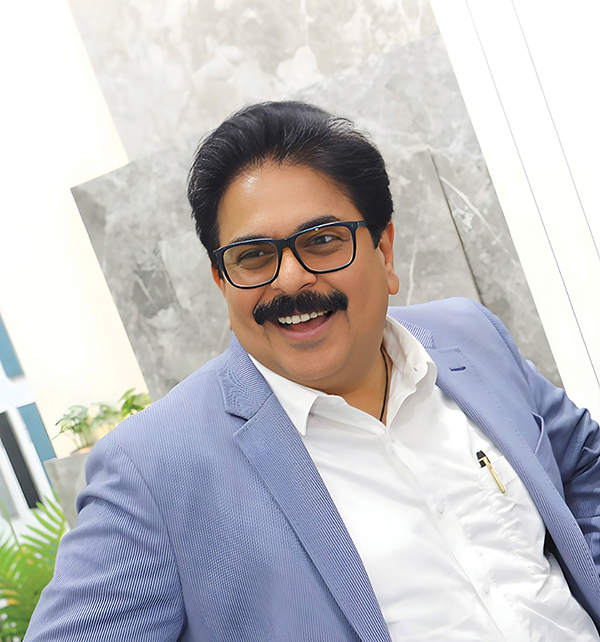
Pankaj Sethi, Chief Operating Officer, Kajaria Ceramics
"India’s construction materials industry is moving from a volume-led market towards oneincreasingly shaped by premiumisation and user experience. As the demand for luxury housingexpands, material choices are driven by greater aesthetic differentiation, larger format tiles,advanced surface finishes, durability, and technology. This is creating space for us to movebeyond commodity-led offerings towards value-added surfaces and integrated solutions.Premiumisation, therefore, is about delivering greater design choice, material intelligence, long-term performance, and technology that anticipates how surfaces will need to perform and adaptin the future, while making these qualities increasingly accessible to a wider Indian market."
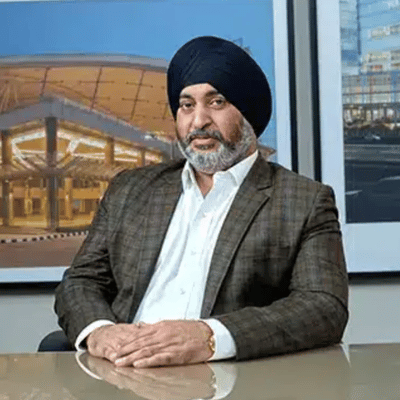
I’ve always believed that 'God is in the details,' and clients are fully embracing that mindsettoday. Luxury is moving ahead of fancy surface finishes, now it’s more about the precision thatgoes behind it.People are now willing to invest in getting the unseen details right, demanding materials andcraftsmanship that age gracefully. Durability and sustainability have merged, raising thebenchmark for what it means to create something that can be truly called "well-made".

Rahul Bahl, Managing Director of Krishna Buildestates Pvt. Ltd.
"At the execution stage, premiumisation is much more than just higher specifications. The real engineering opportunity is in delivering better performance; building structures that are durable, reusable, recyclable and resource-efficient. The future of construction is in building better through sustainable measures, which means generating less waste on-site and driving greater lifecycle value."
India’s construction materials market is entering a phase where premiumisation will be judged less by how much a material costs and more by how much value it creates over time.
The shift is already visible across the industry. Steel is being evaluated through the lens of responsible production and structural reliability; surfaces and tiles are moving towards greater design and technological sophistication; natural stone is being positioned around longevity; and building solutions are increasingly expected to reduce waste, maintenance and resource consumption.
For developers, architects and material manufacturers, this changes the opportunity. The next phase of growth will not simply come from selling higher-priced products. It will come from demonstrating why a better material is worth choosing through stronger performance, longer life, lower lifecycle costs, responsible sourcing and greater design flexibility.
In that sense, the future of India’s construction materials industry is not about making premium synonymous with luxury. It is about making premium synonymous with better.
And as India builds at greater scale, that distinction could define not just what gets built, but how well it stands the test of time.