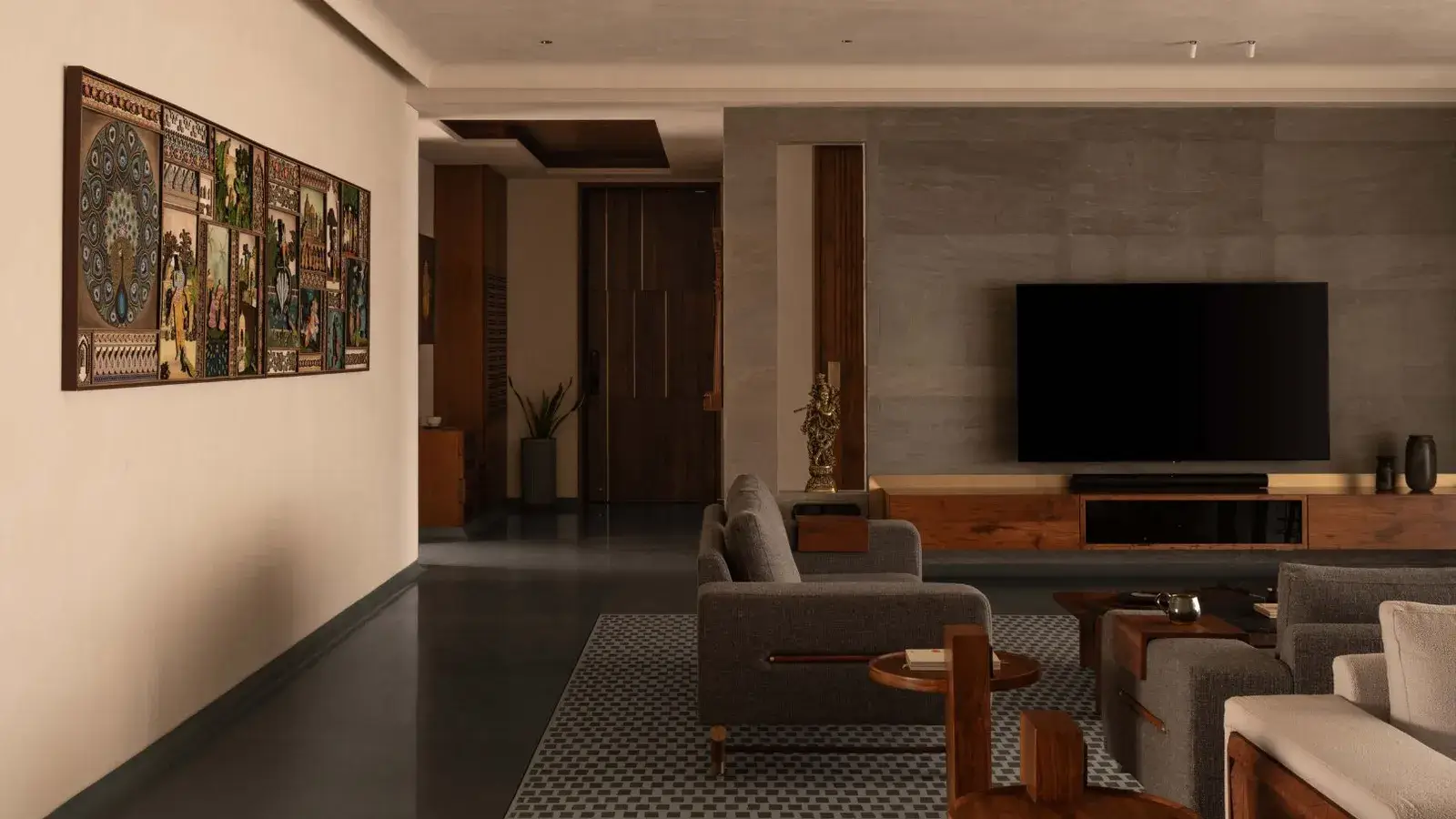
Indian cities are increasingly growing vertically, transforming the spatial character of homes in the process. Traditional elements such as courtyards, verandahs, and shared community spaces, once central to everyday living, have become rare in modern apartments. Yet, a thoughtfully designed residence in Surat shows that even as architectural forms evolve, the essence of tradition can still be preserved. Designed by architects Kruti Sukhadia, Vipul Sukhadia, and Mrudali Joshi of Sharran Architecture + Design, this home seamlessly blends cultural memory with contemporary lifestyle needs, creating a space that feels both rooted and relevant.
Reinterpreting the Spirit of Communal Living
Gujarati houses have always been heavily inspired by a community vibe. Architectural elements such as the aangans and otlas were not just parts of the house but also instruments of socialization, enabling daily informal interaction and bonding. This apartment takes that very notion and implements it visually through an airy and open plan that not only helps people to connect but also stays true to updated living standards.The house though only inhabited by 3 members of the family is architectured with the idea of the availability to the extended family and guests at the same time. The nonexistence of the fixed or strict
The Kitchen as the Cultural Core
Food is deeply intertwined with Gujarati culture, and the architectural style of this house gives a lot of weight to that in a very natural way. The kitchen and dining areas, in fact, are designed as one continuous space so as to strengthen the idea that cooking and getting together are shared activities. An open kitchen opening onto the dining room allows hosts to keep entering into conversation with guests even as they prepare the meal. This arrangement makes things not only more efficient but it also deepens human relationships, turning the usual day-to-day activities into special moments. The design celebrates the fact that for a lot of Indian families, the kitchen is hardly a mere work area; it is the heart and soul of the home.
Bringing Back the Hichko
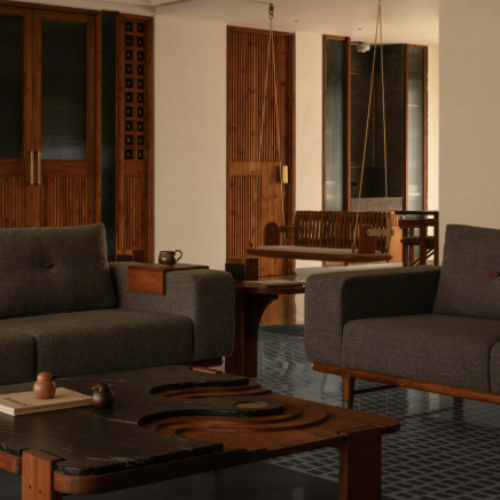
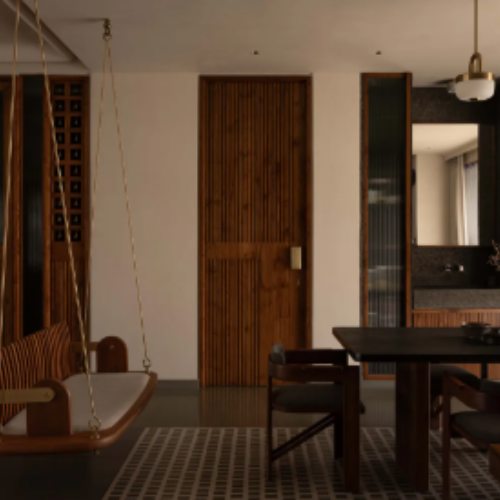
One of the most eye-catching features in a house that can instantly remind you of your old days and take you down the memory lane is the hichko (swing). These traditional swings are skillfully placed in the balcony and near the dining area. But besides being just lovely dcor, these swings are just like time-machines that can take us to a life of leisure, chat and closeness. Swings in traditional Gujarati houses were mostly put in main areas and so, became informal meeting points. Today, they come as trendy and stylish additions that could be the best place for one to relax and de-stress. Moreover, they serve as a bridge between different generations, reminiscing the good old days while keeping up with the present times.
Material Honesty Meets Climate Sensitivity
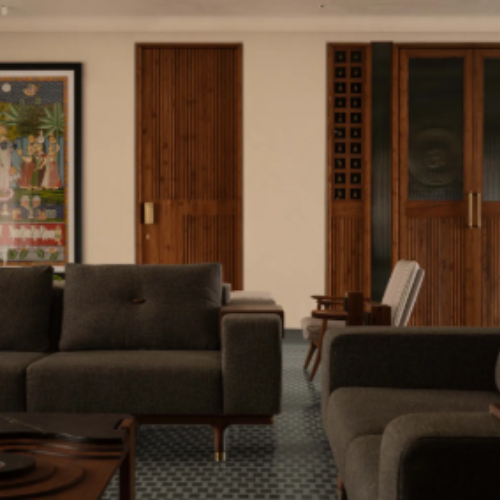
A key feature of this home is its dedication to using raw materials. Rather than opting for shiny, sleek surfaces, the designers picked materials that are in harmony with the family's way of life and the outdoor climate. Besides stabilizing the temperature of the house from without by means of absorbing and releasing moisture, lime plaster walls aid thermal comfort. At the same time, the coolness of feet is maintained by the Kota stone floored surface - an urgent need keeping in mind the hot and dry climate of Surat. Besides meeting the needs of the present, these materials have a classic charm that gives the house a feeling of lasting and unpretentiousness.
Crafting Subtle Visual Narratives
Besides functional benefits, the use of Kota stone is turned into a medium for design expression. Fine stone inlays embedded in the floors create refined terrazzo-like patterns that can be likened to "stone rugs." These patterns set a gentle visual rhythm that make the interiors more vivid and yet so subtle. Minimum detailing is the sign of a well thought out design. The design choices are so intentional and inter-connected. Stone features prominently in the homes material choices, with Kandala grey stone making up the TV wall and black basalt spoting more secluded places such as the pooja room and bathrooms.
These cool colors are complemented by the warmth of Burma teakwood furniture and discreet brass touches. The front door is a marvelous example of this mixture. Brass coin inlays embedded in Kota stone are the door step and figuratively the entrance into ones personal and cultural sphere. This minute feature is meaningful and is an elegant reminder of the ritual and transition that are important in Indian homes.
Designing for Both Togetherness and Solitude
The home brings people together but also gives space for quiet. It splits the layout into formal and informal zones so residents can pick between social time or personal peace. The balcony stands out. Stone inlays from S H. Raza's work give it character. It stretches beyond the living room but keeps things private Greenery spreads below. A swing holds stillness in place. That's where you sip tea or just sit without talking.
A Thoughtful Balance of Past and Present
This Surat residence is not an attempt at imitating traditional design but an interpretation of its essence in the context of contemporary design. The architects have used a blend of cultural aspects, climatic considerations, and contemporary space planning to design a home that is both contemporary and rooted.
This home is an example of how tradition is not static in its approach but is dynamic in nature. It has changed with the passage of time and has accommodated new environments with its traditional values. Thus, it is not just a home but an expression of tradition.
Photography by Nilkanth Bharucha | Noaidwin Studio