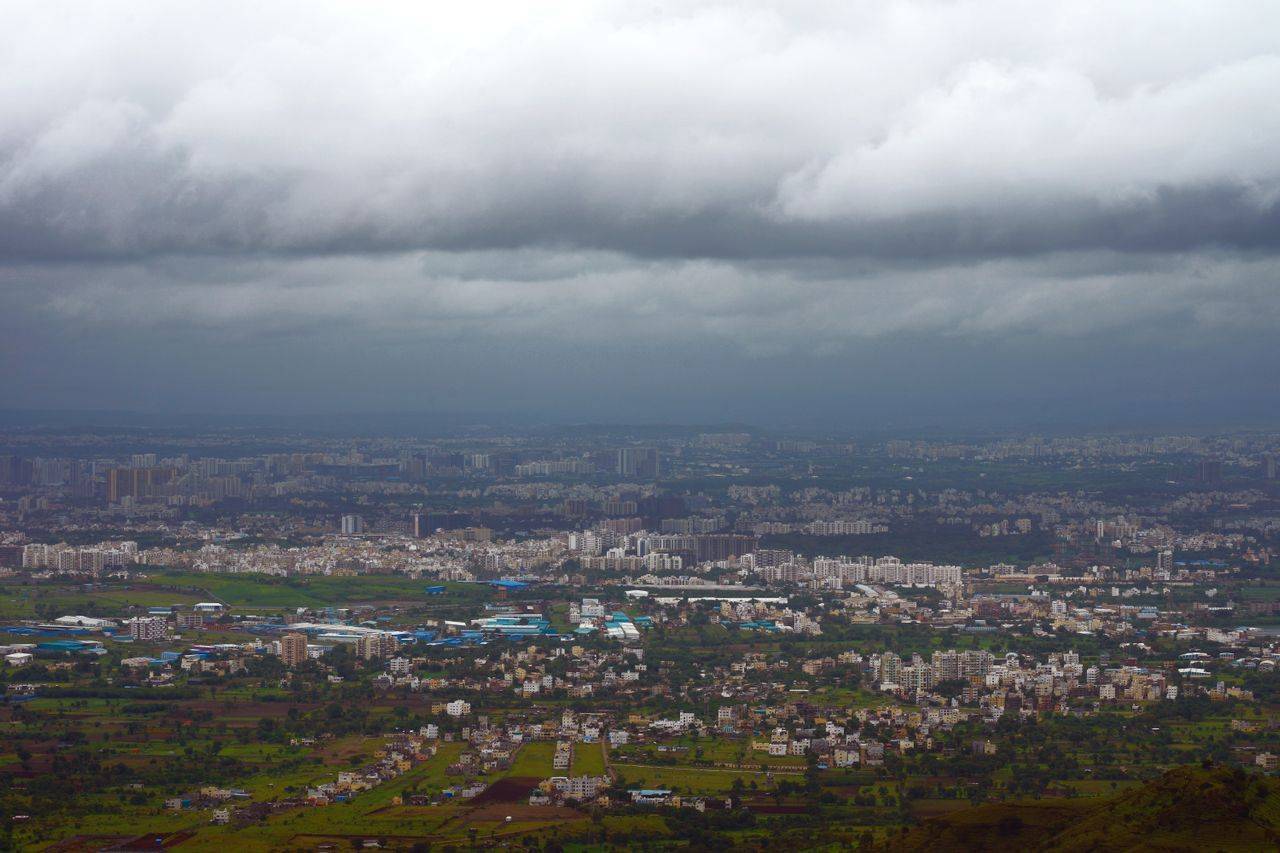
A decade ago, a homebuyer looking towards West Pune largely had a familiar set of choices Baner, Balewadi or Wakad. Today, the western edge of the city looks different. Development is moving further out, and Mahalunge is becoming part of the conversation.
The reason is not simply that new housing projects are coming up. Mahalunge sits at the intersection of several forces that have been reshaping West Pune the expansion of the Hinjewadi employment corridor, improving connectivity, the availability of larger land parcels and growing demand for newer residential communities.
The result is a locality that is gradually moving from being valued primarily for its location to developing a residential ecosystem of its own.
Why Mahalunge?
Mahalunge's geography explains much of its growth. The locality sits close to Hinjewadi while remaining connected to Baner, Balewadi and Wakad. It also has access to the Mumbai-Bengaluru Highway, giving residents road connectivity towards key employment and residential areas.
This creates a different proposition from Pune's mature western neighbourhoods. While established markets already have dense development, Mahalunge still has larger parcels that can accommodate planned residential communities. That distinction is becoming increasingly relevant as developers look for locations where projects can be built at scale, rather than being added into an already-developed urban environment.
The numbers behind the expansion
The wider north-western residential corridor is already seeing increased activity.
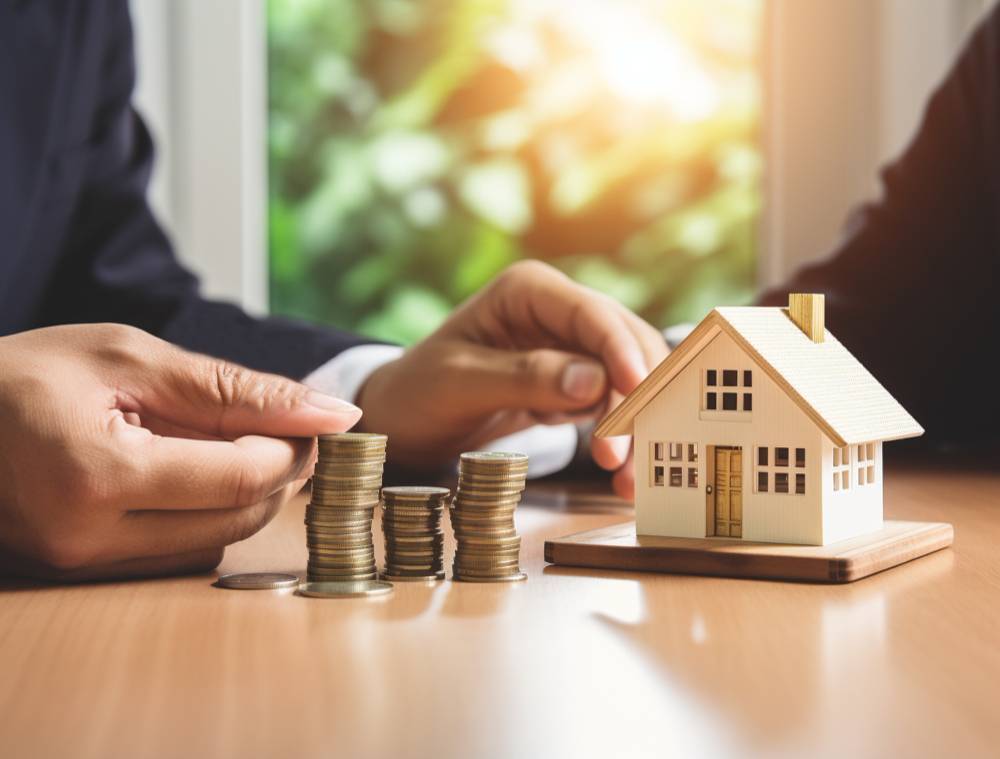
According to the Gera Pune Residential Realty Report, the corridor recorded 12,120 housing sales between January and June 2026, a 29% increase over the same period a year earlier. The corridor includes Hinjewadi, Wakad, Ravet, Kiwale and Mahalunge. Mahalunge itself has also seen a significant change in residential pricing. Average rates have moved from around ₹6,298 per sq ft in 2021 to approximately ₹9,145 per sq ft by Q2 2026.
Put simply, a 1,000 sq ft property at the average rate would have been valued at roughly ₹63 lakh in 2021, compared with around ₹91 lakh at the Q2 2026 average, before accounting for differences between individual projects and property specifications. The numbers don't indicate where prices will go next. They do, however, show how significantly the market has changed over the past five years.
Infrastructure is changing the equation
Connectivity will remain one of the factors determining how quickly Mahalunge develops.
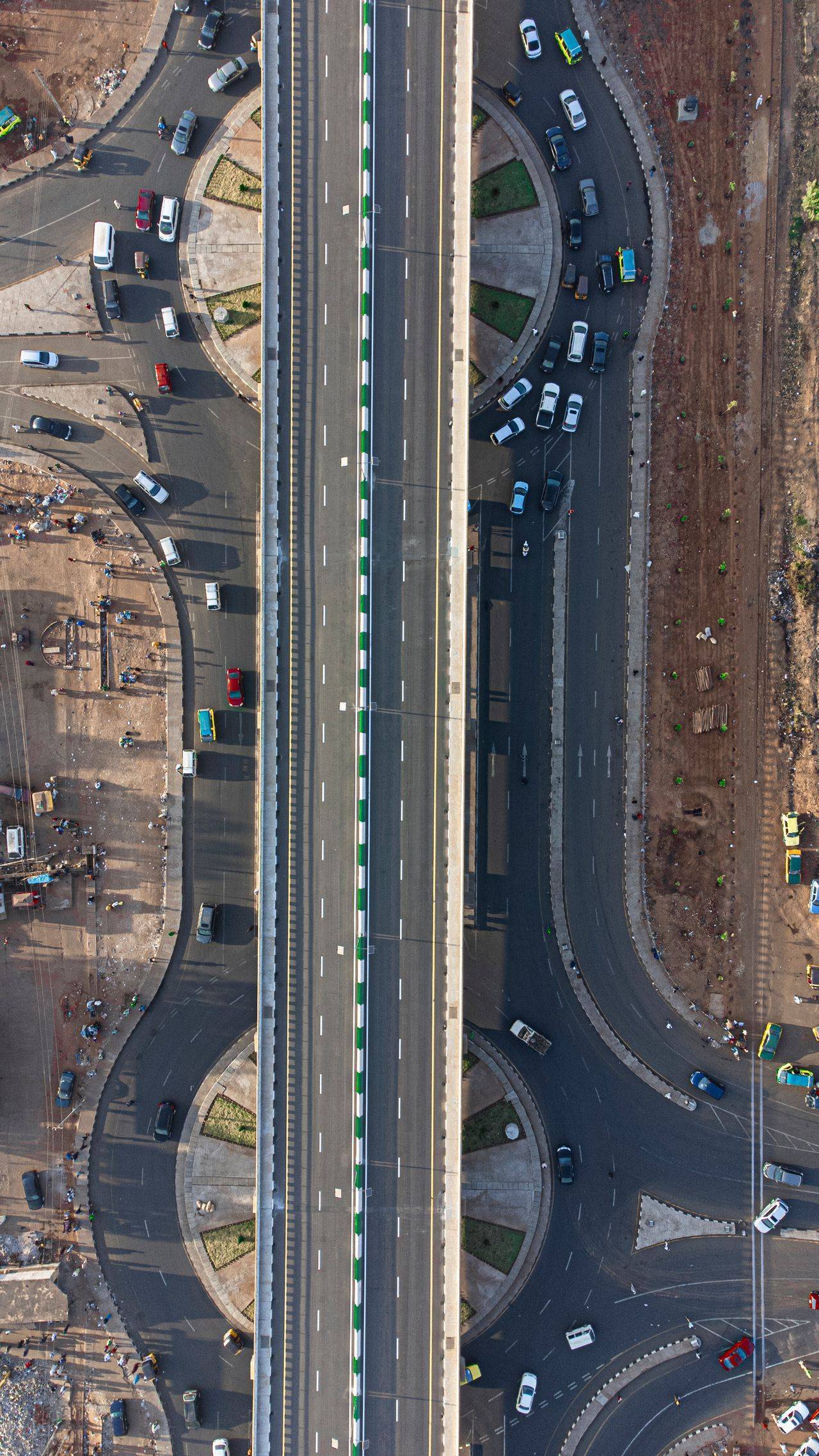
The locality already benefits from road connections to Hinjewadi, Wakad, Baner and Balewadi, as well as proximity to the Mumbai-Bengaluru Highway. The development of Pune Metro Line 3 between Hinjewadi and Shivajinagar is another significant infrastructure development for the western corridor. By connecting the Hinjewadi employment hub with central Pune, the project is expected to strengthen public transport connectivity across this part of the city.
For Mahalunge, the broader significance is that improved transport can make emerging residential locations more closely integrated with established employment and commercial centres.
What is changing on the ground?
The most visible change is the nature of residential development.
As more developers enter the market, Mahalunge is seeing larger-format communities and projects positioned around amenities, open spaces and lifestyle features. This is different from the earlier perception of the locality as simply a lower-density extension of established West Pune.
The change is also creating demand for supporting services. As residential populations increase, retail, education, healthcare, recreation and everyday conveniences become increasingly important to the functioning of the neighbourhood.
This is the point at which a collection of housing projects begins to become a residential ecosystem.
The changing nature of development is also reflected in the presence of established developers in the micro-market, including VTP Realty, Godrej Properties. Projects such as VTP Bellissimo, VTP Town Square, VTP Aethereus, Godrej Hillside Estate, Medows illustrate the scale and variety of residential development emerging across the broader Mahalunge-Hinjewadi corridor. The mix of developers and project formats points to a market that is gradually moving beyond individual housing developments towards a more established residential ecosystem.
The evolution of Mahalunge offers a glimpse into the next phase of Pune’s urban growth one where established neighbourhood gradually give way to larger, more integrated residential corridors. With development activity accelerating and connectivity improving, Mahalunge is moving beyond being simply a well-connected location. It is beginning to take shape as a new residential ecosystem within the wider West Pune corridor.