

The Kedarnath Temple is situated in the Garhwal Himalayas at a height of 3,583 meters and is arguably one of the finest ancient Indian architectural monuments in the world. This holy temple, which dates back to over a thousand years, has witnessed the harshest environmental elements over the course of time such as extreme cold, earthquake, heavy snowfall and movement of glaciers.
However, the temple's stability was most evident when the 2013 Kedarnath floods happened and almost everything around it got destroyed except the temple. The fact that it withstand such a disaster is not merely a matter of luck but the temple is designed intelligently, the location has been selected very strategically, and there is a deep knowledge of natural forces behind it.
Advanced Construction Technique: Building without the Need for Cement
The most significant characteristic of the Kedarnath Temple is the way in which it has been constructed. Unlike other buildings of the modern era, which are constructed using cement and other materials, the structure of the Kedarnath Temple is made of massive blocks of grey stones that have been cut and assembled using the Ashlar masonry technique.
- The stones are cut and locked in a way that creates a cohesive structure
- Iron clamps are fixed in the joints for added durability
- The absence of cement and other materials makes the structure more flexible in stress conditions
- The weight of the stones provides the structure with the necessary grounding and resistance
This is the most significant characteristic of the structure of the Kedarnath Temple. It has been constructed in such a way that it can dynamically respond to stress conditions. Unlike other structures that tend to crack in stress conditions and remain vulnerable to earthquakes and other movements of the earth’s crust, the structure of the Kedarnath Temple is more likely to withstand such conditions and can be considered the epitome of modern engineering.
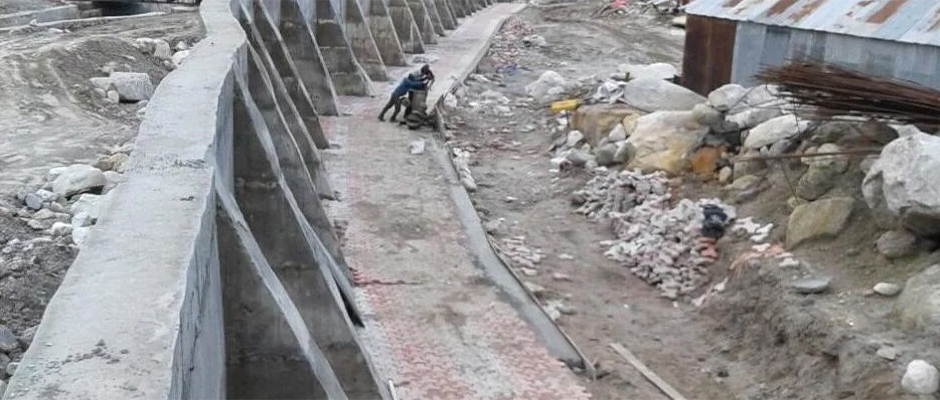
Wall Thickness and Stability of Structures
One of the most striking features of this temple is the wall thickness, which could go as high as 12 feet. This is not just a question of aesthetics; it is a question of engineering as well.
The wall thickness provides the necessary structural strength to hold the weight of the stone-covered roof. On the other hand, it acts as a shield to protect the structure from external factors such as high-speed wind, floods, etc. In addition, it acts as a source of insulation to protect the structure from extreme cold due to the weight.
- The walls, which could go as high as 12 feet in some places, add to the durability of the temple
- The distribution of weight ensures that there is no concentration of stress in the structure
- The use of insulation ensures protection from extreme cold
The protection from extreme factors such as floods and high-speed wind ensures the stability of the structure
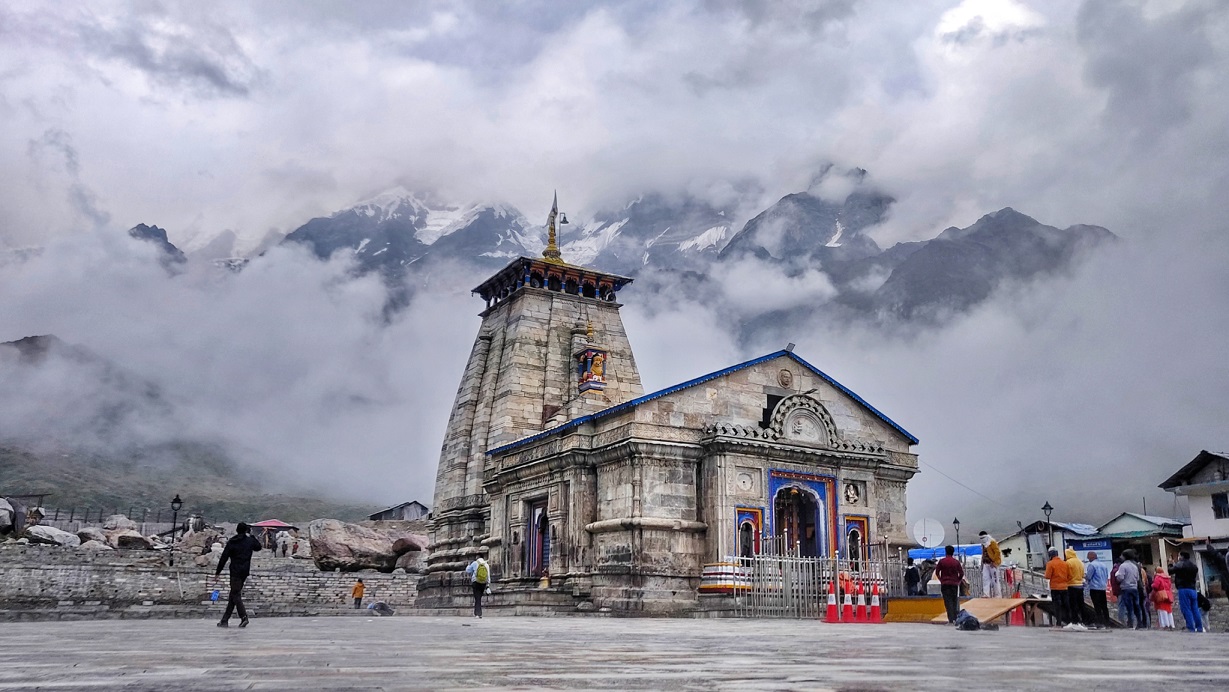
Strategic Location and Orientation
The location of the temple is as significant as the building itself. It is not located randomly but is oriented in such a way that the impact of natural factors is reduced to the minimum possible level.
The north-south orientation of the temple is such that the impact of winds and the flow of glaciers is reduced. Instead of the winds and glaciers acting directly on the structure of the temple, they pass along the sides of the structure. This way, the structure is saved from the full force of the winds and the flow of the glaciers. In addition to this, the base of the temple is slightly elevated. This ensures that the structure is not flooded with rainwater and that the melting of the snow does not cause any problems for the structure of the temple.
The location of the temple is such that the natural slopes provide the necessary drainage of the rainwater and the melting of the snow. This way, the structure is protected from the impact of the environment in two different ways. This strategic location of the temple is a reflection of the knowledge of the builders of the geography of the region.
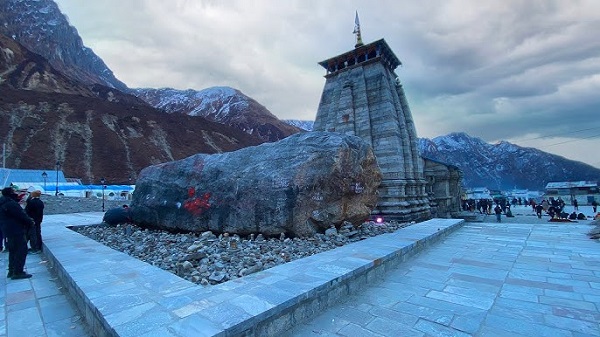
Bhim Shila: Nature’s Protective Barrier
One of the most intriguing aspects of the Kedarnath temple’s survival in the 2013 flood disaster was the presence of a massive boulder that came to be located just behind the temple.
- Measures approximately 20 feet in width and 12 feet in height
- Located a few meters behind the temple structure
- Acted as a barrier that helped redirect the flood waters and debris flowing down the mountain
- Prevented the flood waters and debris from striking the rear wall of the temple structure
As the flood waters laden with rocks and debris rushed down the mountain, the presence of the massive boulder helped redirect the waters around the temple structure. From a scientific point of view, it was a great example of the impact that a natural obstacle could have on the fluid dynamics of the flood waters. From a spiritual point of view, it was seen as a divine intervention that further established the sanctity of the temple structure.
Climate-Responsive Architectural Design
Kedarnath Temple is also a good example of climate-responsive architectural design. All aspects of its design are a reflection of its adaptation to the extreme Himalayan climate.
The roof is slightly sloped so that snow can slide off rather than accumulating and causing structural stress by adding weight.
- The compact design helps in resisting extreme winds.
- The thick walls help in maintaining temperature stability.
- The design has been able to withstand extreme conditions of frozen temperatures and heavy snowfall for a long time.
There is evidence that suggests that this temple has survived glacial conditions and has possibly even been buried under ice for a long time. However, it has still remained structurally sound and is a reflection of its good design.
Performance During the 2013 Floods
The 2013 floods turned out to be one of the deadliest natural disasters ever in the region. The survival of Kedarnath Temple amid the complete destruction of the surrounding infrastructure is a clear indication of how well its design and site selection worked. - The use of interlocking stones made it impossible for the structure to collapse.
The temple's walls being very thick could withstand both the debris that were being thrown around as well as the pressure from water. - The raised platform commanded a certain height that kept direct water from flooding inside. - Bhim Shila took the brunt of the main floodwaters and redirected it. This incident revealed that very old construction techniques can even beat many present-day methods in situations that are very extreme if they are used together with knowledge of the environment.
A Perfect Balance of Science and Spiritual Significance
Kedarnath Temple, through its very essence, eloquently speaks of the ingenuity of the ancient Indian craftsmen. The temple exhibits a profound knowledge of materials, the way structures behave, and understanding natural forces. Its durability is actually a result of several factors such as the stone interlocking technique, very thick walls, and picking the right place. Besides this, the occurrence of Bhim Shila during floods symbolizes a spiritual aspect which keeps on motivating many people. No matter if it is done scientifically or by faith, the survival of the temple is undoubtedly admirable. In fact reason the temple is a combination of intelligent planning and reverence towards ones environment, have conspired to produce a building able to remain intact over several centuries.







.png)