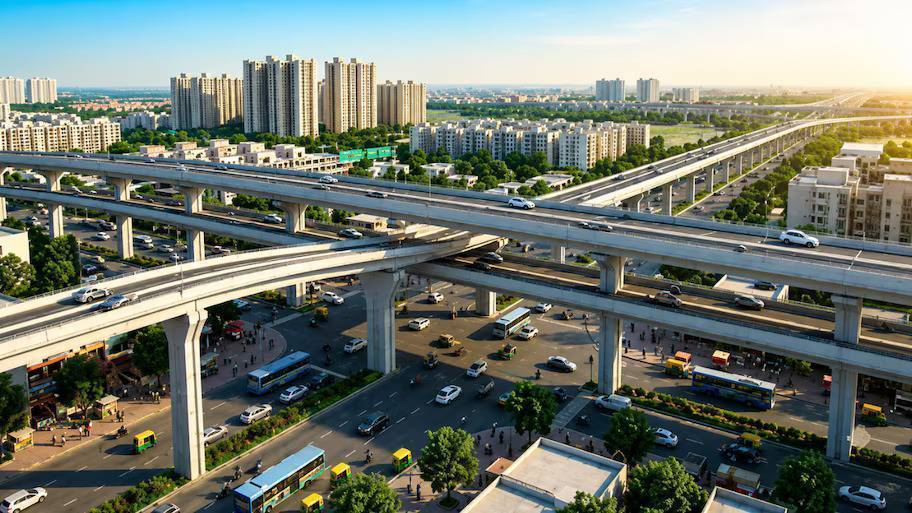
Greater Noida is about to make a significant move and upgrade its urban mobility infrastructure. There is a plan on the table to build the city's first double-decker flyover that will connect Shahberi, greater Noida West, and Crossings Republik. The project has been completely overhauled after technical assessments showed that the originally proposed elevated roads weren't feasible due to a lack of space. When it opens, the flyover will help relieve traffic congestion, will facilitate better connectivity, and also meet the demand of the growing residential developments in the region.
Estimated to be 2.5 km long, the flyover will stretch from Eteda Roundabout in Greater Noida West to Crossings Republik through Shahberi. The National Highways Authority of India (NHAI) will be responsible for its execution and completion by 2028 since it meets the Delhi-Meerut Expressway. Before actual construction works take off, the preparation of a detailed project report (DPR) will be necessary.
The updated estimate of total project cost is around 900 crores. The figure is more than double the previous budget, which had set aside 400 crores for a regular elevated road only. The costs are supposed to be shared between Greater Noida Industrial Development Authority (GNIDA) and Ghaziabad Development Authority (GDA).
In the beginning, the authorities wanted an elevated road with four lanes, with two lanes going in one direction. Yet, a feasibility study came to light In reality the existing road through Shahberi is just 14 meters wide and to install a standard four-lane elevated road you need a minimum width of 15 meters. The planners came up with a creative solution of double-decker design that can be installed in a 12-meter-wide corridor without making the road even thinner.
There will be two distinct decks on this flyover, where one will carry traffic from Greater Noida West to Crossings Republik while the other one will handle vehicles going in the opposite direction. The structure will be held up by U-shaped supports allowing vehicles to continue along the road below during the ongoing construction and even after the project has been completed. Such design helps acquire land requirements to the minimum, reduces daily traffic disruptions, and minimizes the number of road crossings to an extent that can be tolerable.
In fact, greater Noida west and crossings have seen rapid and considerable growth of housing for the last ten years. At the same time, they have become major affordable housing hubs not only for the residents but also for commuters from all over. Unfortunately, despite being close in location, the lack of good roads has been causing regular traffic jams, which mostly is a big problem during the rush hours when large crowds travel to or from work.
Every day, there are thousands of office goers from Shahberi and other locations who use the Shahberi corridor to reach Noida, Delhi and Ghaziabad. School buses, delivery trucks, commercial vehicles, autorickshaws and other modes of transport all contribute to the heavy traffic in that corridor throughout the day. Monsoon season makes the roads even worse with large pools of standing water which makes it even harder for the vehicles to move. As a result, infrastructure upgrades are becoming a priority.
When it is opened to the public, the flyover shall help decrease the travel time and give better entry to the Delhi-Meerut Expressway. Besides that, it will also allow vehicles to move smoothly between Greater Noida West, Shahberi and the Crossings Republik. Given that both residential as well as commercial development have been happening across the area for quite some time, the project will help with mobility as well as urban development.
Impact of the Development Project on Real Estate
This flyover development will not only be a relief for commuters but also something important in boosting the real estate market in Greater Noida West, Shahberi, and Crossings Republik. Enhanced road accessibility is one of the major factors behind the development of both residential and commercial sectors, so it is likely that people will start seeing these areas as great places to invest in or buy.
This flyover will connect Delhi-Meerut Expressway with Noida through Ghaziabad thereby making the residents' journeys much easier. They would reach their workplace much earlier thereby allowing them to enjoy the rest of the day leisurely. It might be able to create a surge in housing demand in the smaller areas as well, mostly for those working in Noida, Greater Noida and East Delhi areas.
Maintenance of the road will also provide better accessibility that will result in increased retail spaces, offices, educational institutions & healthcare facilities around the road. The Developers could get a chance to sell their existing and upcoming projects because accessibility could become a more and more important factor for prospective buyers.
Also, less traffic jams and smooth traffic can contribute to a better urban life overall. As infrastructure in the whole NCR area is expanding constantly, such projects as this double-decker flyover will most likely provide a solid basis for the prolonged growth of Greater Noida and the surrounding residential areas, which already boast cheap and medium-priced, reinforcing their attractiveness.
What do Industry Experts say?

Iqbal Singh Sodhi, Director, Karyan Group, said: "The proposed double-decker flyover at Shahberi is not just a road infrastructure project; it is a transformative development that will significantly strengthen connectivity between Ghaziabad and Greater Noida West. The corridor will provide much-needed relief from daily traffic congestion for lakhs of commuters travelling between Ghaziabad, Crossing Republik, Greater Noida West, and Delhi, making their daily commute faster and more convenient. Improved connectivity has always had a direct and positive impact on the real estate market, as areas with better accessibility naturally witness higher demand for residential and commercial properties. Ghaziabad has already established itself as one of the NCR's leading residential and commercial hubs, and infrastructure projects like this will further accelerate its growth trajectory. We firmly believe that the flyover will boost residential and commercial investments across the surrounding micro-markets, drive stronger capital appreciation, and unlock new growth opportunities for Ghaziabad's real estate sector."

Ashish Agarwal, Director, AU Real Estate , said, “The proposed double-decker flyover at Shahberi is a strong indication of how infrastructure planning is evolving to match the pace of urban expansion in Greater Noida West. Connectivity has become one of the biggest factors influencing homebuying decisions, and projects that reduce travel time while improving access to employment hubs create lasting value for residents. This corridor will not only ease congestion but also strengthen the region's appeal for end-users seeking better quality of life. As infrastructure catches up with residential development, we expect sustained demand, improved livability and greater long-term appreciation across the surrounding micro-markets.”
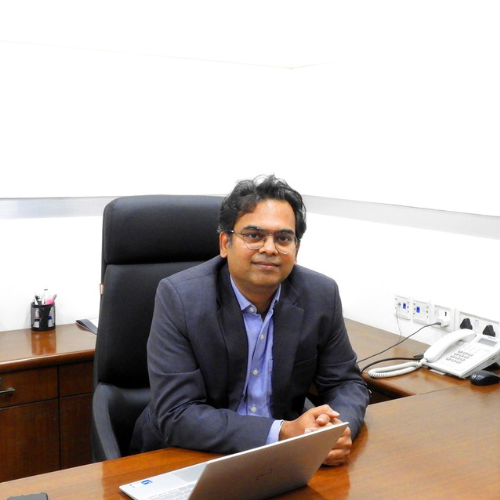
Manish Jaiswal, CEO, Eldeco Group said, "Large-scale infrastructure investments such as the proposed Shahberi double-decker flyover are essential for supporting the next phase of growth in Greater Noida West. The region has witnessed rapid residential development over the past few years, and improved road infrastructure will ensure that this growth remains sustainable. Better connectivity between Greater Noida, Ghaziabad and Delhi will enhance daily commuting, encourage commercial activity and make the area even more attractive for homebuyers and investors. We believe such transformative infrastructure projects will accelerate planned urban development while creating stronger long-term value for both residents and the real estate ecosystem."
The proposed double-decker flyover is expected to play an important role in the future growth of the real estate market in Greater Noida West, Shahberi, and Crossings Republik. Improved connectivity, reduced travel time, and seamless access to Noida, Ghaziabad, Delhi, and the Delhi-Meerut Expressway are likely to enhance the attractiveness of these locations for both homebuyers and investors. As commuting becomes more convenient, demand for residential properties is expected to remain steady, while improved accessibility may also encourage the development of retail spaces, offices, educational institutions, and healthcare facilities. With infrastructure development continuing alongside urban expansion, the region is well positioned for sustained real estate growth, improved livability, and long-term appreciation in property values.
Cover Image- zeenews.india.com