
Purchasing a home has always been an act of faith, particularly if one is buying a building that is not yet constructed. Up until today, people who buy apartments only have a small number of photographs and floor plans to give them a picture of their future home. Although these things are helpful, there are still a lot of questions that remain unexplained.
That is no longer the case now.
With the advent of 3D visualization, real estate developers can provide clients with a better sense of what they are buying even if the building is not yet constructed. People do not only get to imagine their future homes but are provided with the opportunity to explore their properties even before buying them.
The modern 3D software allows real estate developers to make virtual copies of buildings. In addition to viewing apartments and other amenities in the buildings, people are allowed to explore the clubhouse, gardens, and other amenities in 3D environment, as well as see the way light enters their apartments during any time of the day.
From the point of view of developers, it has turned into an efficient promotional instrument. First of all, it allows delivering the concept in a clear and comprehensible manner.
This is especially important when it comes to under construction real estate. Since it is not possible to see a building, 3D visualization fills the gap and allows buyers to have a better understanding of the project in question.
One more advantage of 3D technology is its ability to accelerate the decision-making process. Once it becomes possible for customers to see how an apartment will look like, including common areas and a neighbourhood, it becomes easier for them to decide about buying the property. Also, it becomes easier for the families to choose between layouts, to estimate room sizes and to imagine how the rooms are connected to each other.
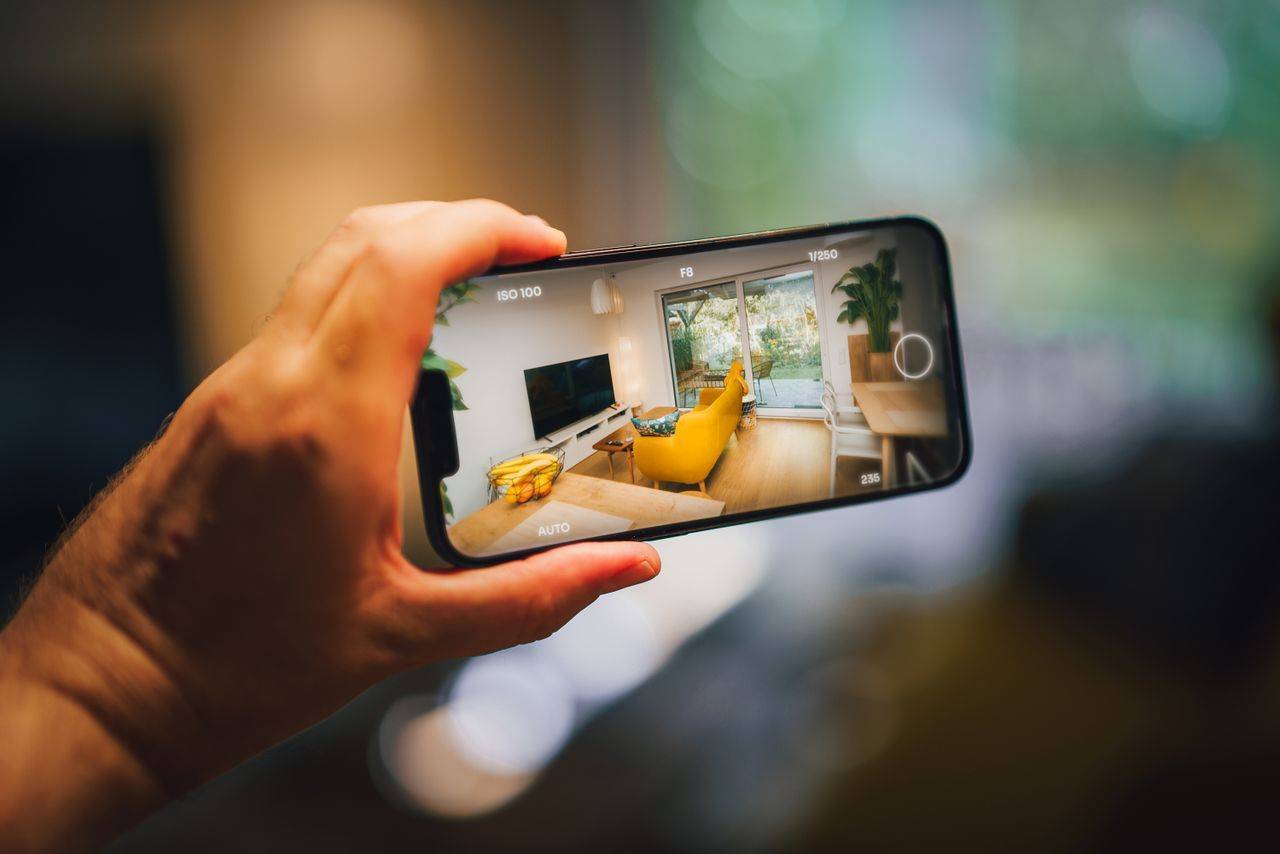
Today, thanks to technological progress, 3D visualization has become much more interactive. Virtual reality (VR) and augmented reality (AR) technologies allow seeing apartments in 3D by means of headsets or even smartphones. Some online systems allow choosing interior design options including wall colours, floor coverings, furniture, or kitchen finishing materials.

Mohit Gurjar, Founder, BrainWing Innovations says, "At BrainWing, we've seen 3D visualization evolve from being a marketing asset to a sales enabler. Buyers no longer want to imagine a project they want to experience it before it's built. High-quality architectural visualization helps developers communicate design intent, lifestyle, and value with clarity, creating confidence much earlier in the buying journey. It shortens decision-making, reduces uncertainty, and empowers sales teams to tell compelling stories even before construction begins. In today's competitive market, projects that create an immersive, emotionally engaging first impression are the ones that capture attention, build trust, and convert interest into bookings long before the foundation is laid."
In addition to selling, visualization in 3D technology is also aiding communication between developers, architects, and customers. There are fewer misunderstandings regarding design changes, and therefore, all participants have the same vision of the building.
With the rise of digital technologies, customer demands and expectations are changing. The current generation of clients requires more transparency and information when buying a house that will become the largest investment of their life. Thus, developers should use modern means of visualization and show the future project to the clients, thereby gaining their trust.
As the competition in the real estate market is growing nowadays, 3D visualization is becoming not only a marketing tool but also an essential way of telling the story of a project to the buyers before the building process starts. With 3D visualization, developers can present their projects and build confidence of the buyers to invest into their buildings.