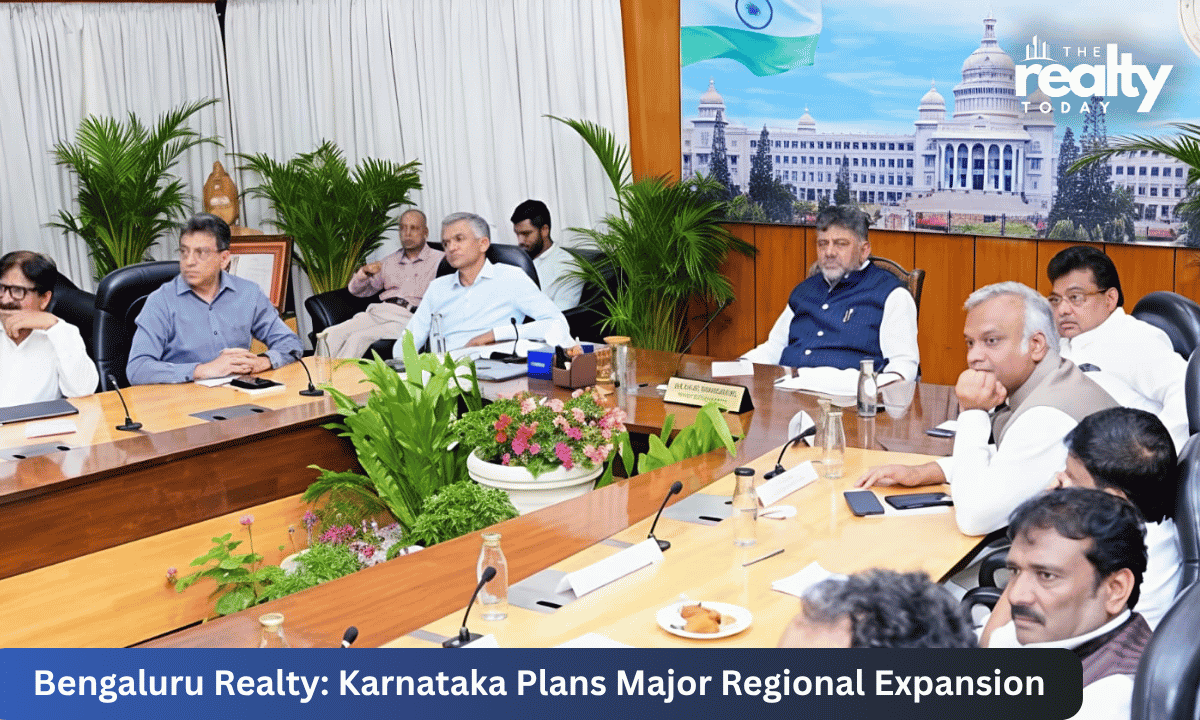
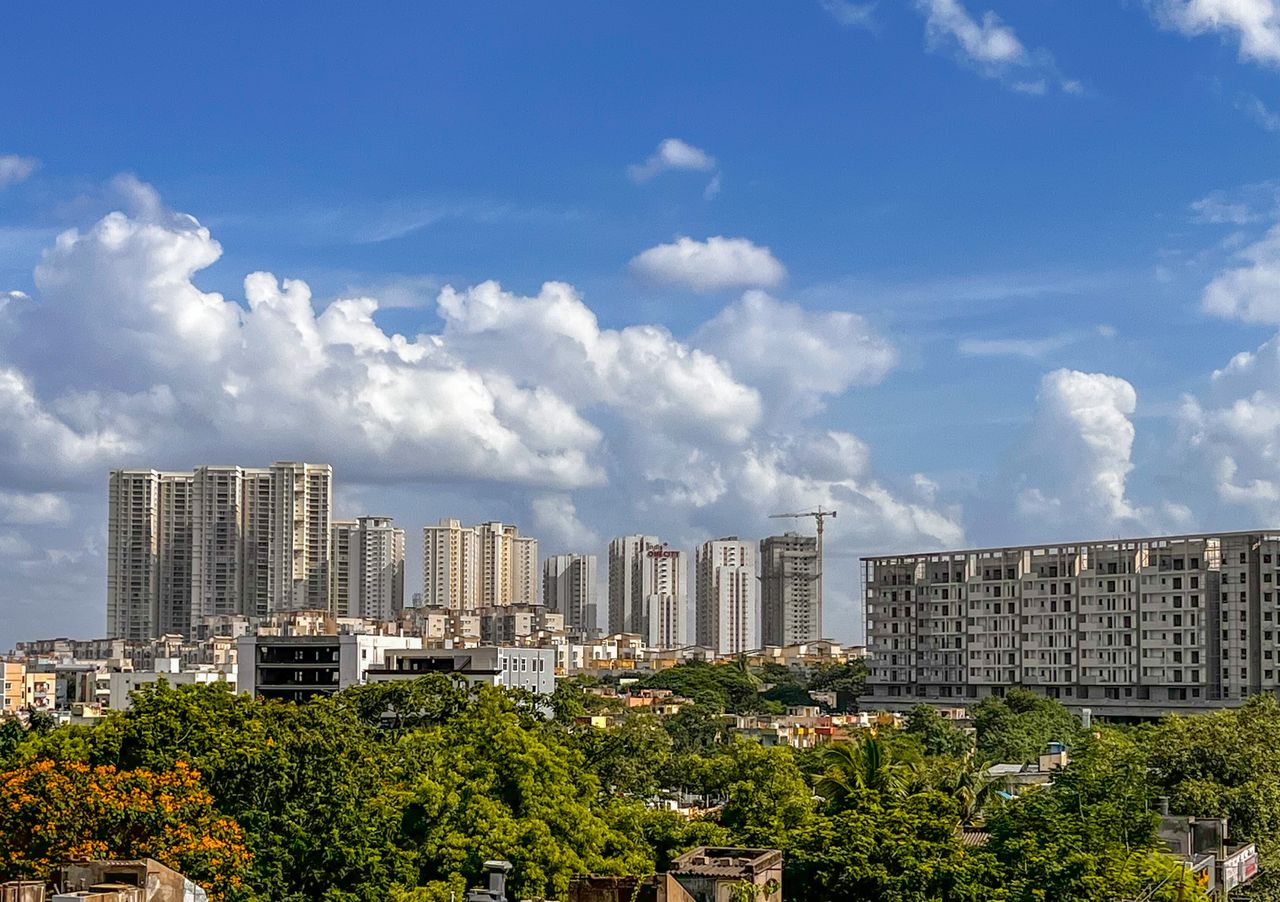
Karnataka is preparing an integrated 10–15 year development plan for areas under the Bengaluru Metropolitan Region Development Authority (BMRDA), Chief Minister D K Shivakumar has said. The blueprint focuses on connectivity, housing, water supply and industrial growth across the Bengaluru Metropolitan Region (BMR), with potentially major implications for real estate corridors beyond the city core.
“Comprehensive plans for the next 10–15 years are being prepared to develop areas under the Bangalore Metropolitan Region Development Authority (BMRDA).”
— D K Shivakumar, Chief Minister of Karnataka
He says a strong regional plan is essential to ensure Bengaluru’s growth is “balanced, sustainable and inclusive,” and that coordinated development and infrastructure can create opportunities across the metropolitan region.
Industrial Townships Lead Growth
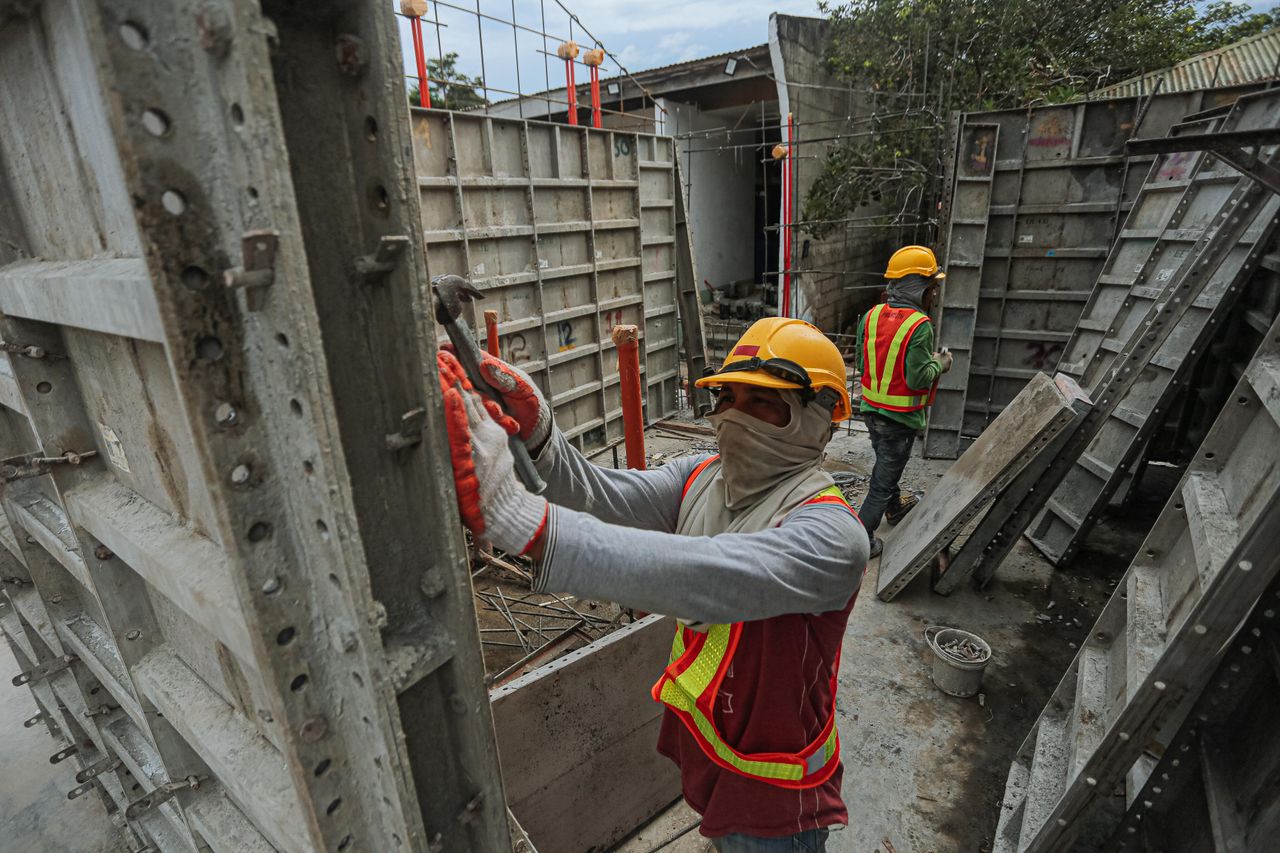
A central proposal is the development of nine integrated industrial townships across the BMR. The state has identified around 13,500 acres for these projects, combining industrial activity with housing, urban services and supporting infrastructure.
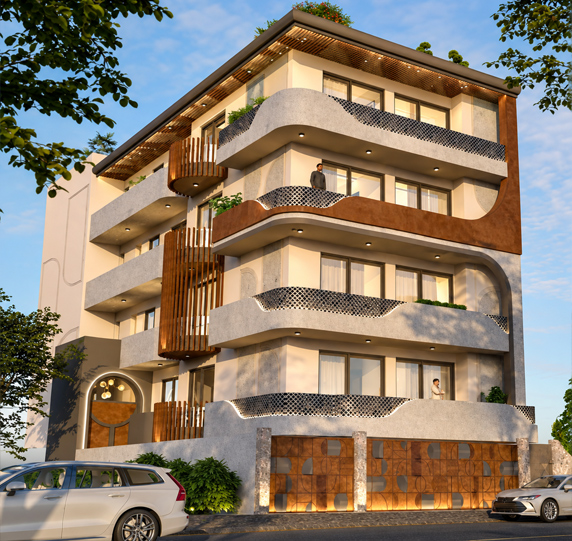
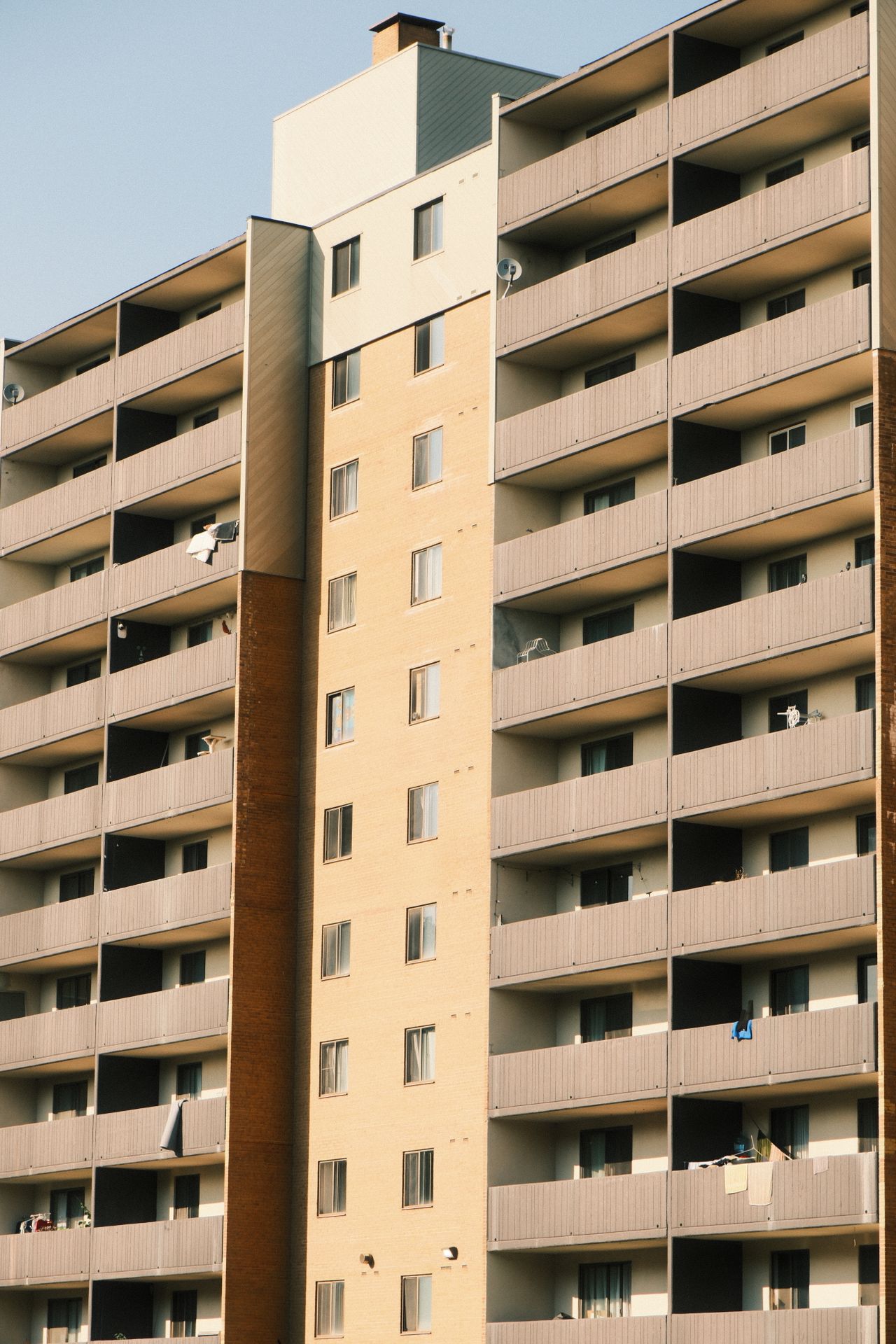
The government has proposed building approximately 6–6.5 lakh homes across the region, including 40,000–50,000 houses for industrial workers. For developers, this could create demand for affordable housing, rental housing, plotted development and mixed-use projects near upcoming employment hubs.
Karnataka is also planning an AI City modelled on Singapore’s Punggol, along with land identification for an AI university. These initiatives may strengthen Bengaluru’s technology-led employment base and support long-term residential and commercial demand.
Connectivity Could Unlock Corridors
Transport is a key pillar of the proposed plan. The government has discussed expanding the Metro network by 312 km by 2037, adding 72 km of suburban rail connectivity, and developing a 270-km Regional Rapid Transit System (RRTS) across the Bengaluru–Tumakuru, Bengaluru–Mysuru and Bengaluru–KGF corridors.
A 210-km ring road linking 10 additional hubs and connecting Peripheral Ring Road Phase 2 with NICE Road has also been proposed. Improved regional mobility could make peripheral locations more viable for homebuyers, provided project execution, last-mile connectivity and civic infrastructure keep pace.
Realty Impact
For Bengaluru real estate, the plan signals a shift towards a more distributed growth model. Industrial townships, worker housing and transit expansion may open new residential and commercial corridors, particularly along the proposed Metro, suburban rail and RRTS alignments.
The state’s broader target is a $1 trillion economy by 2047, with an interim target of $400–420 billion by 2037. If the BMRDA-area master plan moves from proposal to delivery, it could reshape land values, housing supply and investment activity across Bengaluru’s expanding metropolitan region.