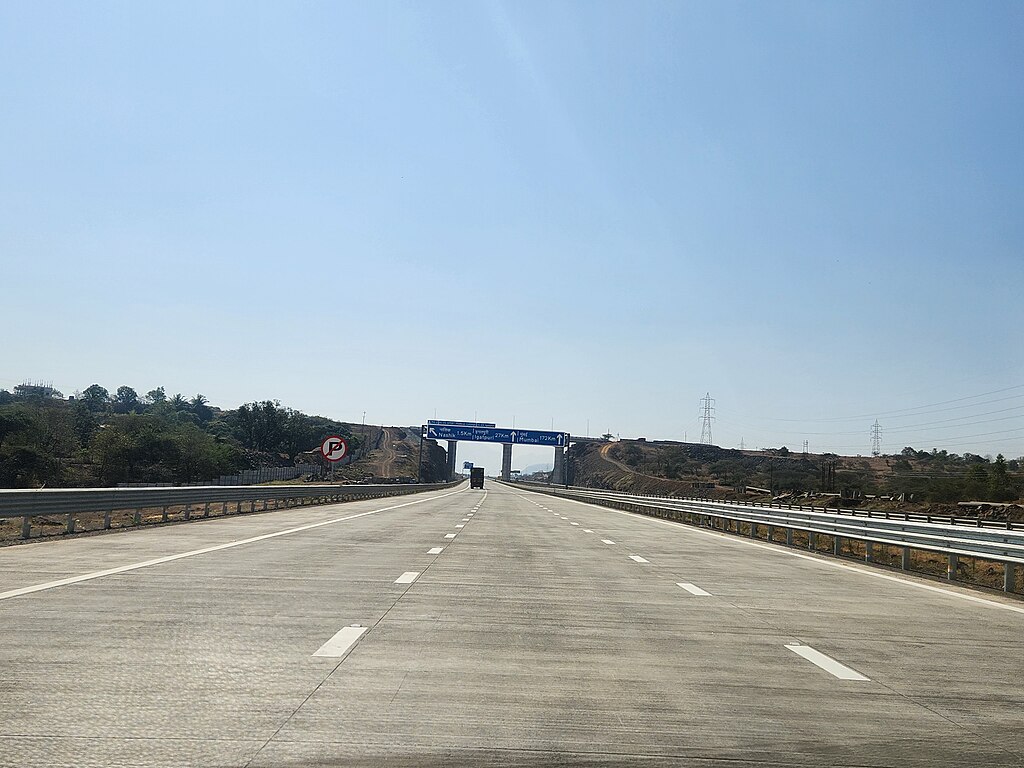
Mumbai, the bustling financial capital of India, is undergoing a transformation. By 2025, a series of ambitious infrastructure projects will redefine the city’s skyline, improve connectivity, and enhance the quality of life for millions of residents. These projects, focused on transportation, housing, and urban development, are designed to address the challenges posed by rapid urbanization and ensure sustainable growth.
This is more than just infrastructure, it’s about reclaiming time lost in traffic jams, creating cleaner and greener neighborhoods, and offering Mumbaikars a lifestyle that matches the aspirations of a global metropolis. For years, these projects have been symbols of hope and resilience for the city. Now, as they inch closer to completion, Mumbai’s dream of becoming a world-class city is finally within reach.
Here’s a closer look at ten major projects that are set to transform the city's travel and urban scene in 2025:
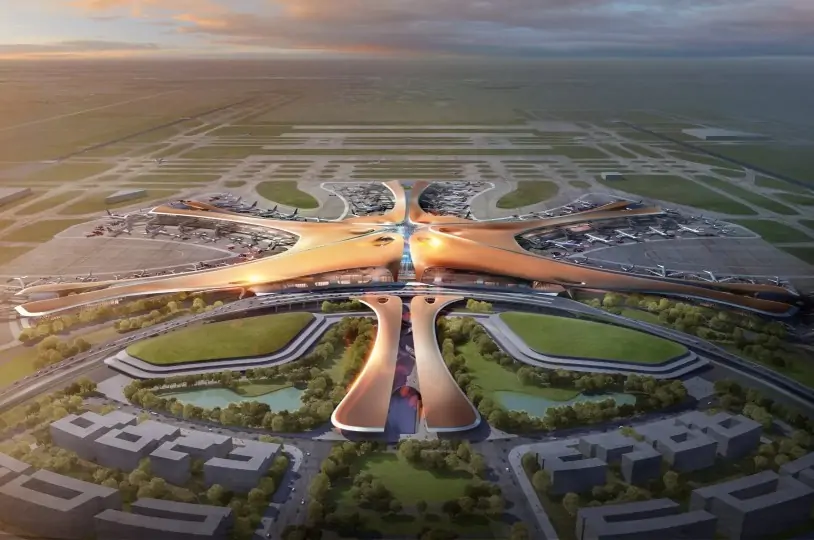
1. Navi Mumbai International Airport
Source: belmac.in
Opening Timeline
- Inauguration: April 17, 2025.
- Phase 1 Operations: Domestic flights from May 2025, international flights by July 2025.
Key Features
- Two parallel runways allowing independent aircraft operations.
- Terminal 1 is designed to handle 20 million passengers annually.
- Parking capacity for 350 aircraft and full-length taxiways.
- Future Phase 2 to add Terminal 2, expanding passenger capacity to 60 million annually.
- Strategically located near the Mumbai-Pune Expressway for seamless access.
Impact
The new airport will alleviate congestion at Chhatrapati Shivaji Maharaj International Airport, improve domestic and international air travel connectivity, and drive regional economic growth. It will reduce logistics costs for industries and enhance India’s standing as a global aviation hub.
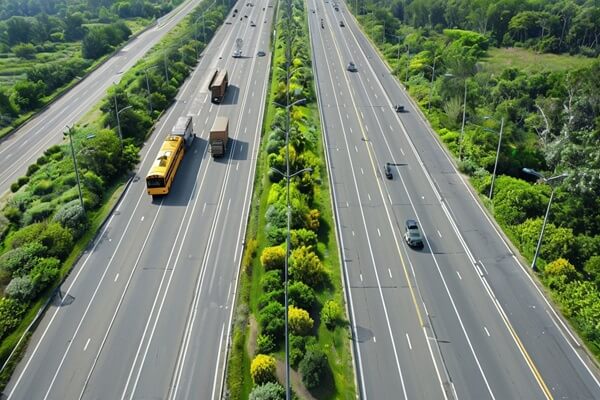
2. Mumbai-Pune Expressway Missing Link
Source: mytravelfix.com
Opening Timeline
- Project Completion: Expected by June 2025 (now anticipated to be completed by August 2025)
- Operational Date: Link road to be fully functional in sync with Navi Mumbai International Airport’s opening.
Key Features
- 13.3-km link road bypassing Lonavala town to cut travel time significantly.
- Includes 1.7 km of tunnels and two cable-stayed bridges (840 meters and 650 meters).
- Shortens Pune-Mumbai Expressway by 6.5 km, bypassing a 19.8-km stretch from Khopoli to Kusgaon.
- Equipped with advanced safety systems like ITMS and emergency medical services.
- Rs 6,595-crore project designed for a “zero fatality corridor.”
Impact
The link road will significantly cut Pune-Mumbai travel time to just two hours while enhancing connectivity to Navi Mumbai International Airport. It will alleviate congestion, improve safety in the Lonavala ghat section, and boost efficiency for commuters and industries.
3. Samruddhi Mahamarg
Opening Timeline
- Full Completion: Remaining section to open by March 2025.
- Phases Completed:
- Phase 1 (Nagpur to Shirdi): Opened in December 2022.
- Phase 2 (Shirdi to Bharvir): Opened in May 2023.
Key Features
- 701-km expressway connecting Mumbai and Nagpur, reducing travel time from 16 to 8 hours.
- Infrastructure supports high-speed travel up to 150 kmph.
- Includes advanced safety features such as wildlife underpasses, flyovers, and pedestrian crossings.
- Tunnels adorned with cultural themes like Warli art, Vipassana meditation, and Maharashtra’s farming and tourism heritage.
- 10 public utility areas planned, featuring petrol stations, eateries, and rest stops.
Impact
The expressway will cut travel time between Mumbai and Nagpur to eight hours, promote tourism, and drive economic and real estate growth. Its modern design preserves cultural heritage while enhancing Maharashtra’s infrastructure.
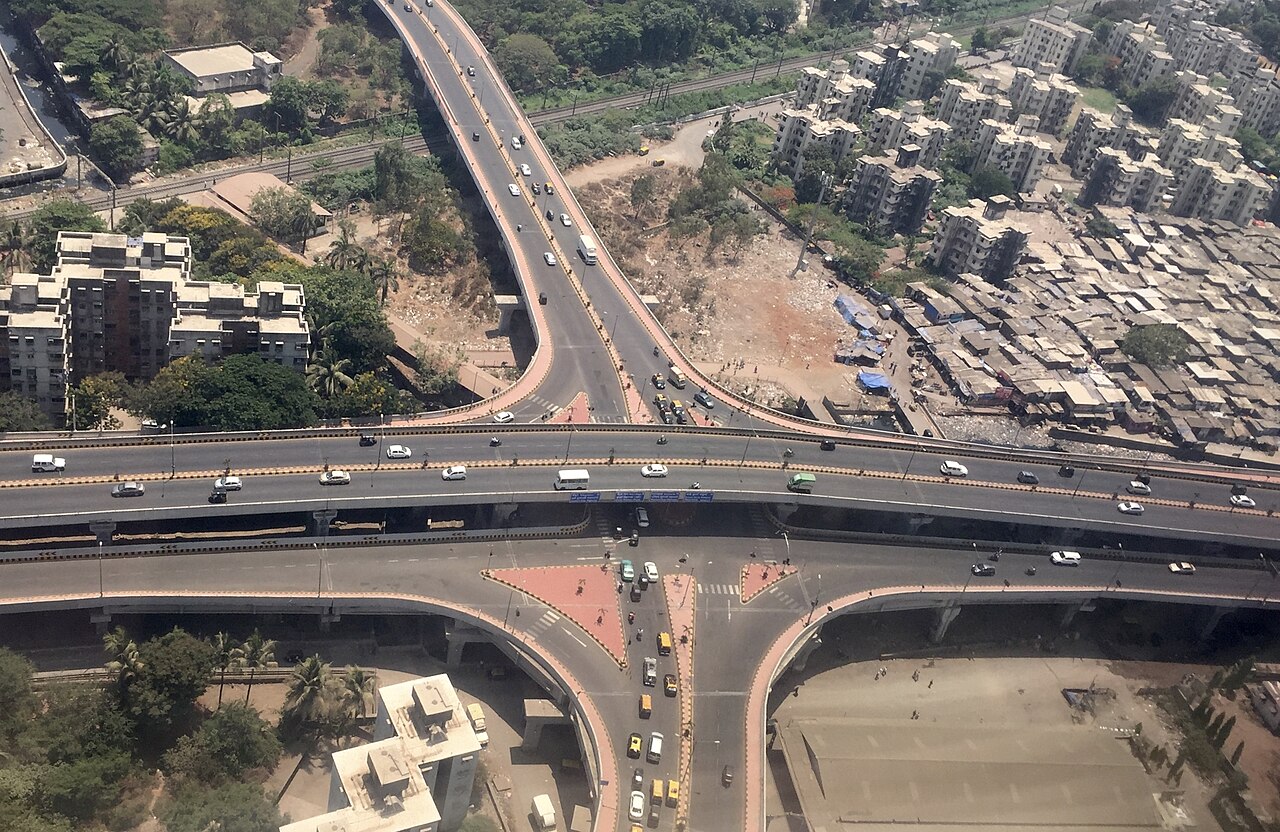
4. Santacruz-Chembur Link Road (SCLR) Extension
Source: Wikipedia
Opening Timeline
- Completion: Expected by January 1, 2025.
- Final Stage: Remaining 100 meters of suspension span installation pending traffic police approval.
Key Features
- 4.2-km extension of the Santacruz Chembur Link Road (SCLR) connecting Kapadia Nagar to Panbai International School.
- Includes a cable-stayed bridge with suspension cables and road surfacing.
- Major junctions: Vakola Junction, Ambedkar Chowk, University Junction, and BKC Junction.
- Will significantly reduce traffic congestion and improve connectivity between Kurla and the elevated road at Vakola.
- Delayed by land acquisition issues, with BMC paying Rs 16 crore for defense land acquisition.
Impact
The SCLR extension will greatly improve connectivity between key areas like Kurla, BKC, and Vakola, while reducing travel time and congestion in Mumbai’s crowded urban zones. This long-awaited project fills critical gaps in the city’s transportation network. It will improve travel efficiency and strengthen the overall road infrastructure in Mumbai.
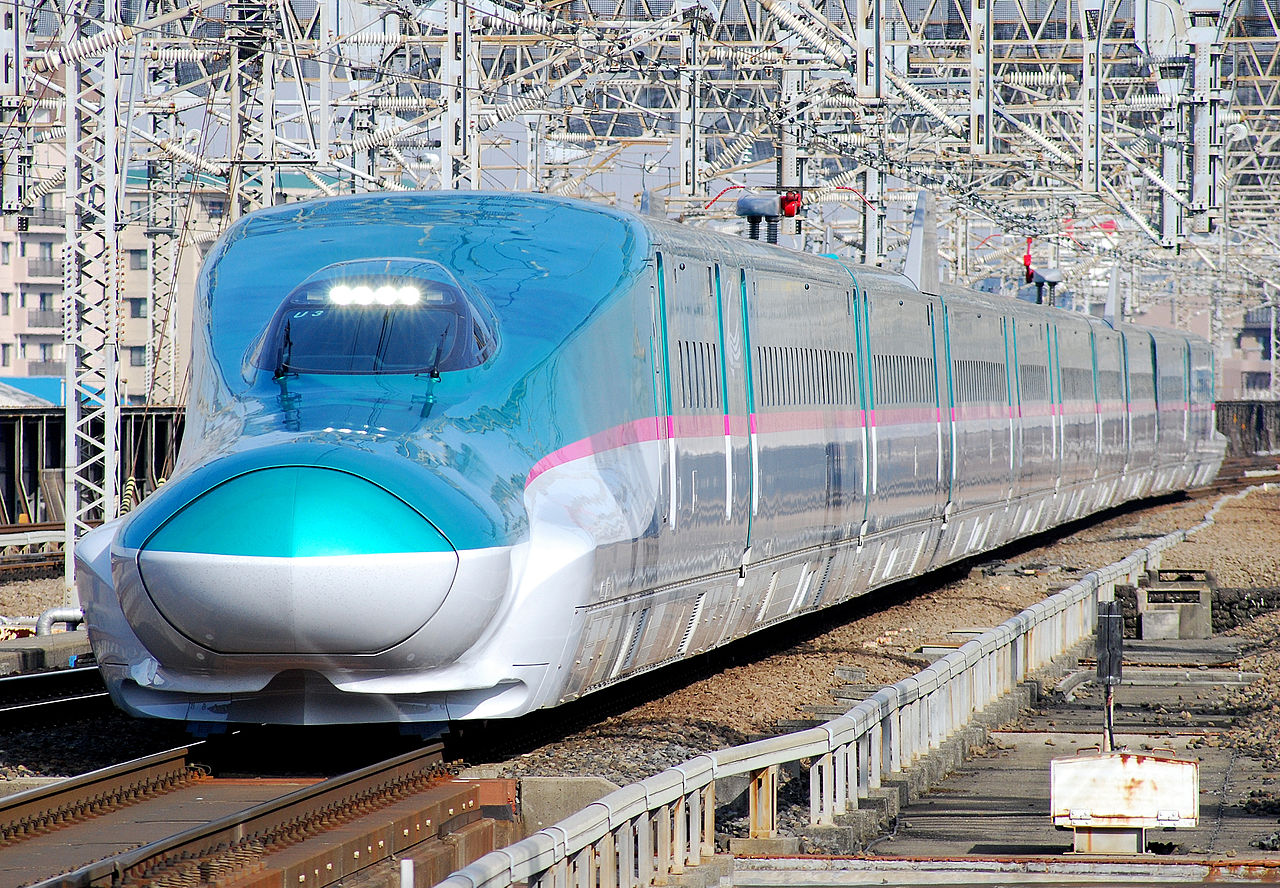
5. Mumbai-Ahmedabad Bullet Train Project
Source: Wikipedia
Opening Timeline
- Indian Bullet Train: Between 2030 and 2033 at 280 kmph
Key Features
- Corridor: 508 km between Mumbai and Ahmedabad.
- Speed: Indian Bullet Train at 280 kmph, Shinkansen at 320 kmph.
- Services: Rapid (2 hours 7 minutes) and slower (2 hours 58 minutes) options.
- Capacity: 1,300–1,600 passengers per train.
- Manufacturing: Indigenously built Bullet trains by BEML at Rs 27.86 crore per coach.
Impact
The high-speed bullet train will reduce travel time between Mumbai and Ahmedabad to just over two hours, revolutionizing intercity travel. It is expected to boost regional connectivity, employment opportunities, and economic growth. With indigenous manufacturing, it also sets the stage for future high-speed rail networks across India.
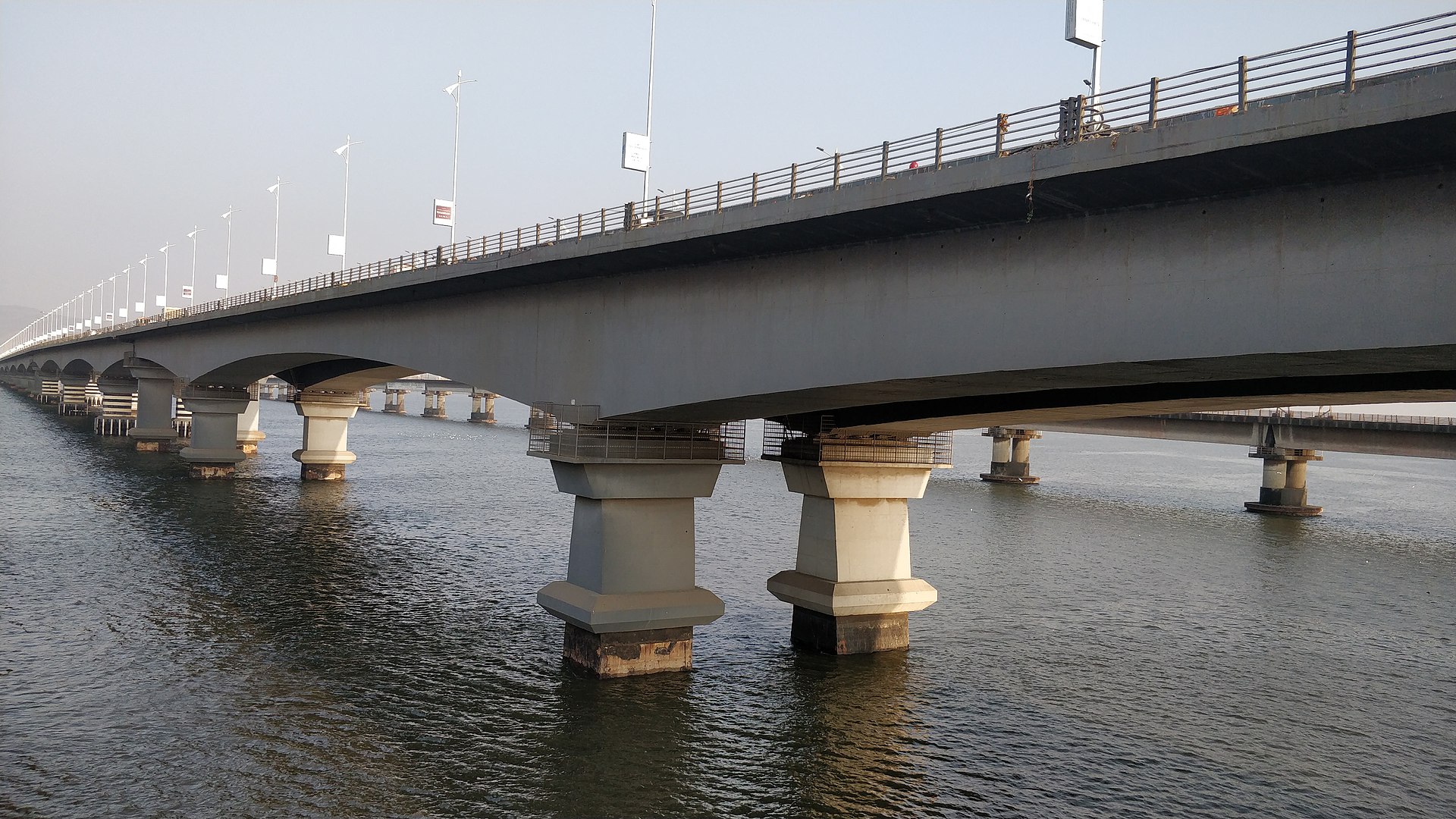
6. New Vashi Creek Bridge
Source: Wikipedia
Opening Timeline
- Completion Date: Expected to open by February-end, 2025.
Key Features
- The Mumbai-bound section is part of a ₹559 crore project awarded to Larsen & Toubro.
- The new bridge spans 3.14 kilometers, located alongside the existing 1997 bridge.
- The bridge features six lanes, increasing the total capacity of the creek crossing to 12 lanes (six in each direction).
- Final works include installation of crash barriers, expansion joints, lighting, and electrical systems.
Impact
The six-lane bridge will enhance traffic flow across the Vashi corridor, handling 64,300 vehicles daily. It will ease congestion between Greater Mumbai and Navi Mumbai, making commutes smoother and more efficient. This critical infrastructure upgrade will significantly improve daily travel for residents and businesses alike.
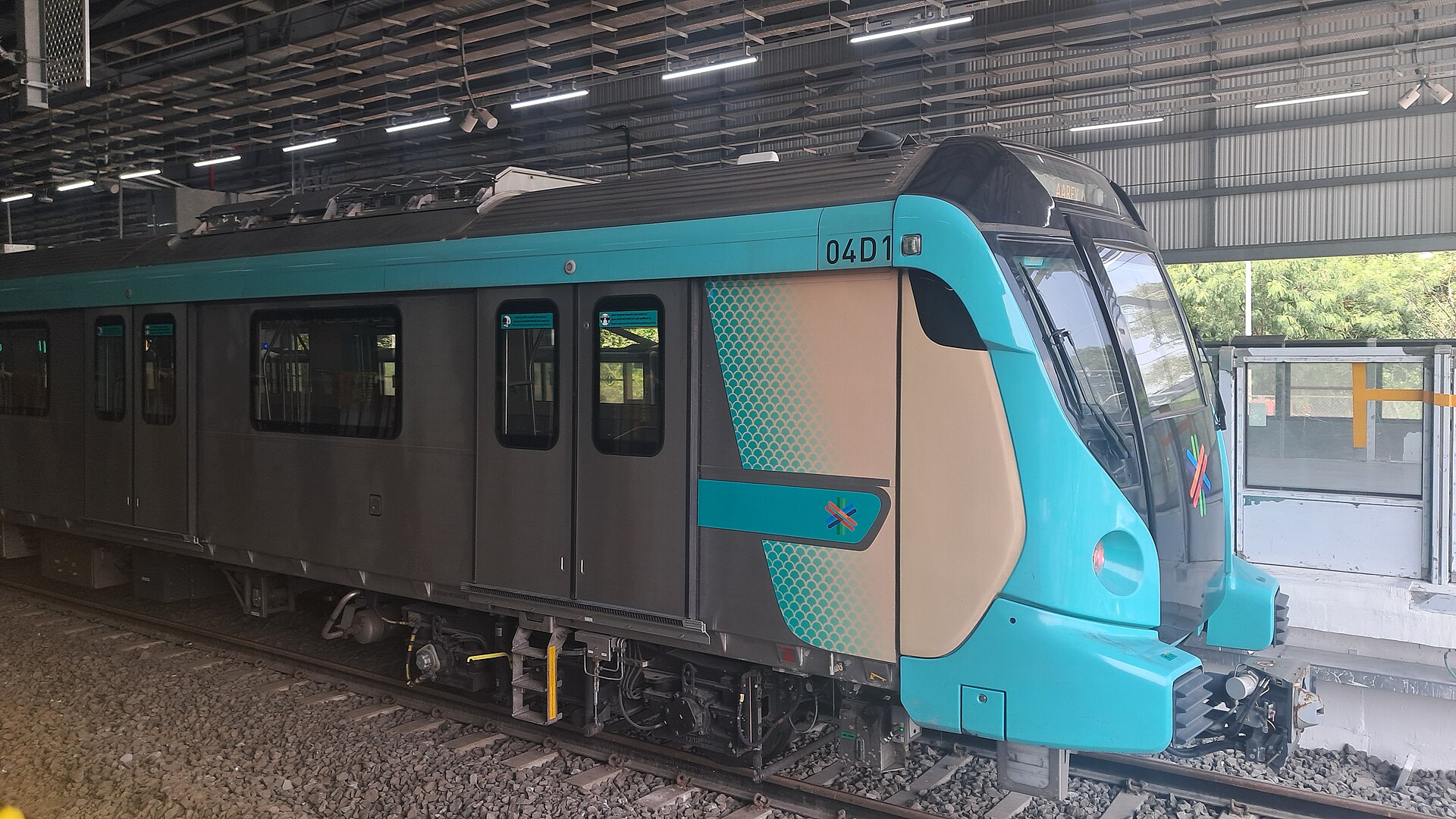
7. Metro Line 3: Aqua Line
Source: Wikipedia
Opening Timeline
- Inauguration: Expected to commence operations by May 2025.
- Phase 1: Operational since October 7, 2024, connecting Aarey Colony to Bandra Kurla Complex (BKC).
Key Features
- Metro 3 Aqua Line is a 33.5-km-long underground corridor with 27 stations, 26 of which are underground.
- Phase 2 connects BKC to Cuffe Parade, with construction 90% complete.
- Stations include major locations like Cuffe Parade, Vidhan Bhavan, CST Metro, Mahalaxmi, Worli, Dadar, Dharavi, and BKC.
- A temporary walkway will be constructed to link the Metro 3 station at T2 with Chhatrapati Shivaji Maharaj International Airport.
Impact
Metro Line 3 will improve connectivity between major business hubs like BKC, Cuffe Parade, and the airport, reducing travel times and easing congestion. Its seamless travel options will enhance daily commutes for thousands of passengers. By extending the metro network’s reach, it contributes to Mumbai’s sustainable urban development.
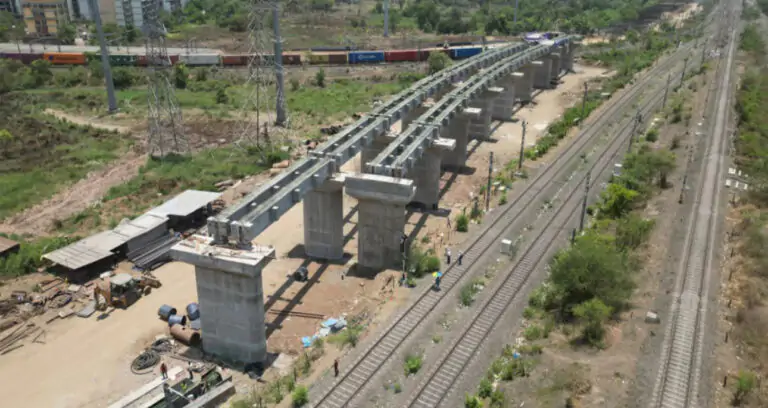
8. Panvel-Karjat Suburban Railway Corridor
Opening Timeline
- Inauguration: Expected by the end of 2025.
- Phase 1: Panvel to Neral operational by early 2025.
- Phase 2: Full corridor ready by mid-2025.
Key Features
- 29.6 km line connecting Panvel to Karjat with five stations.
- Double-line track and three tunnels spanning 3,100 meters.
- Reduces travel time from over two hours to just over one hour.
- Includes bridges, flyovers, and modern station facilities.
Impact
The corridor will reduce travel times from over two hours to just over one hour, providing faster, safer travel for suburban commuters. It will ease congestion, improve connectivity, and boost real estate development in Panvel and Karjat. This project is set to drive economic growth in the region while improving suburban transportation.
9. Mumbai Coastal Road Project
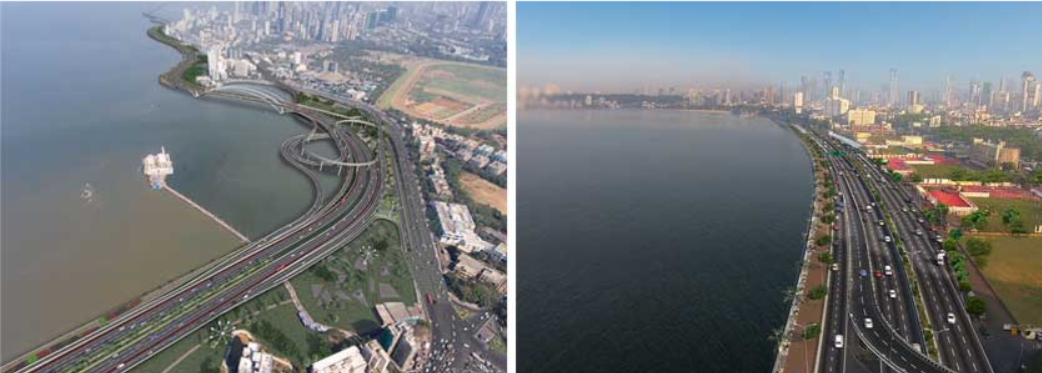
Source: mcgm.gov
Opening Timeline
- Second arm of the bow-string bridge: Opens by January 26, 2025.
- Phase 1 completion: Stages inaugurated from March to July 2024.
- Phase 2 approval: Received from MoEFCC, work to start soon.
Key Features
- Bow-string bridge: Longest of its kind in India, spanning open sea.
- Phase 1: 10.58 km from Marine Drive to Worli, with eight interchanges.
- Phase 2: 22.93 km from Versova to Dahisar with bridges, flyovers, and tunnels.
- Interchanges: Includes Haji Ali to Marine Drive and Worli to Lotus Jetty Junction.
Impact
The coastal road will improve traffic flow and reduce travel times between key locations like Marine Drive, Worli, and Bandra. It will enhance urban mobility, ease congestion, and drive economic growth by promoting real estate and urban development. This transformative project supports Mumbai’s aspirations of becoming a world-class city.
10. Airoli-Katai Naka Tunnel Road
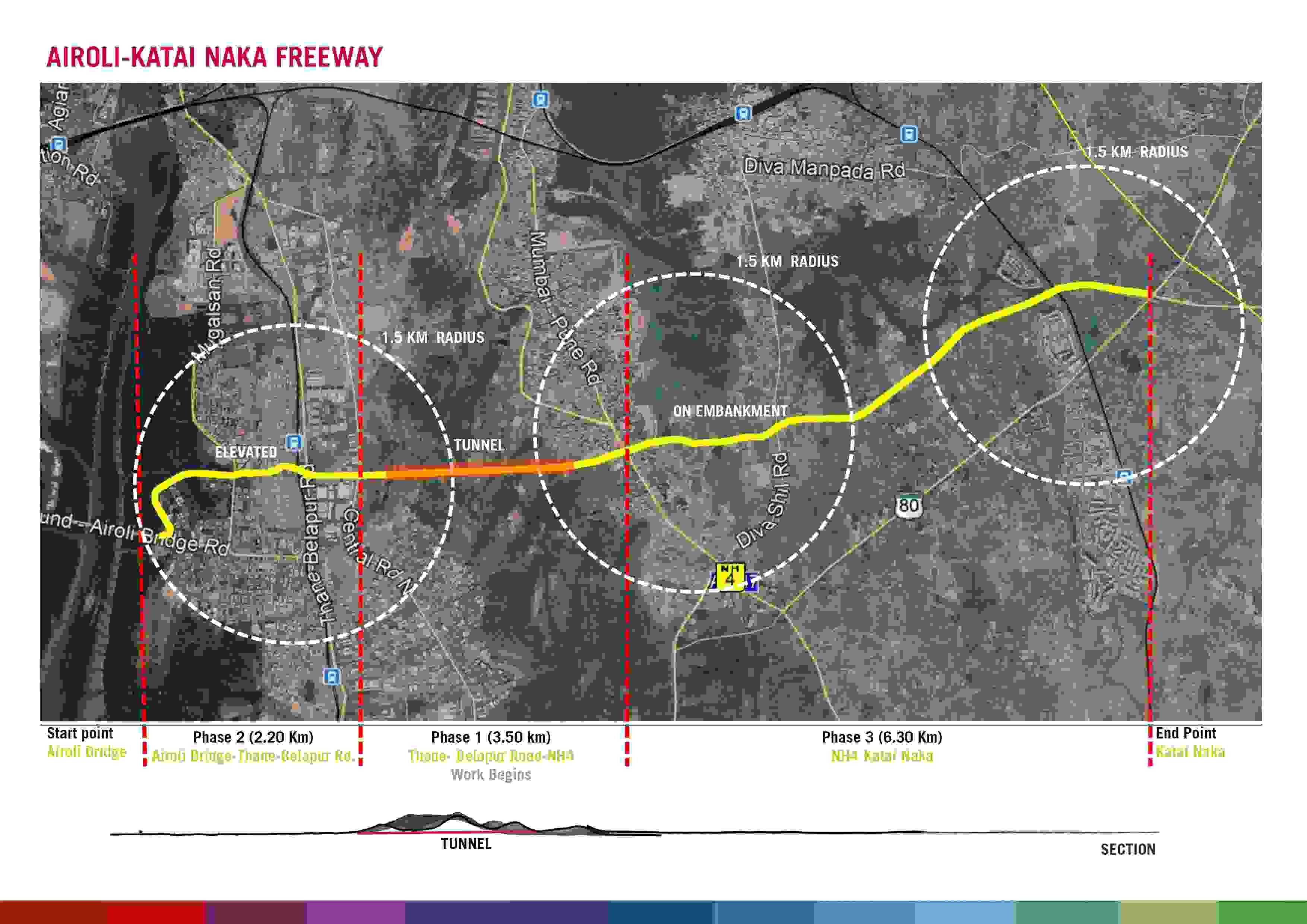
Source: X
Opening Timeline
- Phase 1 Completion: Expected to open by October 2025, with 90% of work completed.
- Phase 2 Completion: 75% complete, with the remaining work anticipated to finish by October 2025.
- Phase 3 Start: Preliminary work, including surveys, begins soon; construction to take 48 months.
Key Features
- Total Length: 12.3 km, connecting Airoli in Navi Mumbai to Katai Naka in Kalyan.
- Phase 1: 3.43 km, including a 0.94 km elevated road and a 1.68 km twin tunnel (4+4 lanes).
- Phase 2: 3+3 lane elevated road from Airoli Bridge to Thane Belapur Road.
- Phase 3: 6.71 km elevated road connecting NH-4 to Katai Naka, with a contract cost of Rs 1,981 crore.
- Connectivity: Links Mulund-Airoli Bridge, Thane Belapur Road, NH-4, and Kalyan-Shilpata Road.
Impact
The tunnel road will cut commute times by up to an hour and reduce congestion on major routes, offering a smoother travel experience for daily commuters. It will drive real estate and industrial growth while promoting sustainability by reducing fuel consumption. This project will reshape connectivity and urban development in the region.
As Mumbai accelerates toward becoming a world-class city, the completion of these transformative projects promises to redefine urban living for its residents. From cutting-edge transportation systems and seamless connectivity to sustainable urban development, these initiatives aim to tackle the city’s growing challenges while enhancing the quality of life. By 2025, the city’s skyline, commute times, and lifestyle aspirations will reflect its resilience and readiness to embrace a modern, sustainable future. Mumbai is not just building infrastructure, it’s building hope, efficiency, and progress for generations to come.