
The plotted development story in India looks very different today than it did a few years ago. What was once seen largely as fragmented land parcels or a space driven by speculative buying is now taking a very different shape. Buyers are no longer just looking at plots as an investment for the future; they are paying equal attention to the kind of life that comes with it.
Today, developers are creating planned communities across cities like Delhi-NCR, Pune, Bengaluru and Hyderabad. In this way, they are moving beyond selling land and are creating planned communities built around everyday living. So now, the larger offering includes green spaces, wellness-focused amenities, better infrastructure and a stronger sense of community. These projects are rising in demand as they are being designed to offer complete ecosystems where lifestyle needs matter as much as home itself.
Apart from that, shifting buyer expectations and a growing preference for less crowded, low-density living is also driving this demand. With land transactions across the country reflecting steady momentum, developer interest in the segment continues to remain strong, according to an ANAROCK report.
The momentum has been visible across major cities. In 2025, Mumbai Metropolitan Region (MMR) saw the highest level of land transactions among the top seven cities, with more than 500 acres changing hands across 32 deals. Bengaluru also remained a strong market, recording over 454 acres across 27 deals, highlighting the growing interest in land-led development opportunities. Delhi-NCR, Hyderabad and other emerging urban centres have also witnessed strong momentum, supported by infrastructure upgrades, improving connectivity and growing end-user demand for planned communities.
Interestingly, even as land prices continue to rise sharply in these markets over the past few years, developers are still actively chasing opportunities in high-growth corridors.
The reason is that plotted developments are becoming increasingly attractive from a business perspective as well. When compared to conventional high-rise projects, they mostly have shorter completion timelines and offer stronger returns. This gives developers the flexibility to scale faster while keeping pace with changing buyer preferences.
This shift is visible across multiple regions. In Delhi-NCR, developers are introducing plotted communities built around lifestyle-driven amenities, green spaces and integrated infrastructure. NeoLiv, an institutional investor-backed residential platform, is building communities designed around lifestyle and thematic planning. Its NeoLiv Township in Greater Faridabad introduces golf-inspired amenities within a plotted environment, while NeoLiv Grand Park in Kundli, Sonipat integrates a three-acre urban forest and community infrastructure within a 20-acre development. The company has simultaneously expanded its plotted portfolio into emerging markets through acquisitions and planned launches across Tier-II cities.

Mohit Malhotra, Founder and CEO, NeoLiv, said: "In the NCR real estate landscape, plotted developments have once again emerged as the preferred choice for both homebuyers and investors. This trend is particularly visible in Tier-2 cities across Haryana, with Sonipat and Faridabad standing out as the strongest plotted markets. Sonipat’s growth along the expanding Delhi–Kundli corridor, coupled with enhanced expressway connectivity and upcoming economic clusters, is driving significant interest from buyers seeking both value and future-ready living. Faridabad, on the other hand, is witnessing a marked rise in demand due to transformative projects such as the FNG Expressway, expanded metro links, and the expressway connectivity to the upcoming Jewar Airport all of which are repositioning the city as a high-potential investment hub.”
A similar trend can be seen in Hyderabad and other emerging urban hubs, where plotted developments are increasingly being planned as integrated ecosystems rather than standalone land parcels. This momentum has encouraged a new generation of branded developers such as Stonecraft Group, NeoLiv, Hero Realty, and Tribeca Developers to expand their presence in the category.
One of the developers reflecting this shift is Stonecraft Group, which is taking a different route by bringing nature and design closer together in plotted communities. Its Hyderabad project, Woods Shamshabad, spreads across 60 acres and features 110 residential plots set within a green environment of nearly 4.5 lakh trees, including an 18-acre Miyawaki forest.
The project sits close to Rajiv Gandhi International Airport and benefits from strong connectivity through the Outer Ring Road. More than just location advantages, it shows how plotted developments today are being planned with a larger focus on green spaces, everyday liveability and long-term value rather than land alone.
The company’s Woods Indresham project similarly combines plotted living with community-focused design through a dedicated mango orchard, Miyawaki forest and extensive open green spaces. The appreciation in project values and demand for nature-integrated developments mirrors broader market confidence in Hyderabad’s plotted segment and reflects how buyers increasingly seek experiences rather than standalone plots.
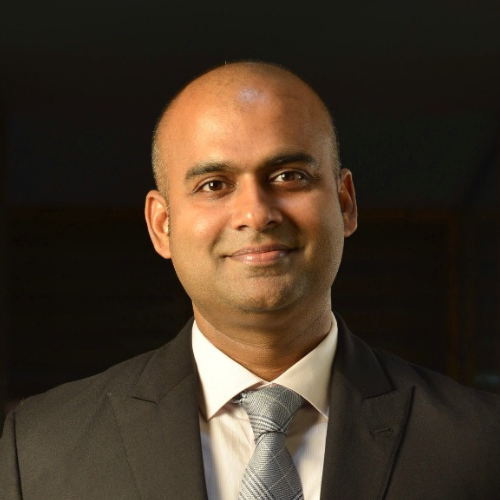
Kirthi Chilukuri, Founder and Managing Director, Stonecraft Group, said: "At Stonecraft Group, we believe a home should be more than just a built space. It should feel connected to its surroundings and the way people want to live today. Woods Indresham has been planned with features like a mango orchard, a Miyawaki forest and large green spaces to bring people closer to nature. We see plotted developments moving beyond land ownership and becoming communities that focus on better living, connectivity and sustainability."
The evolution of the segment is also visible in western India. Tribeca Developers has entered the category through the launch of Tribeca Estates, a dedicated vertical focused on plotted developments, branded villas and hospitality-led real estate. The company is currently negotiating five projects spanning over 300 acres across the Mumbai–Pune corridor.
Through Tribeca Estates, the developer plans to bring its experience in design and luxury living to the plotted development segment. The idea is to create well-planned communities that offer the flexibility of owning land while also providing lifestyle-focused amenities. The projects will focus on low-density living, open spaces, wellness features and community infrastructure that support a better quality of life. The move reflects growing demand for trusted and branded plotted offerings as buyers increasingly seek flexibility, open spaces and long-term value within professionally managed ecosystems rather than standalone land parcels.
Dharam Mehta, Managing Partner, Tribeca Estates, said during the announcement of Tribeca Estates: "This is a transformational opportunity. There is a massive demand for trusted, design-forward land development in India. Our goal is to elevate the category by offering beautifully planned communities that combine the flexibility of land ownership with the aesthetic and service standards of luxury real estate."

As more branded players enter the segment, plotted developments are beginning to mirror the evolution previously seen in residential apartments—from standalone products to curated ecosystems. Features such as wellness zones, urban forests, community spaces, walkability and smart infrastructure are becoming standard expectations rather than differentiators.
For India’s next generation of homebuyers, land ownership is increasingly becoming about more than possession. It is becoming about belonging—to a connected, sustainable and experience-led ecosystem. And for developers, the future of plotted development appears less about selling parcels and more about building communities that endure.