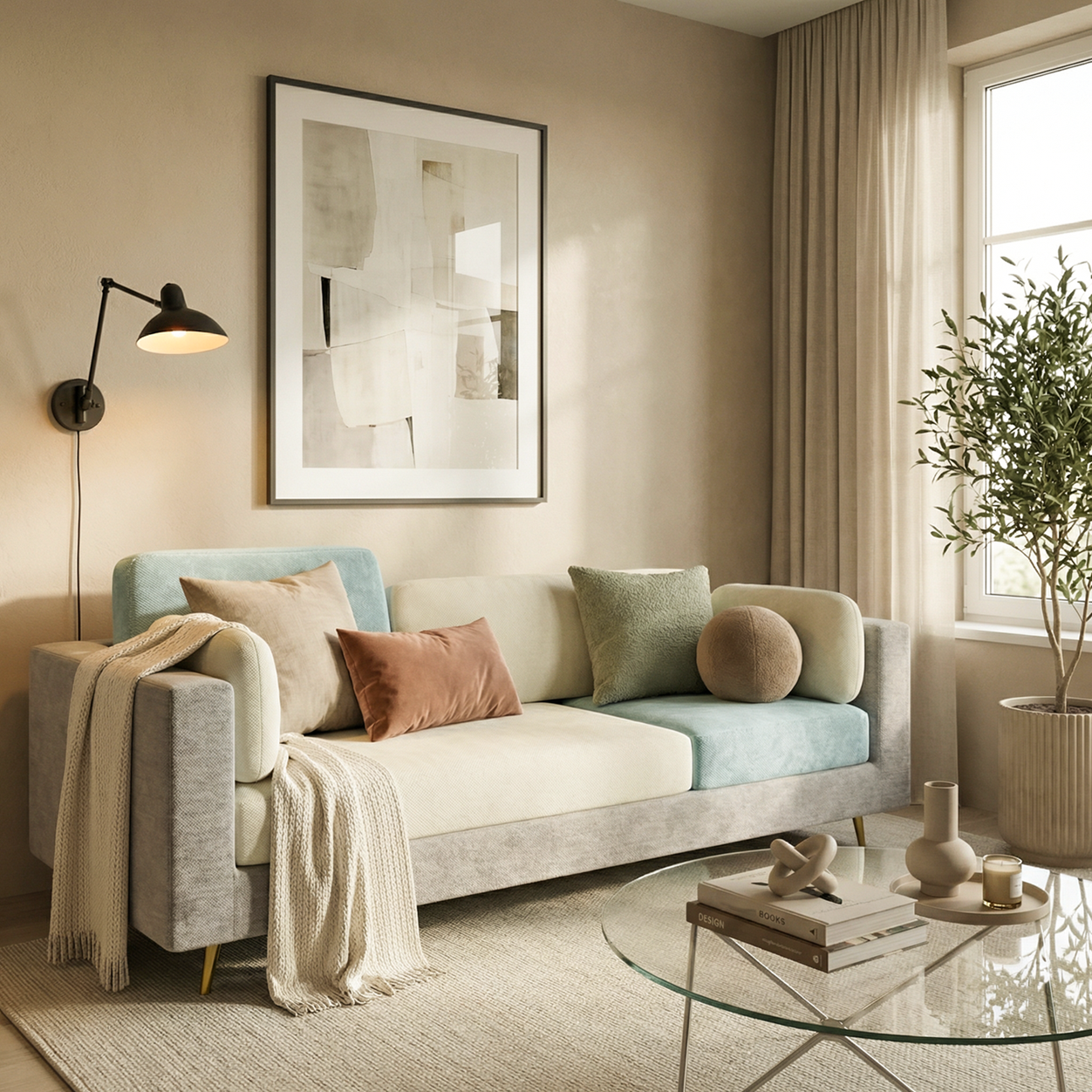
For nearly a decade, grey dominated Indian interiors. Grey walls, grey sofas, grey flooring, and grey kitchens became the default definition of a modern home. The colour was considered elegant, minimal and easy to match with almost any material or furniture style. But in 2026, the mood of Indian homes is changing. Homeowners are moving away from spaces that look perfectly styled in photographs and toward homes that feel warmer, calmer, and more personal in everyday life.
This shift is not simply about replacing one colour with another. It reflects a deeper change in how people want to experience their homes after spending more time indoors and becoming more conscious of comfort, wellbeing and connection to natural materials. Terracotta, clay, rust, teak brown, mustard, sage green and other earthy shades are now emerging as the strongest interior design trend across Indian cities.
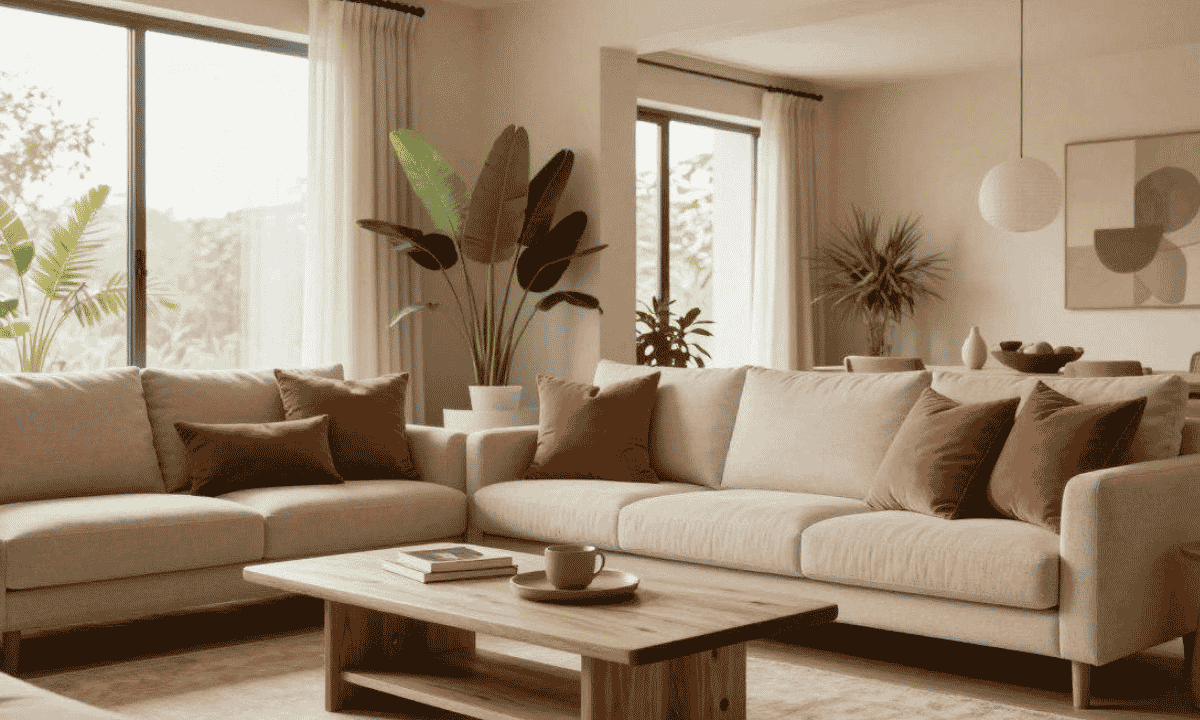
Source: Rossetti Art
Why Grey Is Losing Its Appeal
Grey became popular because it was safe. It created a clean backdrop and worked well with contemporary furniture and lighting. However, many homeowners eventually realised that an all-grey space can feel flat, cold, and emotionally distant, especially in compact apartments where natural light is limited.
Indian homes are not showrooms. They are spaces where families gather, children play, guests visit, and people spend long hours every day. A living room should feel welcoming, and a bedroom should encourage rest and comfort. Grey often struggles to create that sense of warmth. Designers have noticed that homeowners increasingly want colours that add character and softness rather than neutrality alone.
The change is also visible in consumer behaviour. Interest in earthy and terracotta-inspired shades has risen steadily over the last few years, while the popularity of fully monochromatic grey interiors has begun to decline.
What The Data Shows
This is not just a social media trend. Major Indian interior platforms are reporting a clear shift in colour preferences. According to Livspace, terracotta, sage green, mustard, indigo, teak brown, and coconut white are among the leading colours being chosen for Indian homes in 2026, while all-grey palettes are becoming less common.
Design professionals say these colours perform particularly well in Indian conditions because they respond better to Indian light, climate, and materials. Warm earthy tones retain depth throughout the day and look natural alongside wood, brass, cane, stone, and handcrafted décor elements that are widely used in Indian interiors.
GBS Creative has also observed a growing preference for deeper regional colours such as terracotta and laterite red. Instead of using colour sparingly, many homeowners are now embracing stronger, more immersive palettes that give a room a distinct identity.
Why Terracotta Stands Out
Source: Montcarta
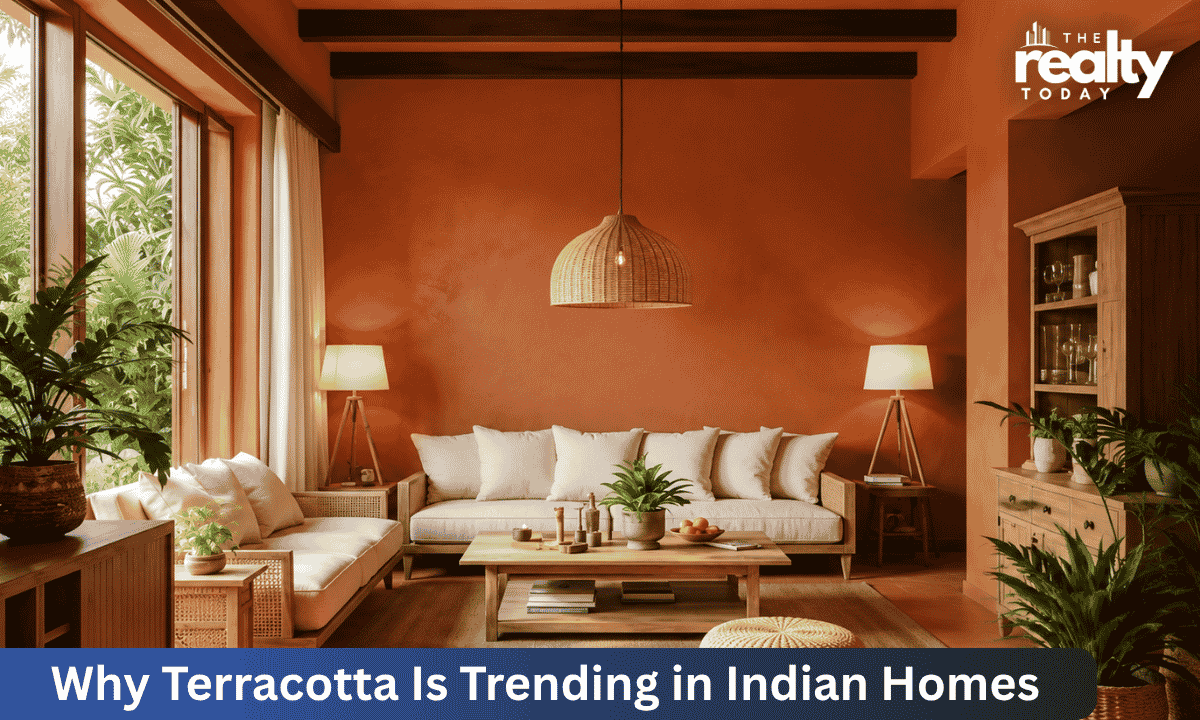
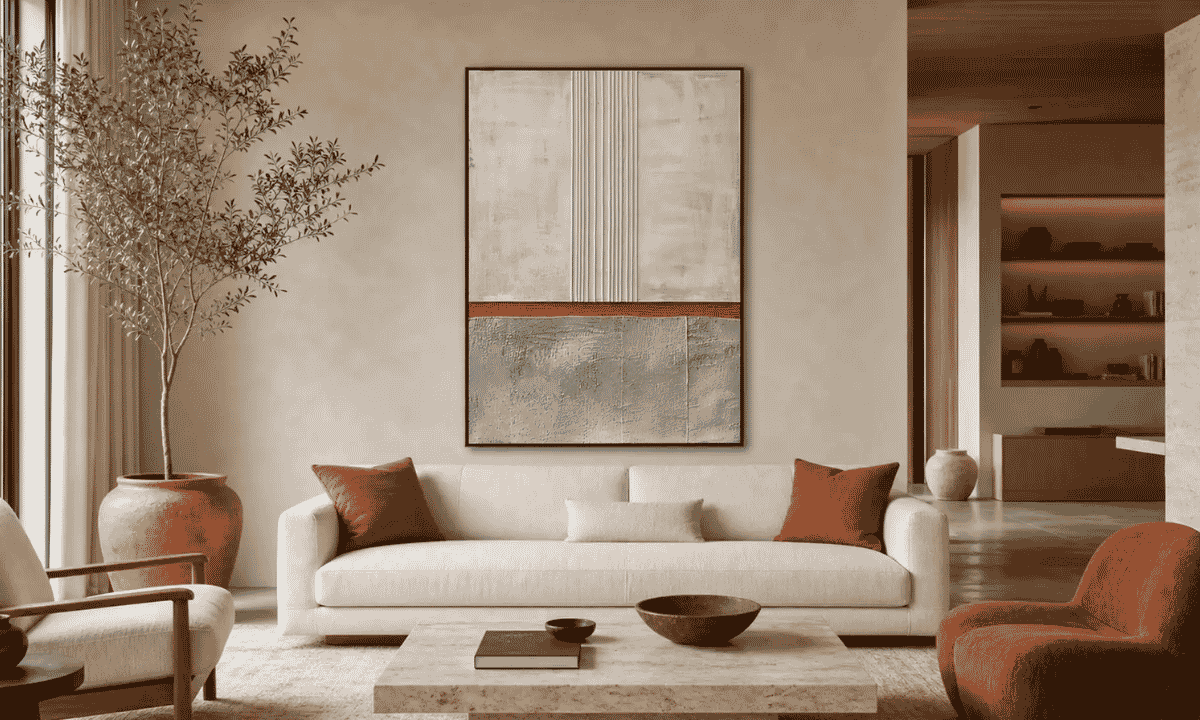
Terracotta works across almost every part of a home. It can appear as a wall colour, a tiled surface, a sofa fabric, a cushion, a ceramic vase, or even a piece of artwork. When paired with cream or off-white walls, natural wood furniture, brass lighting, and cane textures, it creates a space that feels both contemporary and rooted in Indian aesthetics.
One of the biggest advantages of terracotta is that it adds warmth without making a room feel smaller. Many homeowners hesitate to use darker colours in apartments, but terracotta has enough softness to maintain openness while still bringing visual depth.
Small Changes Can Transform A Room
Adopting this trend does not require a complete renovation. A home with white walls and grey furniture can look dramatically different with the addition of terracotta cushions, a rust-toned throw, a clay lamp, or a warm wooden side table.
Furniture and décor brands have responded quickly to this demand. Accent chairs, ottomans, curtains, and ceramic accessories in terracotta and rust shades are now widely marketed for Indian homes because these colours work well in both naturally ventilated spaces and air-conditioned apartments.
The appeal is also practical. Warm tones tend to hide everyday wear better than very light greys, and they create a softer atmosphere in homes that rely heavily on artificial lighting during the evening.
A Return To Indian Material Culture
Source: Design Cafe
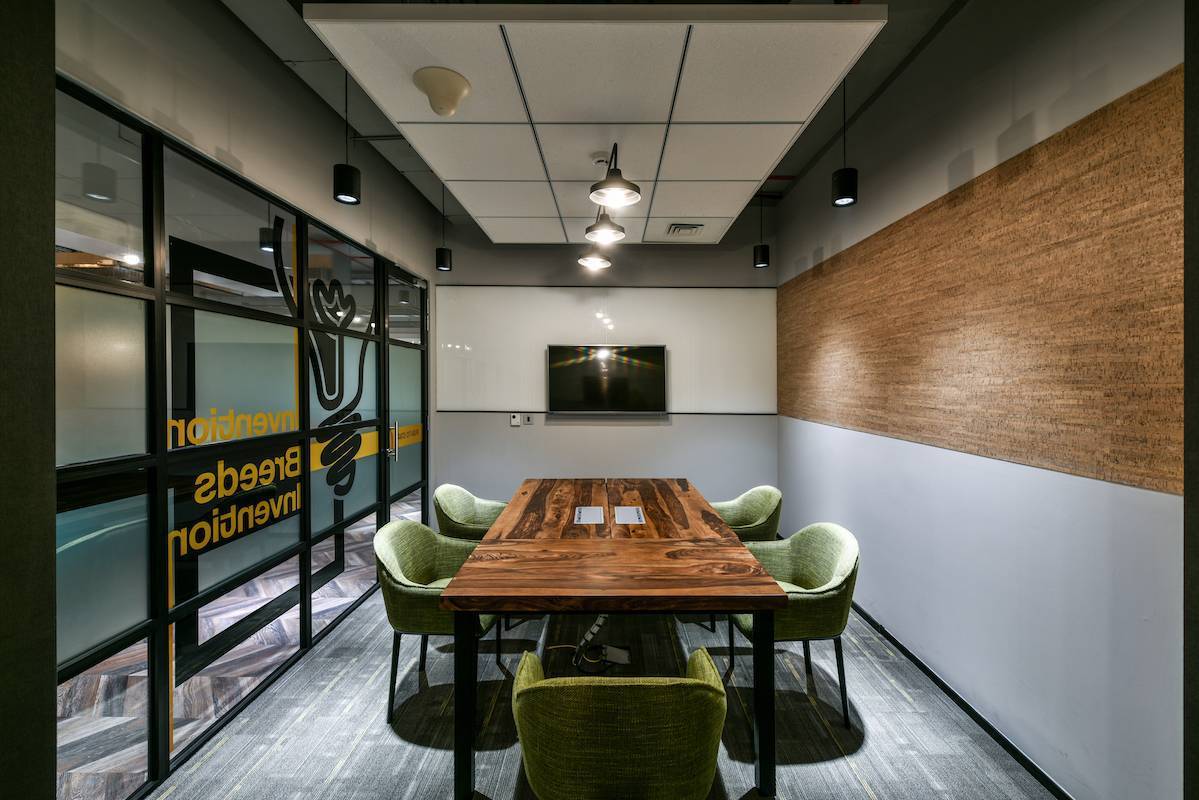
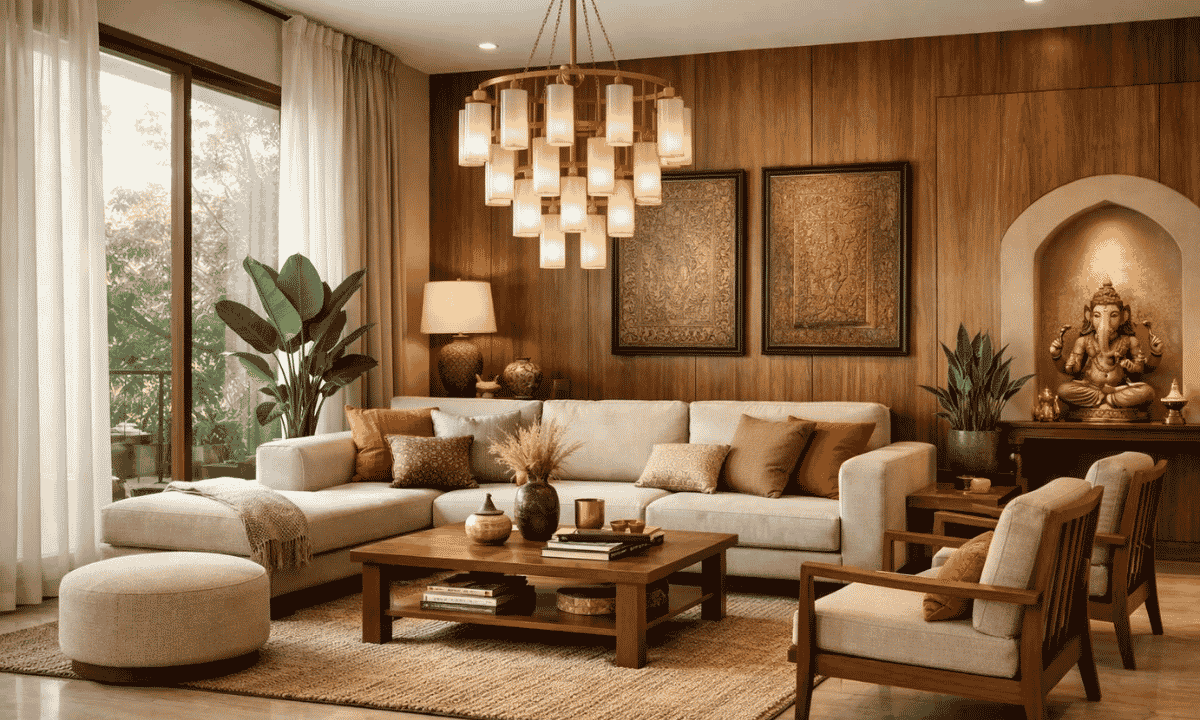
Although terracotta is being presented as a contemporary trend, it is deeply connected to Indian architectural traditions. Clay pots, terracotta tiles, red oxide floors, laterite stone, and earthen walls have been part of Indian homes for generations.
What is happening today is less a new invention and more a reinterpretation of familiar materials through a modern design lens. Homeowners are combining terracotta with cleaner lines, lighter backgrounds, and contemporary furniture, creating spaces that feel current without losing their cultural connection.
This is one reason the trend resonates strongly in Indian cities. The colours feel natural rather than imported, and they adapt easily to compact apartments, independent homes, and even rental spaces.
The Sustainability Connection
The rise of warm earthy interiors is also linked to growing interest in sustainable living. More homeowners are exploring clay-based paints, lime finishes, low-VOC coatings, natural fibres, and handcrafted décor.
Terracotta fits naturally into this movement because it is associated with raw, low-impact, and less synthetic materials. Even when used only as a colour reference rather than actual clay, it signals a preference for textures and finishes that feel more organic than glossy or highly processed surfaces.
How To Use Terracotta Successfully
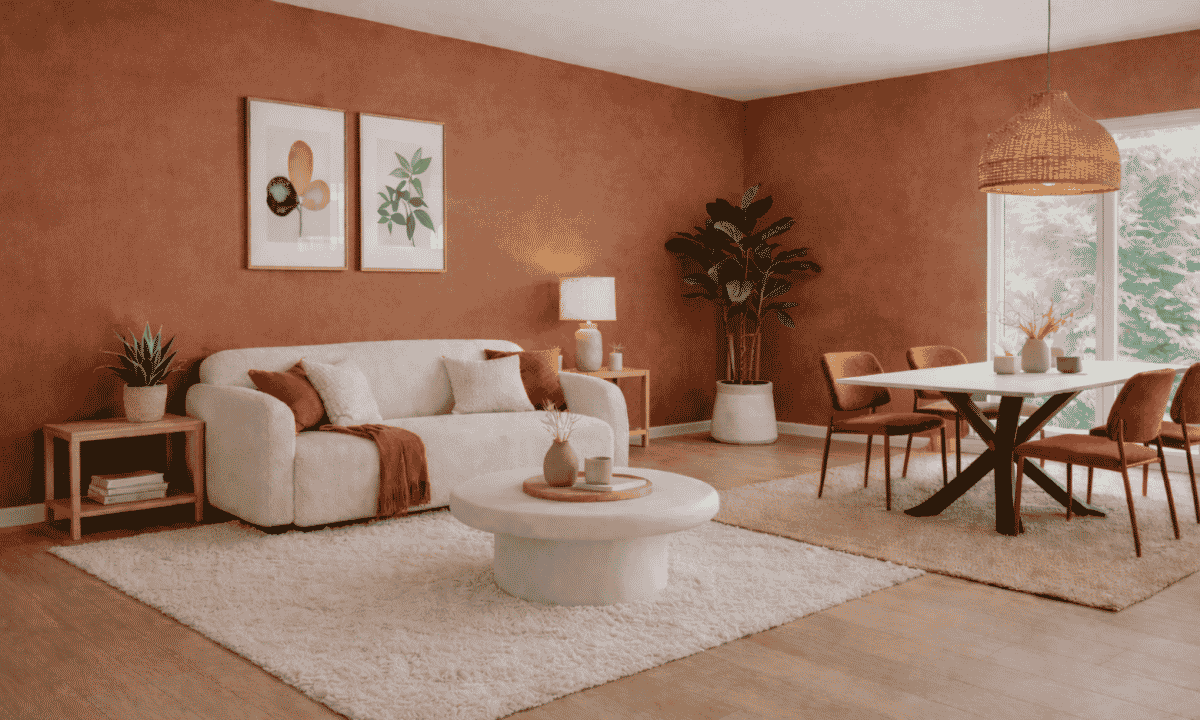
The easiest way to begin is with accents. A terracotta cushion on a grey or beige sofa, a rust-toned bedspread, or a set of clay vases can introduce warmth without commitment. If you want a stronger effect, choose one feature wall in a muted clay or terracotta shade and keep the remaining walls neutral.
Source: Kichechef
For most homes, restraint works better than excess. Terracotta should be the hero colour, supported by quieter neutrals such as cream, ivory, beige, or soft taupe. Olive green and dusty mustard are among the strongest complementary accents.
Where To Start
The living room is usually the best starting point because it receives the most use and creates the first impression for visitors. A single terracotta armchair, an accent wall, or a combination of cushions and ceramics is often enough to change the mood of the entire space.
In bedrooms, softer rust and clay tones work particularly well through textiles, headboards, or curtains. Renters can experiment with removable wallpaper, fabric panels, or decorative accessories instead of paint.
Budget is not a barrier to this trend. Cushions, pottery, and lighting can create noticeable impact at a relatively low cost, while feature walls and furniture pieces become longer-term investments.
The Bottom Line
Grey is not disappearing overnight, and it will continue to have a place in modern interiors. What is changing is its role. It is no longer the automatic default for every room and every surface.
Terracotta and other warm earthy tones are gaining ground because they make homes feel more human, more connected to Indian materials and light, and more comfortable to live in every day. In a time when homeowners are looking for spaces that support both aesthetics and wellbeing, warmth is replacing cool perfection. For anyone planning to refresh a room or renovate a home in 2026, terracotta is not just a colour trend—it is a shift in the way Indian homes want to feel.