
If you had to pick one segment of Indian real estate that has quietly had the best 18 months, it's this one. Not affordable housing. Not the ultra-luxury ₹10 crore-plus tier that makes the press releases. The ₹2-5 crore range is too expensive to be called mid-segment, not flashy enough to make headlines but it is the one performing. And the reasons are more specific than most market commentary acknowledges.
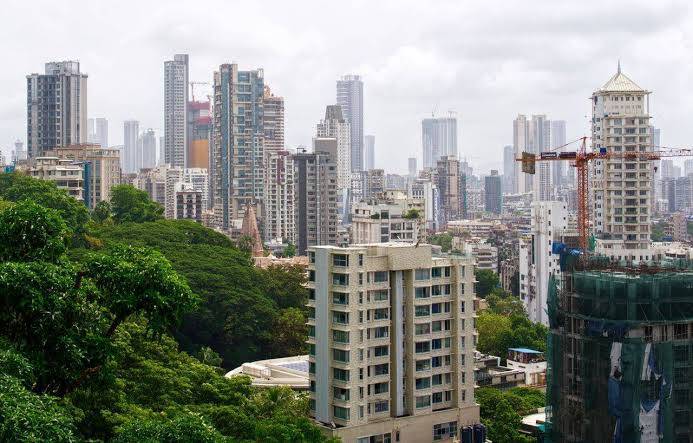
Sales volumes in this bracket have held up through interest rate pressure and a broader slowdown in residential launches. In Gurgaon and Bengaluru, the ₹2-5 crore ticket size has consistently outsold both the segments below and above it through FY25-26. That's not a market anomaly. There are specific structural reasons this is happening.
The buyer here is different now
The person buying a ₹3 crore home today is not the same buyer from 2019. Back then, a lot of that demand was investors then people parking money and hoping prices go up. Today’s buyer wants to live there. They are usually in tech or financial services. They have been renting for years, watched their income grow, and finally have both the salary stability and down payment to stop renting. They are buying because they need somewhere to live ,not because they expect to flip it in three years.
This distinction matters more than it sounds. End-user demand doesn't evaporate when the market gets uncertain. These buyers aren't waiting for the perfect entry point. They need a home. That steady, need-based demand is what has kept transaction volumes in this bracket consistent when other parts of the market softened.
The loan and tax structure works in its favour
The ₹2-5 crore range sits in an unusual, sweet spot within India's home loan and tax structure. A buyer putting 20% down on a ₹3 crore apartment is borrowing ₹2.4 crore. For a dual-income household earning ₹30-40 lakh annually, that's a manageable EMI at a 15-20 year tenure. It is a stretch but it's a stretch people are willing to make for a home they want to live in long-term.
Compare this to the ₹8-12 crore segment where most salaried buyers simply can’t get a loan that size without stretching dangerously. And the sub-₹1 crore segment has its own problems like limited good projects, quality issues, and location compromises. The ₹2-5 crore range is the one where the loan works, the project quality is decent, and you don’t need to be lucky to make it happen.
For last 4-5 years, the ₹2-5 crore buyer was ignored. Developers were either building cheap affordable housing or chasing ultra-luxury margins. The middle segment got whatever was left in average locations with nothing special to offer.
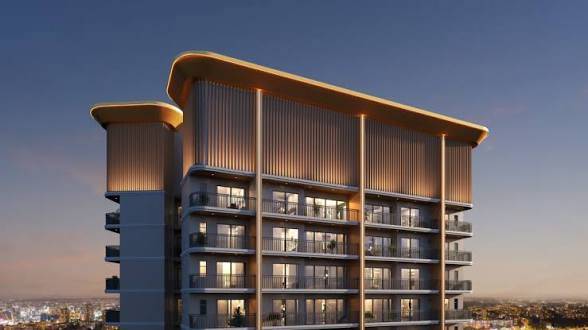
That has changed. In Gurgaon and Bengaluru, buyers in this bracket now have real choices. Better layouts, actual green spaces, developers who have a track record of delivering on time. What you get for ₹3 crore today is genuinely better than what ₹3 crore bought you five years ago.
Buyers in this bracket are also doing more independent research before walking into a site visit. Platforms like Luxury Roof have made it easier to compare options across locations and developers ,shortlisting projects on carpet area, location, configuration and developer track record before the first call to a broker. That kind of informed buyer behaviour is new to this segment, and it is raising the bar for what developers need to deliver.
The post-pandemic upgrade wave isn't done yet
Post-pandemic, developers raised prices sharply and some of that ran ahead of what the market could absorb. Prices have since moderated in parts of Gurgaon and Bengaluru, which has brought more genuine buyers back to the table. People who were priced out in 2022-23 are now looking again.
The upgrade wave from those years has not fully run its course either. People who spent two years working from a 2BHK they outgrew are still moving up. Young couples who held off during the uncertainty of 2020-21 are now ready to commit. The demand is real; it is just coming from a more grounded buyer than before.
Will this hold? Honest assessment
But at the city and national level, the ₹2-5 crore segment remains the most fundamentally sound story in Indian residential real estate. Strong end-user demand, improving supply quality, and workable financing make it structurally resilient in a way most other segments are not right now.