
According to a survey, 62% of homebuyers are dissatisfied with the options available in the affordable housing category. This discontent arises from the lack of access to everyday conveniences (for example, healthcare and recreational facilities), smaller unit sizes, ordinary or poor design, and substandard construction quality. At the same time, premium and luxury housing have been dominating both new supply and sales value in India. What do these parallel yet contrasting trends indicate? Homebuyers are choosing homes based on how their daily routines will unfold and what living there will feel like. This quest for the emotional return on investment (ROI) from a home does not mean buyers are abandoning rational considerations such as price or location. Rather, they are also focusing on how a home improves their quality of life.
Connectivity Takes Precedence
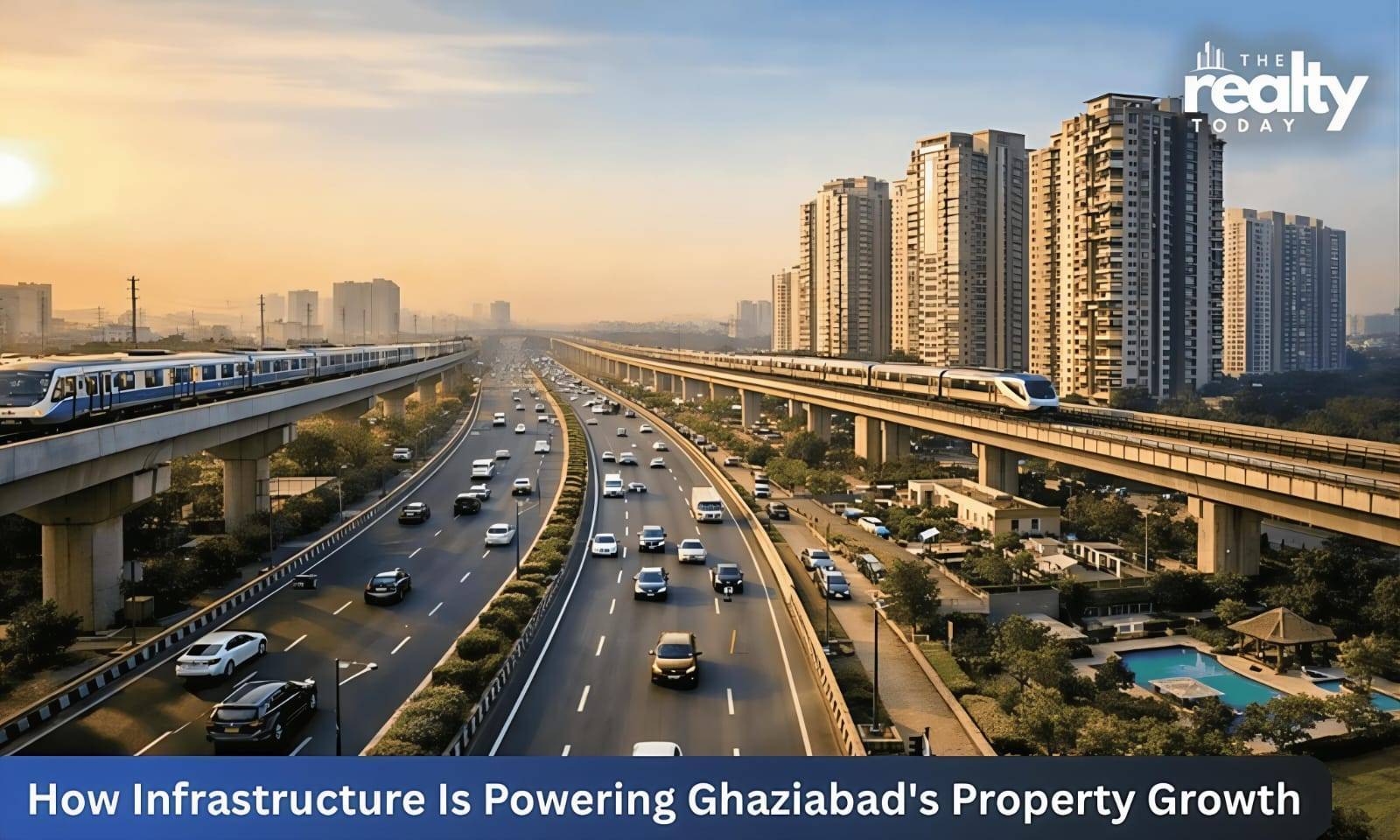
Hours of commuting before and after office hours can exhaust anyone sooner or later. Several studies have shown that commuting influences one’s emotional and mental state not merely because of the distance travelled, but because of the cumulative stress associated with the daily journey. Prolonged exposure to traffic congestion, unpredictable travel times, noise, overcrowding, and a lack of control during commutes can trigger psychological and physical stress responses. For this reason, homebuyers now prefer well-connected locations. Metro connectivity, road connectivity, and even proximity to the airport are now important factors in the homebuying process. Because it's not just about going to the office, wherever one has to go, nobody wants to reach their destination feeling stressed and tired. That is why, across cities such as Bengaluru, Delhi, and Mumbai, micro-markets with shorter travel times, enabled by metro rail access, road networks, and proximity to major employment hubs, are being favoured by homebuyers.
Nature and Wellness in Focus
Reduced stress and anxiety, a greater sense of calm, improved cognitive function through reduced mental overload, and relief from physical and emotional fatigue; these are some of the proven benefits of nature immersion. However, city life often leaves little room for spending time in nature. And after a long day at work, it is not always feasible to visit a park within or near one's locality. This, in turn, is prompting the new-age homebuyer to choose homes that are set amidst nature. They are preferring localities with denser green cover and lower density, and residential communities with biophilic features, landscaped gardens, walking trails, and open green spaces. Similarly, wellness has also taken centre stage on homebuyers' radar, and that is another reason why the preference for open green spaces is on the rise. For example, walking trails and landscaped gardens help people stay physically active. Likewise, amenities such as clubhouses encourage recreation and social interaction, building a sense of community for residents. These everyday experiences support mental well-being and emotional health.
Emphasis on Technology and Sustainability
Millennials and Gen Z are among the leading demographic groups contributing to homebuying in India. These cohorts comprise digitally savvy natives who seek homes where technology complements everyday life. But how are technology and emotional ROI connected? First, smart features such as smart meters and app-based energy management help save on electricity bills, which, in the long term, contribute to financial efficiency and prevent sudden shocks from inflated bills, especially during summer. Second, sensor-based lighting, temperature control, automated curtains, and noise-blocking features facilitate a good night's sleep and mood regulation.
Third, CCTV surveillance, smart fire detection systems, video door phones, and digital door locks ensure peace of mind in two ways. First, residents are assured that their families are safe. Second, one can keep an eye on the home even when they are away for a few days.
Simultaneously, sustainability has also become a decisive factor for homebuyers. Resultantly, certified green homes, with a focus on energy efficiency inside the home and at the building level, are in demand. Besides, solar energy harvesting, rainwater harvesting, waste management, and dedicated EV charging spaces are also finding a place on homebuyers’ checklists. Combined, these technologies cut down on everyday nuisances, increase operational efficiency, and give residents more control over their living experience, thereby increasing a home's emotional return on investment.
Personalisation and Prestige
People no longer wish to buy a home only to have a roof over their heads or a tangible asset in their name. Right from the colour of the walls to the type of furniture, and from the kitchen design to space allocation for different purposes, people want the signature of their personal style on every aspect. The upswing in customisable homes, themed residential developments, homes with exclusive designs, limited-edition homes, etc., stems from these trends. For residents, a home that reflects their aspirations and way of life is emotionally resonant, a feeling that extends beyond ownership. By the same token, who they buy the house from also matters. Homebuyers are now getting selective and choosing to buy homes only from reputable developers. A good delivery track record and accountability still come first, but the overall name of the developer in the market also adds to the prestige.
Conclusion