

As India’s real estate market enters a new growth phase in 2026, developers are re-evaluating what homebuyers truly want—and what the next cycle will reward. The mid-income segment is regaining momentum, demand is shifting toward practical apartment sizes, and the emphasis is moving from amenity overload to meaningful community living. As interest rates stabilise and end-user confidence returns, the demand pattern is becoming clearer: families want sensibly sized apartments, practical amenities, and neighbourhoods that support a high quality of life without inflating the cost of living.
As buyers refocus on functional living, the value of a well-planned 1,200 sq ft home has never been clearer. Families now prefer layouts that maximise every inch—homes that feel spacious without being excessive. This shift is pushing developers to rethink design fundamentals: smarter circulation, multi-use areas, and floor plans that prioritise everyday comfort over architectural theatrics. In 2026, the winning homes will be those that balance compact efficiency with a sense of openness, giving residents the flexibility to live, work, and unwind within thoughtfully crafted spaces.
As per the India Real Estate Report FY 2025-26: Trends, Insights & Forecasts report by Grant Thornton, India’s residential market maintained its upward momentum in FY2024-25, though trends varied by price segment. Affordable housing saw mixed results—sales fell 9% YOY in Q1 2025, but unsold inventory reduced by 19%, indicating gradual absorption. Growth remained restricted due to limited new launches and a developer shift toward premium housing. Despite affordability challenges, steady end-user demand helped clear inventory.
This shift is prompting developers to be far more intentional about what they include within a project. Instead of sprawling amenity lists that inflate maintenance costs, the focus is moving toward facilities that genuinely enhance daily living and encourage community interaction. Homebuyers want spaces they will actually use—places to relax, unwind, socialise, or simply enjoy fresh air. By prioritising functionality over flash, developers can create communities that feel balanced, well-maintained, and aligned with the lifestyle expectations of today’s mid-income families.
Moreover, maintaining value will require a disciplined approach to both design and delivery. Developers who stay focused on essentials, optimise their construction timelines, and adopt technologies that reduce waste will be better positioned to offer competitive pricing. The goal is to create homes that meet real needs without burdening buyers with unnecessary cost layers. In a market where affordability and quality must coexist, the most successful projects in 2026 will be those that strike the right balance between thoughtful engineering, cost control, and long-term livability.
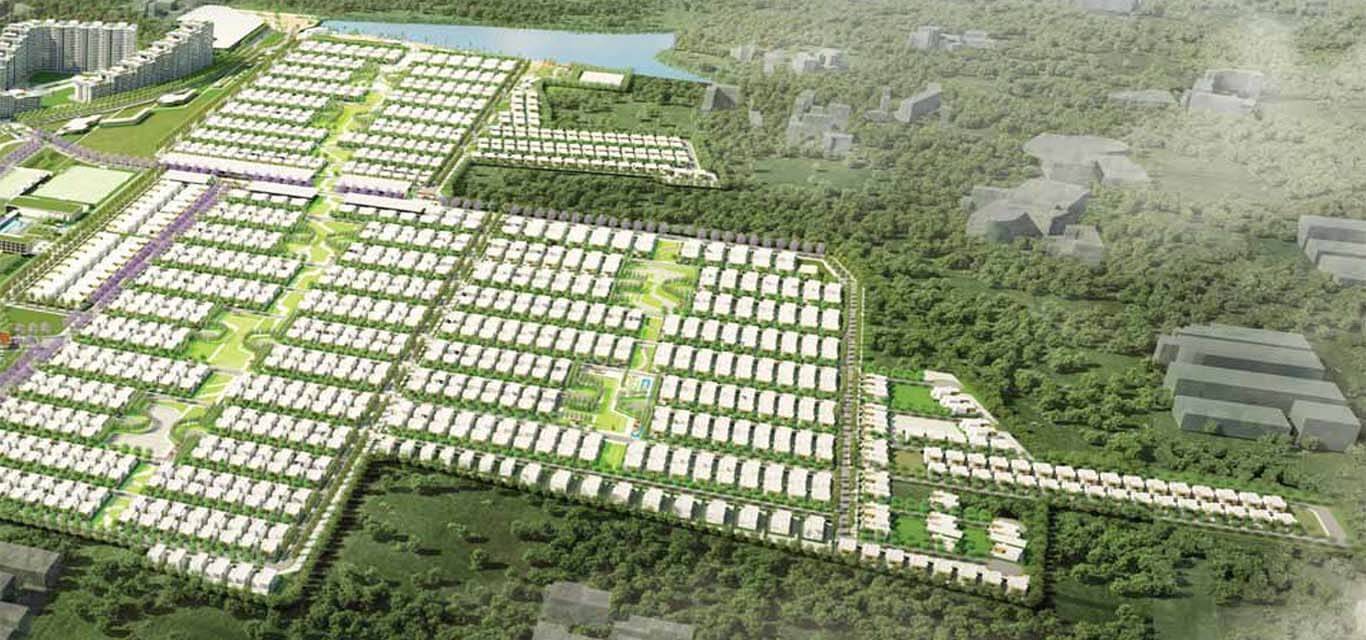
This broader community lens is reshaping how developers plan their future projects. Instead of viewing social infrastructure as an external factor, many are now treating it as an integral part of the homebuying experience. When daily conveniences, mobility options, and essential services are woven seamlessly into the neighbourhood fabric, the entire living environment becomes more efficient and fulfilling. For mid-income families, especially, a well-connected, self-sufficient ecosystem can significantly elevate quality of life while keeping overall expenses in check. In 2026, developers who champion this holistic, neighbourhood-first approach will set a new benchmark for value-driven urban living.
Thus, in many ways, 2026 will be a return to fundamentals, where success is defined not by how much is built, but by how meaningfully it serves the needs of homebuyers. The market is rewarding developers who can balance aspiration with affordability, scale with sensitivity, and innovation with practicality. Those who prioritise long-term livability over short-lived trends will be best positioned to capture sustained demand. Ultimately, the next phase of growth belongs to creators of communities—developers who recognise that real estate is no longer just about housing people, but about enabling better, smarter, and more sustainable ways of living.
As buyers refocus on functional living, the value of a well-planned 1,200 sq ft home has never been clearer. Families now prefer layouts that maximise every inch—homes that feel spacious without being excessive. This shift is pushing developers to rethink design fundamentals: smarter circulation, multi-use areas, and floor plans that prioritise everyday comfort over architectural theatrics. In 2026, the winning homes will be those that balance compact efficiency with a sense of openness, giving residents the flexibility to live, work, and unwind within thoughtfully crafted spaces.
As per the India Real Estate Report FY 2025-26: Trends, Insights & Forecasts report by Grant Thornton, India’s residential market maintained its upward momentum in FY2024-25, though trends varied by price segment. Affordable housing saw mixed results—sales fell 9% YOY in Q1 2025, but unsold inventory reduced by 19%, indicating gradual absorption. Growth remained restricted due to limited new launches and a developer shift toward premium housing. Despite affordability challenges, steady end-user demand helped clear inventory.
This shift is prompting developers to be far more intentional about what they include within a project. Instead of sprawling amenity lists that inflate maintenance costs, the focus is moving toward facilities that genuinely enhance daily living and encourage community interaction. Homebuyers want spaces they will actually use—places to relax, unwind, socialise, or simply enjoy fresh air. By prioritising functionality over flash, developers can create communities that feel balanced, well-maintained, and aligned with the lifestyle expectations of today’s mid-income families.
Moreover, maintaining value will require a disciplined approach to both design and delivery. Developers who stay focused on essentials, optimise their construction timelines, and adopt technologies that reduce waste will be better positioned to offer competitive pricing. The goal is to create homes that meet real needs without burdening buyers with unnecessary cost layers. In a market where affordability and quality must coexist, the most successful projects in 2026 will be those that strike the right balance between thoughtful engineering, cost control, and long-term livability.
This broader community lens is reshaping how developers plan their future projects. Instead of viewing social infrastructure as an external factor, many are now treating it as an integral part of the homebuying experience. When daily conveniences, mobility options, and essential services are woven seamlessly into the neighbourhood fabric, the entire living environment becomes more efficient and fulfilling. For mid-income families, especially, a well-connected, self-sufficient ecosystem can significantly elevate quality of life while keeping overall expenses in check. In 2026, developers who champion this holistic, neighbourhood-first approach will set a new benchmark for value-driven urban living.
Thus, in many ways, 2026 will be a return to fundamentals, where success is defined not by how much is built, but by how meaningfully it serves the needs of homebuyers. The market is rewarding developers who can balance aspiration with affordability, scale with sensitivity, and innovation with practicality. Those who prioritise long-term livability over short-lived trends will be best positioned to capture sustained demand. Ultimately, the next phase of growth belongs to creators of communities—developers who recognise that real estate is no longer just about housing people, but about enabling better, smarter, and more sustainable ways of living.






.png)