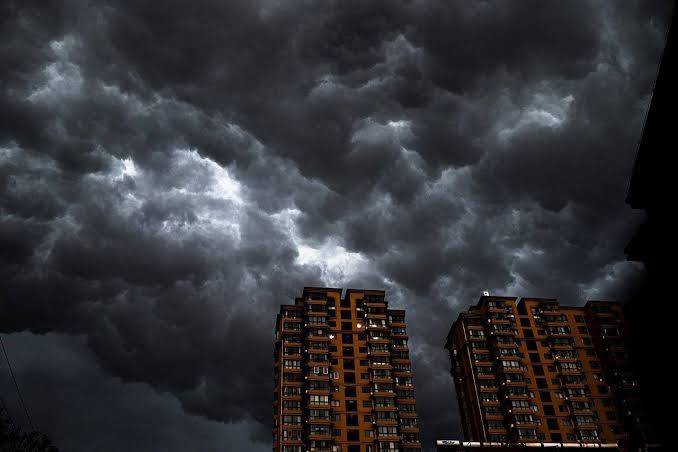
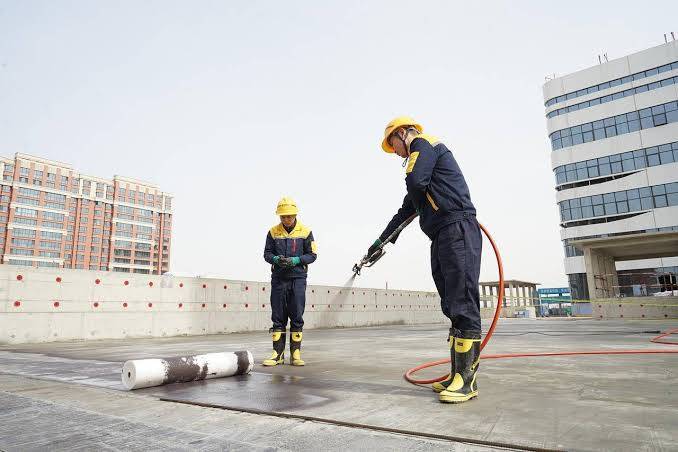
Indian monsoons put enormous pressure on houses and structures. The monsoon, with a heavy pour of rain, long moisture periods, changes in temperature, and a high level of humidity, creates a situation conducive to accelerating water penetration, structural damage, corrosion of reinforcement, damp walls, roof leakages, and fungal growth. Built structures, whether at coastal regions, rainfall zones and flood-prone areas also have to deal with the most difficult situations.
Because of this, we have to understand that a watertight coating of the building is not only a finishing step but also one of the design and upkeep components. Factors that influence the selection of a good waterproofing material are mainly the position of application, the amount of building movement, the kind of environmental conditions that the material will be subjected to, the substrate and service life to be expected of the material. For example, the waterproofer that works so nicely on a flat, may not be suitable for a basement.
Why Indian Monsoons Pose a Threat to Buildings?
The monsoon season in India is not just a torrent of water but an amalgam of multiple harmful environmental factors that can severely affect building structures. While other parts of the world may be blessed with lighter and more even rainfall that helps plants grow, the Indian monsoon is a harsh occurrence that brings:
- Heavy rain over prolonged time periods
- Water puddles that continuously accumulate on open spaces
- High levels of humidity
- Repeated cycles of wetting and drying
- Humid cold winter vs warm summer
- Exposure to ultra-violet rays after the cloud has cleared and the sky has turned blue
- Facades of buildings will have to withstand not just rainfall but also that caused by the wind
- Changes in size and position of building materials due to the weather cycles
A tiny crack will suffice and a small construction gap will be an issue enough to allow water to get inside and, after a while, one might be facing:
- Muggy damp walls
- Ceiling leakages
- Degradation of concrete
- Exposure of reinforced steel bars (due to the breakage of concrete)
- Paint peeling
- Appearance of mold and mildew
- Poor indoor air quality
- Damage to electrical works and installations
A well-waterproofing system should be able to combat and endure the different monsoonal and post-monsoonal climate challenges for which it's been put together with materials and technical details that are best able to handle such adversative weather conditions over the years.
Types of Waterproofing Materials
Cementitious Waterproofing
Cementitious Waterproofing Being simple to apply and well suited for concrete structures Cementitious waterproofing is still an extremely popular type of waterproofing system used in India. These products contain cement and graded fillers polymers performance-enhancing additives, which when combined, form an impenetrable layer.
Generally, these kinds are used on water tanks, basements, lift pits, toilets, balconies, foundations, and retaining walls. The flexibility and toughness of polymer-modified cement coatings make them far superior products over traditional cement-based coatings, and as a result, they are ideal for rainy season conditions as well.
Acrylic Waterproof Coatings
Acrylic Waterproof Coatings On terraces and roofs, acrylic waterproof coatings form a continuous waterproof cover which can be very efficient once cured. Due to their flexibility, they allow a little movement without compromising the waterproofing.
UV resistance is one of the major features of acrylic coatings. Besides, they keep the surfaces cooler by reflecting part of the sun heat. This makes acrylics suitable for terraces and roofs, parapet and exterior walls where there is moderate water contact and the drainage system is sufficient. Polyurethane (PU) Waterproofing
Polyurethane (PU) Waterproofing
PU waterproofing systems offer very good protection from the elements for exposed cement surfaces. After curing, such coatings give the surface a very thin but resistant film that can stretch and bridge cracks. It also prevents constant watering from rain. These coatings are recommended for areas like pavilion terrace balcony, parking area, industrial roofs, and places where there is a lot of water. Because of their strong bond with the surface, resistance to wearing away, and adaptability, these coatings are often the first choice for high demanding jobs
Polyurea Waterproofing Membrane
Polyurea Waterproofing Polyurea is an extremely water resistant and highly durable membrane material applied on a substrate by specialized spray equipment.
Because of its very high chemical resistance, abrasion, resistance and service life, polyurea is most suitable for industrial bridges, podium slabs and any area exposed to harsh environments, such as water treatment plants, parking structures, and secondary containment areas. Polyurea is used to create durable surface protection against various damaging environmental conditions in infrastructure projects
Bituminous Waterproofing Membranes
Bituminous waterproofing is a method that involves applying a membrane layer (usually bitumen based) that is waterproof to the surface. This has been proven to provide an effective waterproof solution for residential and commercial buildings for decades. The membranes come torch-applied and self-adhesive, both being effective against water infiltration.
They have also been found to be suitable on foundations basements roof slabs, retaining walls, podium decks, etc. It helps to get the membranes right for installation and treatment of joints to have a good waterproof layer for a long time.
APP and SBS Modified Membranes
Modified bitumen membranes are more flexible, and more durable than the normal bituminous membranes. APP (Atactic Polypropylene) modified membranes are excellent in hot weather conditions and that means they can be the material of choice for roofs where a lot of sunlight is received and heat generated in a country like India.
SBS (Styrene-Butadiene-Styrene) modified membranes are extremely flexible and So suited for those buildings that undergo thermal expansion or in a cold weather area. Both membrane types provide a good level of waterproofing as long as the application is done properly.
Liquid-Applied Waterproofing Membranes
Liquid-applied waterproofing membrane is a type of waterproofing system which is a continuous sheet and does not have a visible joint as in rolled sheet membranes. Beyond not having any joints through which water may leak, they can also be applied in such a way that they perfectly fit even the most complex shapes of the roof or a wall.
The system is offered in several types like polyurethane acrylic hybrid polymer, modified bitumen, and finally polyurea coatings. Because there is no possibility of leakage through joints as in rolled sheets, waterproofing the joints is reduced to a minimal effort.
Crystalline Waterproofing
Crystalline waterproofing is a type of chemical treatment used on the surface layer. When it is sprayed/rolled/puddled on a surface, it starts absorbing water gradually and then chemical reactions begin inside the surface to form crystals.
These impermeable crystals permanently occupy water channels (such as capillary pores and microcracks) of the hardened concrete to stop water passing through by any means except evaporation. This type of waterproofing is the most effective method for underground structures since the water pressure is highest at such depths.
HDPE Waterproofing Membranes
High-Density Polyethylene (HDPE) membranes are one of the types of flexible waterproof lining materials and are used in civil engineering, road and railway construction, tunnel, and water-retaining structures for waterproof and leakproof purposes. Due to In reality HDPE materials are very resistant to environmental damage from chemicals, oils acids, and alkalis, which are typical contaminants at construction sites, it makes them excellent materials for use in such a hostile environment.
HDPE membranes are usually placed in basements, tunnels, metro projects, foundations, or water-retaining structures where the level of waterproofing required is the highest.
Bentonite Waterproofing Systems
Bentonite waterproofing systems consist of sodium bentonite clay particles that were once naturally formed through mineral changes in volcanic tuff or ash but now are mostly produced by industrial methods. These particles are encased in layers of textile geosynthetic (nonwoven geotextiles) to form a composite material that looks and feels like an ordinary fabric. It is known that when in a moist environment bentonite swells about 10 times its original volume and in dry condition it retains most of it.
We have to note that bentonite waterproofing membrane is not suitable in areas where high ground water pressure is combined with aggressive water. These systems are very effective in confined spaces like retaining walls, basement slabs,
Waterproofing Admixtures
Incorporation of waterproofing admixtures in concrete is one way of reducing its penetrability to water. A good waterproofing admixture acts like a bridge filling or sealing the capillary pores in concrete and at the same time making the concrete denser and more resistant to water penetration.
Yet, waterproofing admixtures alone are not a good solution to waterproof a structure that is constantly exposed to very high water pressure. Such structures still need to be externally waterproofed in such a way that the water does not get a chance to penetrate into the concrete at all.
Joint Sealants
Movement joints between two slabs or elements are the weak link lining of buildings. So, the proper seal of such joints is an essential part of a system. Joint sealants have to withstand movement and pressure that is caused by ground and other sources of water.
Some types of waterproof sealants are polyurethane silicone hybrid polymer, and polysulfide. These are mainly used in areas with high exposure to water like expansion joints, construction joints, window perimeters, facade joints, and service penetrations. Yet, the correct sealant is not only dependent on these factors; it is also important that the application of sealant must be performed so that it will not lead to any water intrusion.
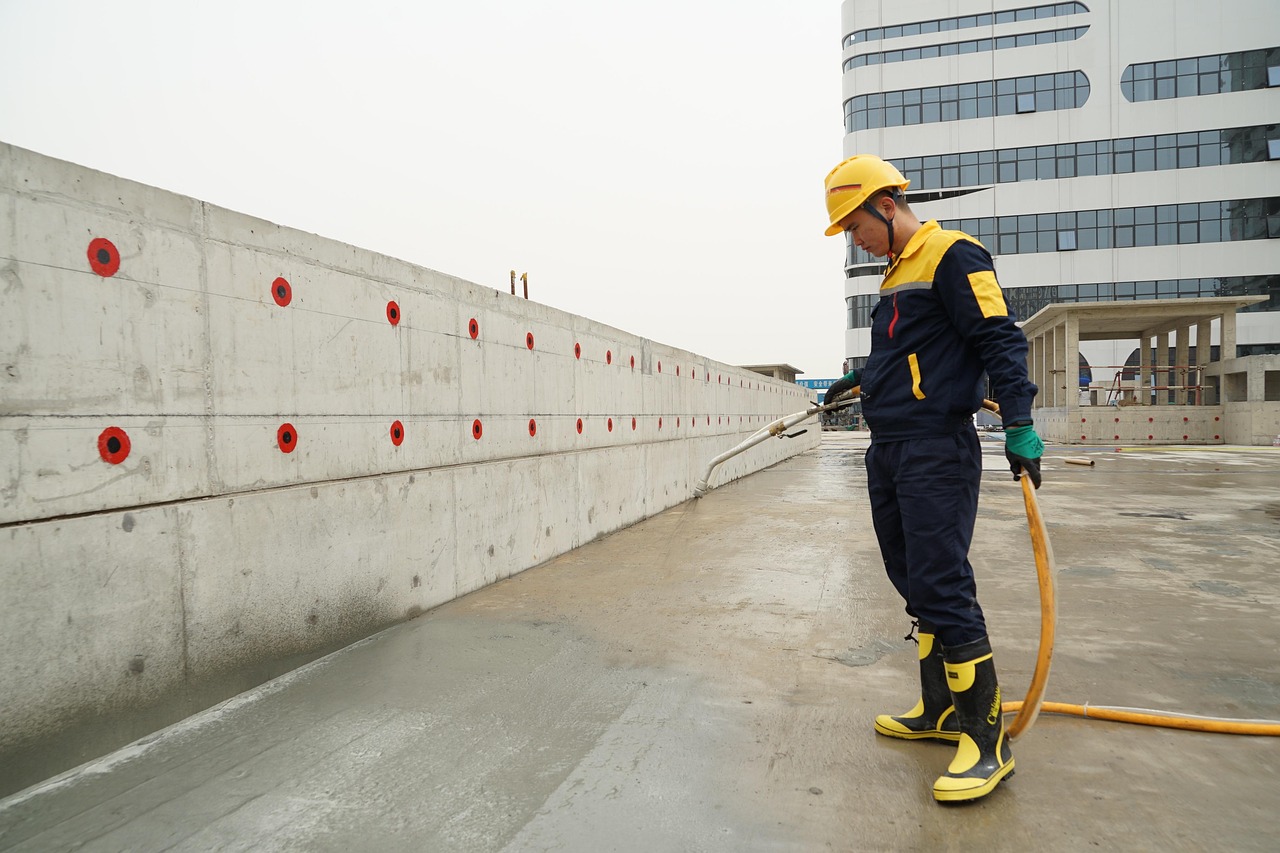
Common Reasons for Waterproofing Failure in Monsoon Season
Common reasons include:
- The ground wasn't properly prepared for sealing
- Incorrect pitch of the terrace
- Standing water
- Sealing over wet or uncleaned surfaces
- The application is too thick/thin
- Pipework and drains weren't well finished
- Faults in the surface were ignored before waterproofing was started
- Places lacking waterproof overlay
- Not using suitable combination materials
- Skip on keeping it clean and running
- Both the quality of the waterproofing material and of the work done is very crucial.
How to Select the Right Waterproofing Material as per Application areas?
In choosing waterproofing materials, one has to consider aspects like application area, exposure conditions, type of substrate, expected structural movement, and service life, not merely going by the cost.
- Terraces: Acrylic coatings, polyurethane coatings, polyurea membranes, and APP-modified bituminous membranes to offer protection to UV, flexibility, and against rain water.
- Basements: cementitious waterproofing, HDPE membranes, bituminous membranes, and crystalline waterproofing that is capable of withstanding groundwater pressure and moisture.
- Water tanks: the use of polymer-modified cementitious coatings and crystalline waterproofing helps in dealing with constant water exposure and reduced concrete permeability.
- Bathrooms and wet areas: the most effective protection is offered by polymer-modified cementitious coatings for the floors and wall finishes and polyurethane waterproofing systems.
- Balcony: for a reliable protection against rain, sunlight, and thermal movement, one may go for acrylic waterproof coatings and polyurethane membranes.
- Podiums and parking decks: use of polyurethane, polyurea and APP-modified membranes for waterproofing, abrasion resistant and durable under traffic loads.
- Retaining walls: bituminous membranes, HDPE membranes, and bentonite waterproofing systems will provide a good solution for a prevention of groundwater from the soil side.
- Foundations: long-term protection against below-ground water ingress is what crystalline waterproofing, HDPE membranes and bentonite systems provide.
Right waterproofing material, good surface preparation, and quality installation of each application will lead to a long-lasting watertight solution, and enhance building protection.
India Waterproofing Solutions Market Potential
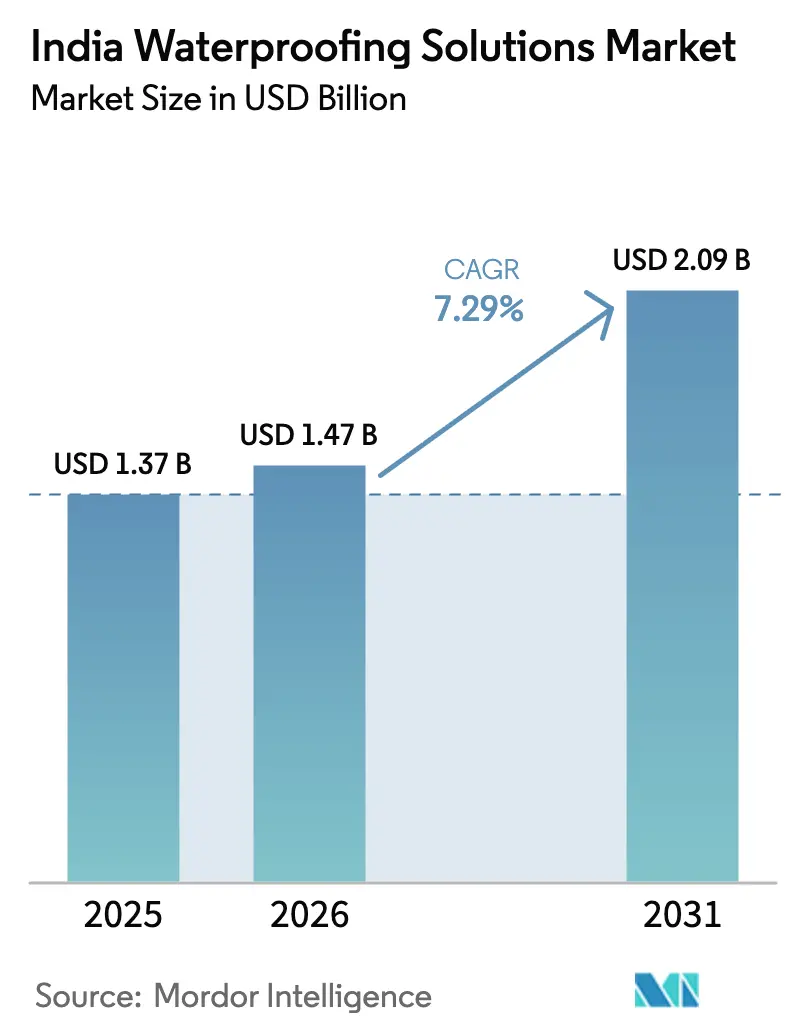
As per Mordor Intelligence Report, the India Waterproofing Solutions Market size is projected to be USD 1.37 billion in 2025, USD 1.47 billion in 2026, and reach USD 2.09 billion by 2031, growing at a CAGR of 7.29% from 2026 to 2031.
Rising affordable-housing completions, metro-rail tunnelling, and stricter Bureau of Indian Standards (BIS) codes are accelerating product substitution away from traditional lime-concrete finishes toward polymer-modified membranes and low-VOC chemistries.
Major Waterproofing Brands in India
Several manufacturers offer waterproofing products for residential, commercial, industrial, and infrastructure projects. Some of the major brands include:
- Dr. Fixit (Pidilite Industries)
- Sika India
- Fosroc Chemicals India
- Asian Paints SmartCare
- Berger Paints HomeShield
- CICO Technologies Ltd.
- UltraTech Cement
- Ardex Endura
- STP Limited (Shalimar Tar Products)
- Saint-Gobain Weber
- MYK Arment
- Kryton Buildmat
- Sunanda Speciality Coatings
- MAPEI India
- Bostik India
- Choksey Chemicals
- Perma Construction Aids
- Redwop Chemicals
- Elephant Shield
- MYK LATICRETE etc.
Future Waterproofing Developments
The waterproofing market has grown to include materials that are more durable, environmentally friendly, and easier to apply. Below are the emerging topics that are shaping the industry:
- VOC Free or low VOC Paints and Coatings
- Polymer Hybrid Waterproofing Systems
- Membranes that are Applied by Spraying Without Seams
- Waterproofing Technologies with Self-Healing Properties
- Crystal-type additives that are High-performance
- Digital Devices Measuring Moisture
- All-in-One Waterproofing and Insulation Systems
Not only that, these innovations will most probably lead buildings to perform better and the maintenance of the same to be less expensive.
Conclusion
During Indian monsoons, moisture-proofing materials need to be used, which can resist humidity for a long period of time, temperature variations, structural movements, and also UV radiation rays. A single material can't work effectively, That's why the appropriate application of the waterproofing material should be determined as a building's exposure use conditions of the base material, and anticipated service life. A well-designed waterproofing system apart from helping the construction during monsoons will soon not only safeguard the building against cracks and moisture-related issues and make the construction safer for the occupants but will also help in the betterment of the building's performance over time and the preservation of its value.